

China Labels Inkjet Coding Machine: Essential Features for Modern Labeling Needs
2026-08-17
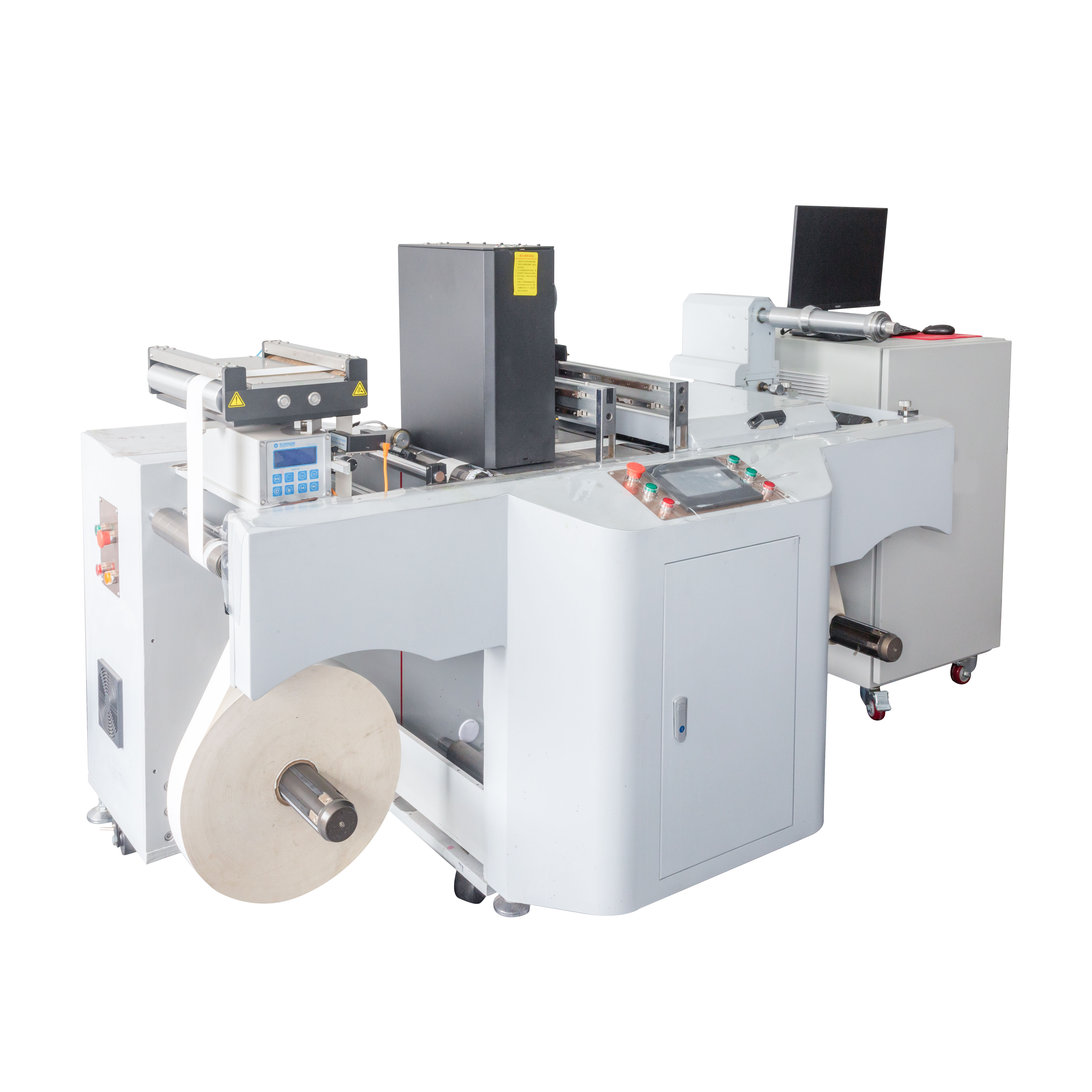
Labeling errors are not just minor annoyances; they can trigger costly recalls or compliance headaches. As production lines speed up and traceability demands tighten, the inkjet coding machine you rely on has to deliver sharp, durable marks every time. This is especially true for labels, where clarity and smudge resistance directly affect downstream logistics. Among the options emerging from China's robust coding technology sector, Danmajet stands out by focusing on practical features that modern labeling workflows actually need—not just flashy specs. Here is a closer look at what separates a truly essential label inkjet coder from the rest.
Precision Coding That Keeps Legible Codes on High-Speed Lines
On high-speed packaging lines, codes have a fraction of a second to land cleanly. Even the smallest vibration or timing mismatch turns a crisp batch number into an unreadable smear. Precision coding tackles this by synchronizing printhead movement with line speed, adjusting drop placement microsecond by microsecond so each character holds its shape.
The real test comes with curved surfaces, glossy films, or chilled products where ink adhesion drops. Advanced systems compensate with real-time throw distance monitoring and variable ink viscosity control. The result is a code that stays sharp at 400 packs per minute—no smudging at the edges, no missing dots in a 2D matrix.
Operators notice the difference during audits. Instead of squinting at faded digits or reprinting entire pallets, they get stable, scannable codes shift after shift. That reliability hinges on tighter droplet deflection and laser steering that keeps every mark within a tolerance of a few microns.
Cartridge-Based Ink Delivery That Ends Messy Refills
If you’ve ever had to clean dried ink off your fingers, your desk, or the inside of a drawer, the shift to a cartridge-based system feels like a small liberation. Each sealed cartridge clicks into place without exposing the liquid, so there’s no bottle to tip, no eyedropper to overfill, and no sponge to squeeze until it drips.
Inside, the ink stays isolated from air until the moment it flows through the nib or print head. That keeps the pigment from thickening or crusting around the opening, which is the usual cause of clogs and uneven lines. When the cartridge runs dry, you simply lift it out and snap in a fresh one—there’s no wiping, rinsing, or wrestling with a syringe.
The real payoff is predictability. Instead of guessing how much ink is left or waiting for a refill to settle, you get a clean, consistent flow from the first mark to the last. The only thing you have to handle is writing, drawing, or printing itself.
Clog-Resistant Printheads for Intermittent Production Schedules
Intermittent production schedules create a unique headache for inkjet operations. When a printhead sits idle for hours or days, any residual ink inside the nozzles begins to thicken, dry, or settle out. The result is a partial or full blockage that forces operators to run lengthy purge cycles or even replace the head before the next job can start. This isn't just a maintenance nuisance—it directly eats into the flexibility that short-run and on-demand print shops depend on.
Clog-resistant printheads tackle this by treating idle time as part of the design brief. Instead of relying on frequent manual cleaning, they incorporate materials and geometries that resist ink adhesion on nozzle plates. Some use a non-wetting coating so dried ink flakes off instead of bonding. Others include a slow capillary feed that keeps a micro-film of fresh ink at the nozzle tip, preventing crust formation. A few designs even pulse tiny amounts of ink or solvent through the orifices at set intervals, so the head stays primed without wasting a full cleaning cycle.
The practical payoff shows up most clearly on mixed production lines. A printer with clog-resistant heads can go from a Tuesday afternoon label run to a Thursday morning packaging proof without a 20-minute recovery routine. Operators don't need to keep the machine running or cap the heads manually every night. Over a month of sporadic jobs, that translates into fewer scrapped substrates, less ink lost to purging, and far lower rates of premature head replacement. For any shop that lives on unpredictable order volumes, these heads shift downtime from a scheduled chore into a rare exception.
Fast Format Changes Without Calling a Technician
Updating a label layout used to mean a call to the support desk, a ticket, and a wait that stretched into hours. Now the tools are right there on the screen. Open the format, drag a field to a new spot, adjust the barcode density, or swap in a different logo, and the change is live before the next print job starts.
The system keeps a library of your existing formats, so switching from a shipping label to a product tag doesn't require rebuilding anything. You pick the template, tweak a few values if needed, and save it under a new name. There's no hidden menu, no special login, and no call to IT.
Because the interface handles spacing, alignment, and printer settings in the background, mistakes are less likely. That means you can test a new format on a single label first, then roll it out to all workstations without anyone else getting involved. Production keeps moving while you fine-tune the details.
Durable Cabinets That Handle Washdowns and Dust
Washdown areas chew through ordinary enclosures fast. Moisture, detergents, and flying debris find every weak seam. That is why these cabinets start with 304 or 316 stainless steel, fully welded corners, and a sloped top so water never pools. The continuous gasket sits in a machined channel, not a glued groove, keeping its seal even after thermal cycling.
Dust is just as relentless as spray. A closed-loop cooling system keeps the inside cool without pulling in plant air. Every cable entry uses a liquid-tight cord grip, and the door latch stays flush so grit cannot wedge itself into the handle. You can rinse these down daily without pulling the disconnect first.
The real difference shows up a year later. No rust spidering from the hinges, no fogged window, no vibrating door rattle. Maintenance techs spend their time on the machine, not on the enclosure around it.
Remote Monitoring That Flags Low Ink Before the Line Stops
Operators used to find out about ink shortages the hard way—when a line went quiet and a rushed refill turned into a scramble. Remote monitoring flips that pattern. Sensors inside the printer track actual cartridge levels and send those readings to a cloud dashboard in real time, so a low-ink alert shows up while there's still enough left for the current run.
The alerts aren't generic blasts. They get routed to the right person, whether that's a shift lead's phone or a maintenance queue, with details like how many prints remain and which line is affected. This gives teams a window to stage a replacement cartridge nearby instead of reacting after the fact.
Over time, the system learns typical usage patterns and can warn earlier for high-speed lines or during peak production days. The result is fewer interruptions and less wasted product—ink gets swapped during natural pauses, not in the middle of a job.
FAQ
Look beyond resolution specs and check the printhead's duty cycle and nozzle redundancy. Many machines built in China now include automatic nozzle cleaning and self-recovering ink systems that keep output consistent during long runs. Also verify that the conveyor or bracket supports the line speed you actually run, not just the advertised maximum.
Most modern units store multiple job presets, so operators can recall a saved format in seconds. The better ones have motorized printhead positioning and sensor-based substrate detection, which remove manual measuring. That means a change from a small barcode label to a full shipping tag often takes under a minute.
They typically accept data from a host system via Ethernet, USB, or serial protocols, and many support direct database connections. Built-in editors let you map fields to text, counters, timestamps, or barcodes without third-party software. Some models even render complex QR codes with error correction at line speed without slowing the belt.
You'll find solvent, water-based, and UV-curable ink options depending on the printer series. Solvent inks bond well to coated papers and films, water-based works on porous stocks like carton board, and UV inks cure instantly on plastics and foils. A reputable supplier will run a sample on your actual material before you commit.
With automatic capping and periodic self-cleaning cycles, daily upkeep often amounts to wiping the printhead area and checking ink levels. Weekly tasks might include inspecting filters and running a test pattern. The key is using the recommended ink and not letting the machine sit unused for more than a few days without a cleaning cycle.
Many models come with standard I/O ports for start/stop signals, encoders for line-speed tracking, and alarm outputs. Some support common industrial protocols like Modbus or EtherNet/IP, making PLC integration straightforward. If your line uses a simple photo-eye trigger, the printer usually accepts that directly without extra hardware.
Inkjet coding eliminates the need for labels, ribbons, or printing plates, so consumable waste drops significantly. Newer machines have ink recirculation systems that reduce solvent evaporation and keep pigment evenly mixed. You also consume less power because the printhead only fires when a product is detected.
Underestimating the impact of dust and humidity on printhead life is a big one, as is choosing the cheapest ink that isn't matched to the substrate. Another pitfall is ignoring software compatibility for the data formats you already use. Spending a little more on a unit with proper environmental sealing and proven ink chemistry usually pays off within months.
Conclusion
Modern China labels inkjet coding machines have moved far beyond basic date stamping. On high-speed packaging lines, their precision inkjet systems keep every code crisp and machine-readable, even when products race past at hundreds per minute. The switch to cartridge-based ink delivery eliminates messy bottle refills and reduces operator error, while clog-resistant printheads mean you can stop for a weekend or a shift change without returning to dried nozzles and wasted substrate. Changing batch numbers, barcodes, or expiration dates now takes seconds from the control panel—no service call, no special tools, and no production downtime.
These machines are built for real factory conditions: stainless-steel cabinets shrug off washdowns and fine dust, and optional IP65 ratings keep electronics safe in wet or dusty environments. But the most practical feature is remote monitoring that tracks ink and solvent levels in real time, sending alerts to a phone or PC before a low-ink condition ever halts the line. For label converters and co-packers running multiple shifts, this combination of rugged hardware, simple maintenance, and proactive alerts turns a coding machine from a potential bottleneck into a reliable, low-touch tool that keeps every label compliant and traceable without constant attention.
Contact Us
Contact Person: Jacky
Email: [email protected]
Tel/WhatsApp: 086 15000607053
Website: https://www.danmajet.com