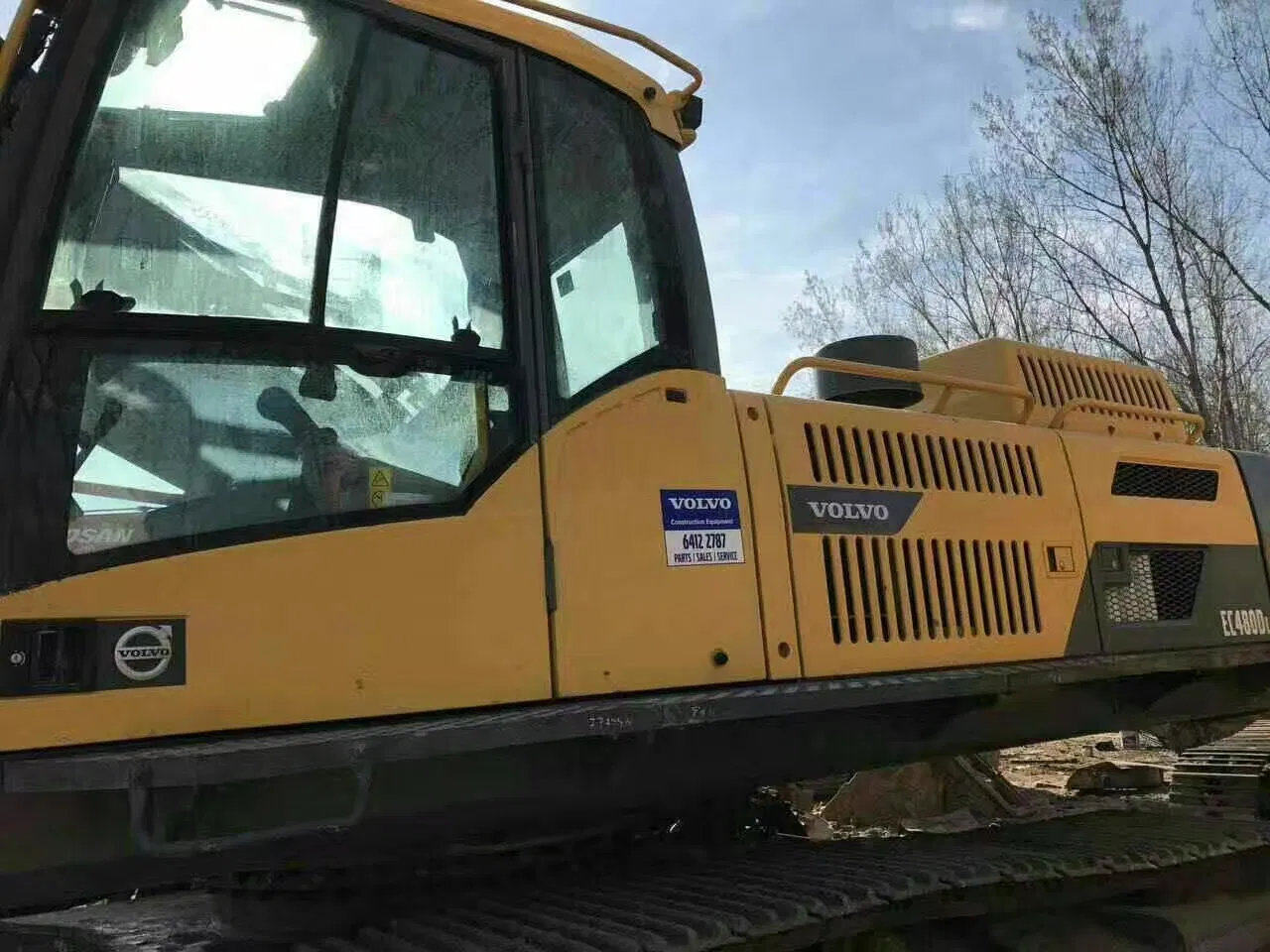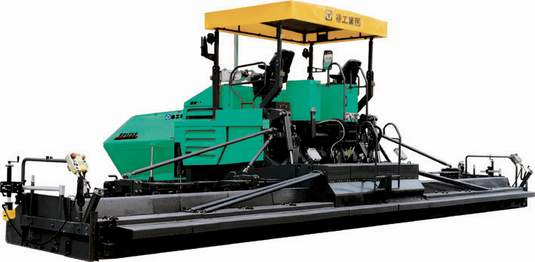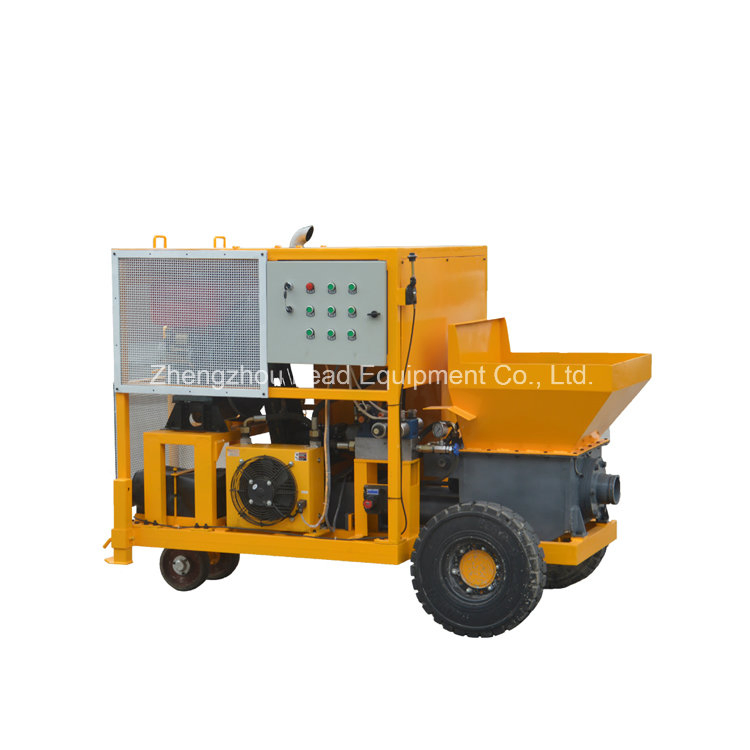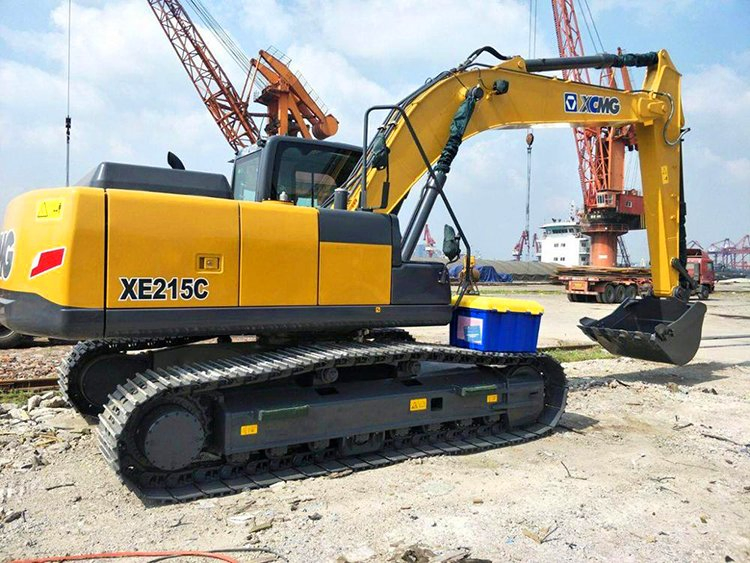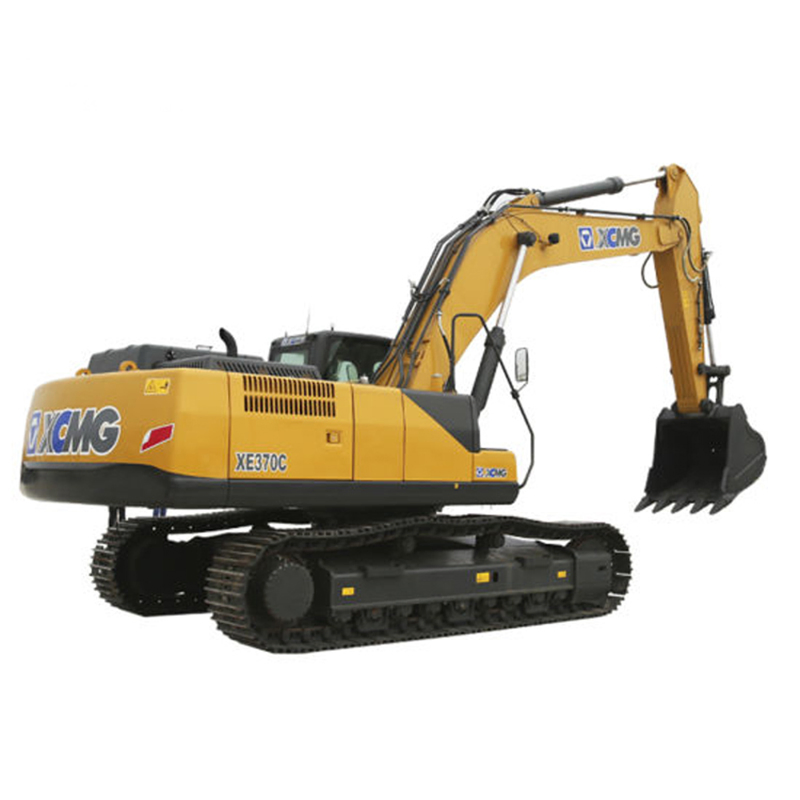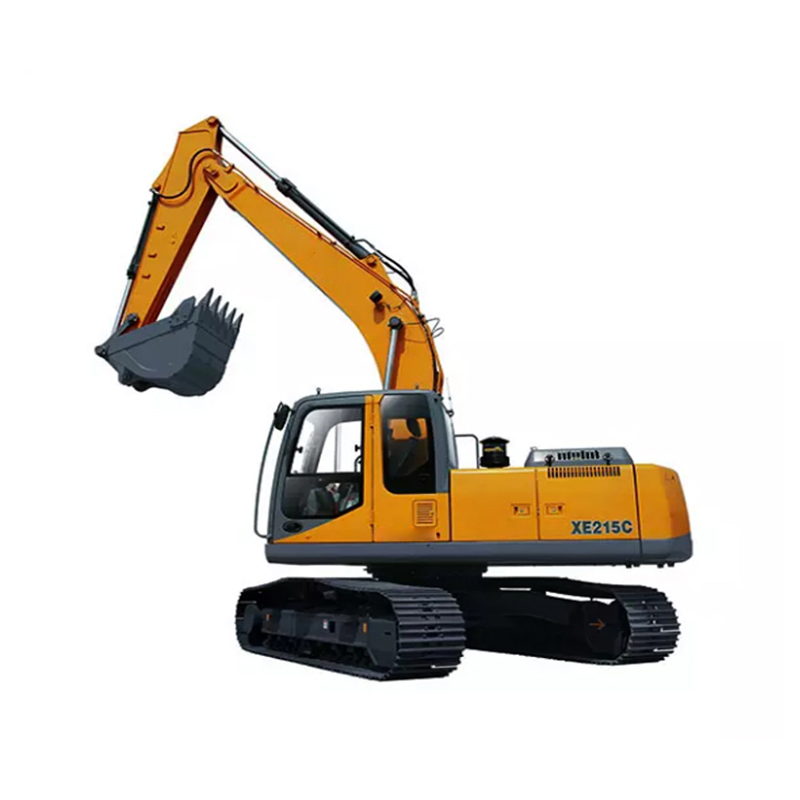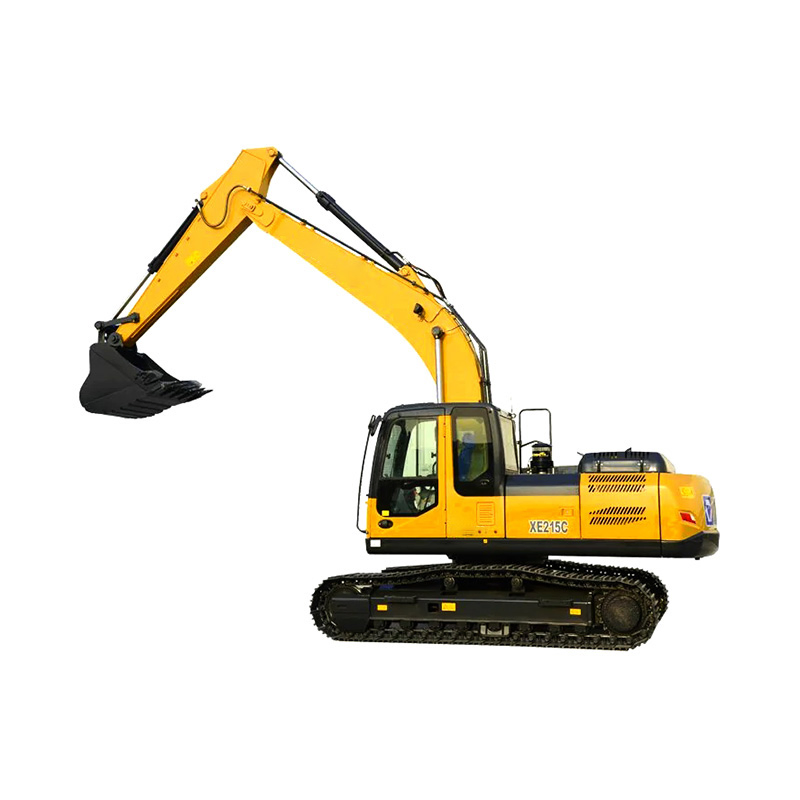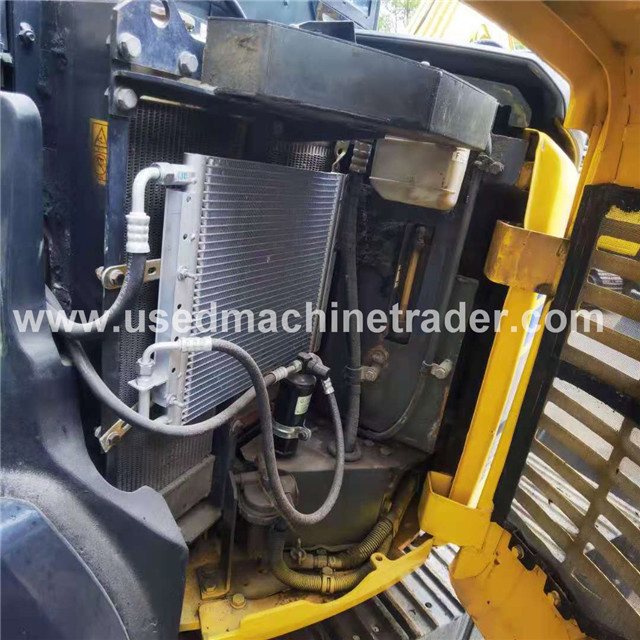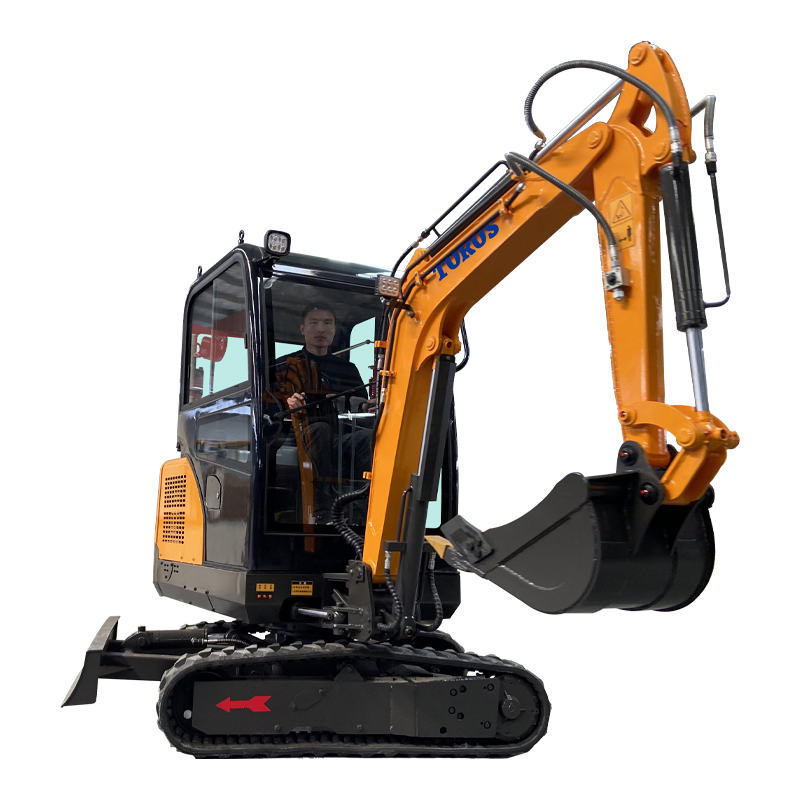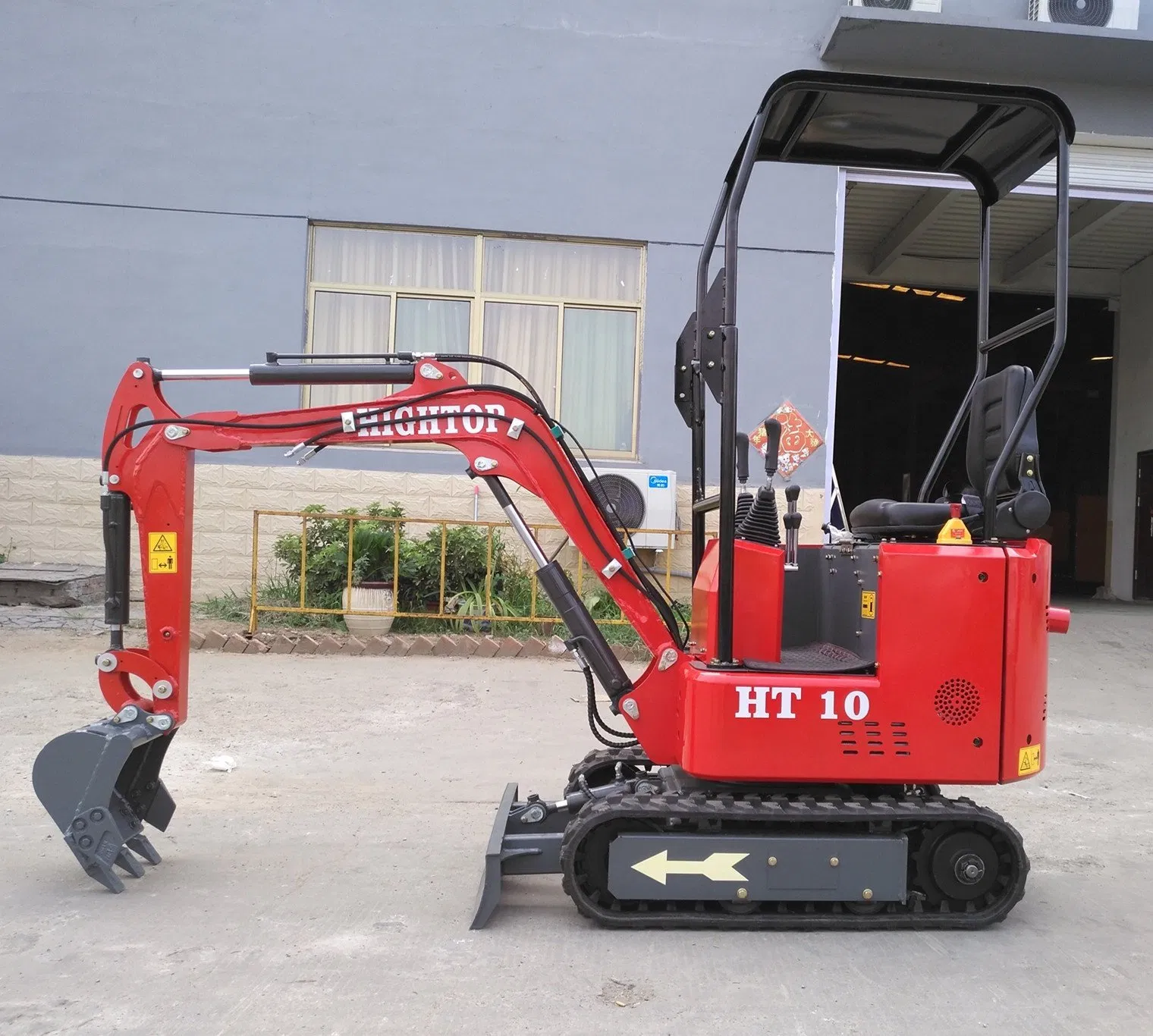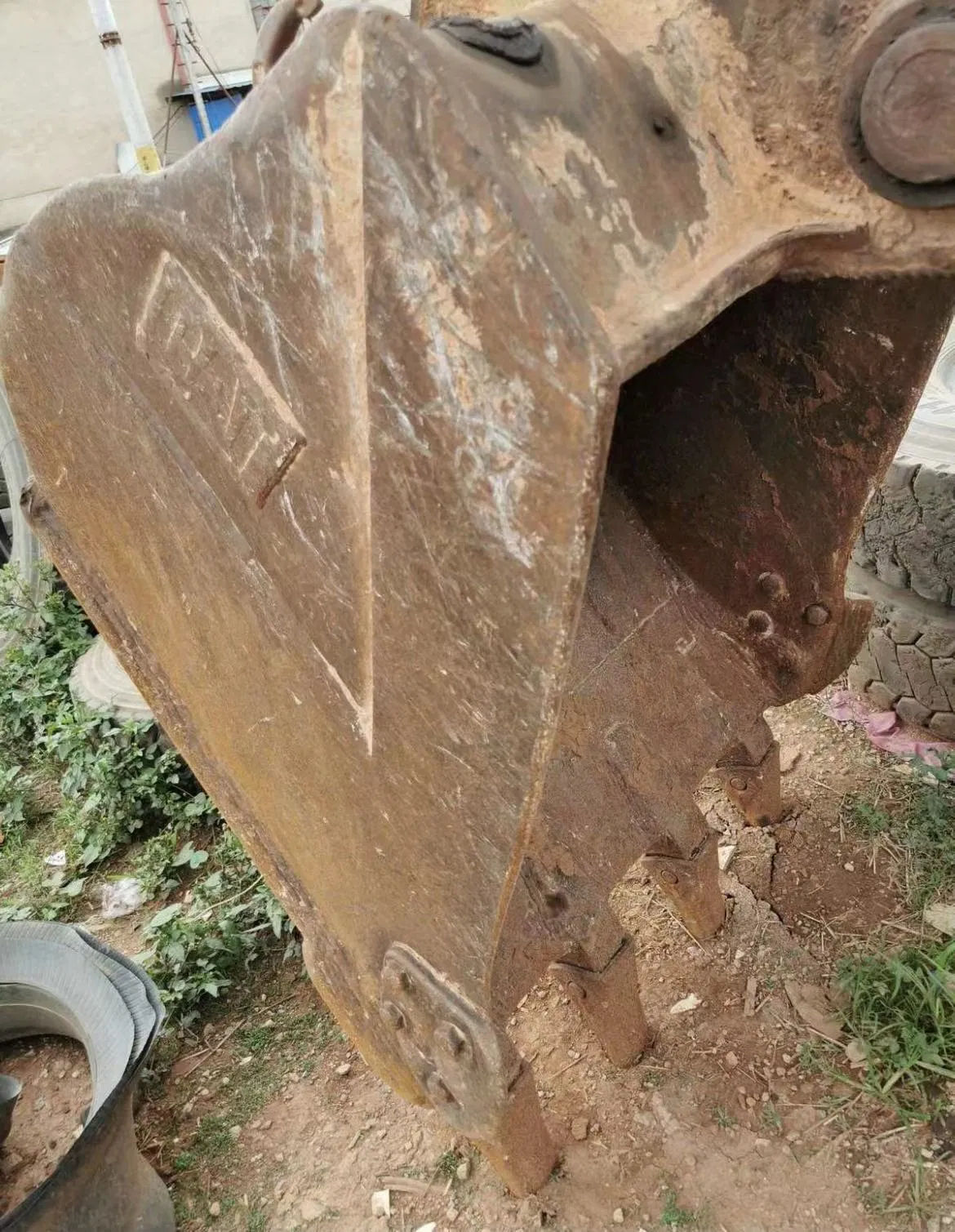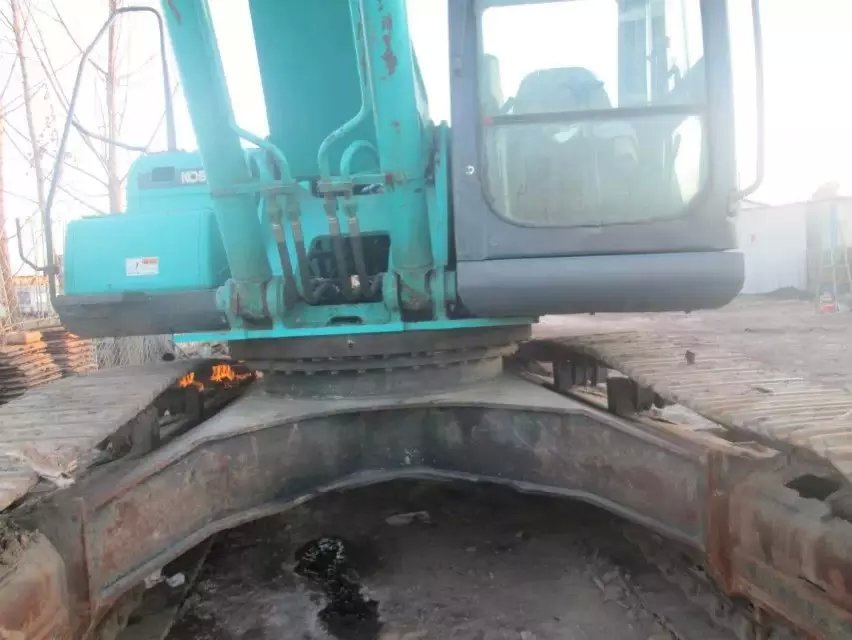
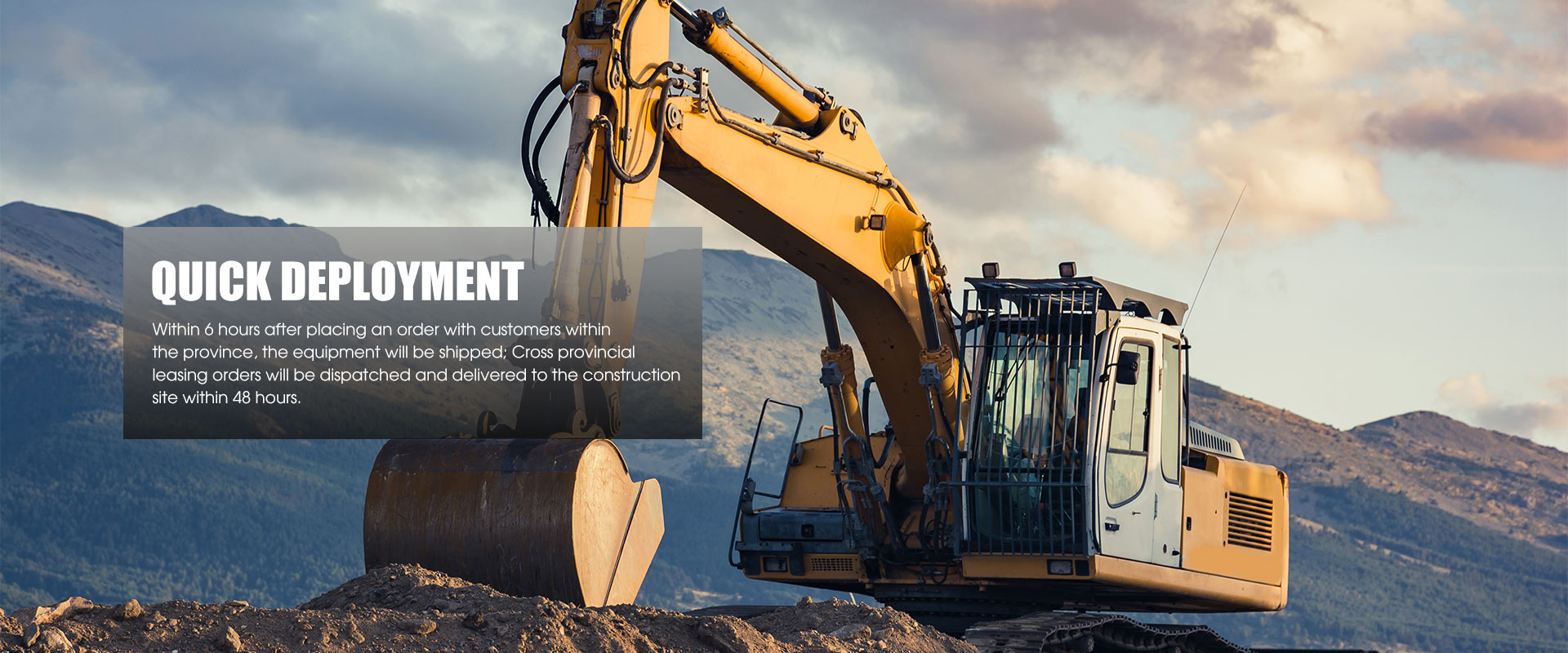
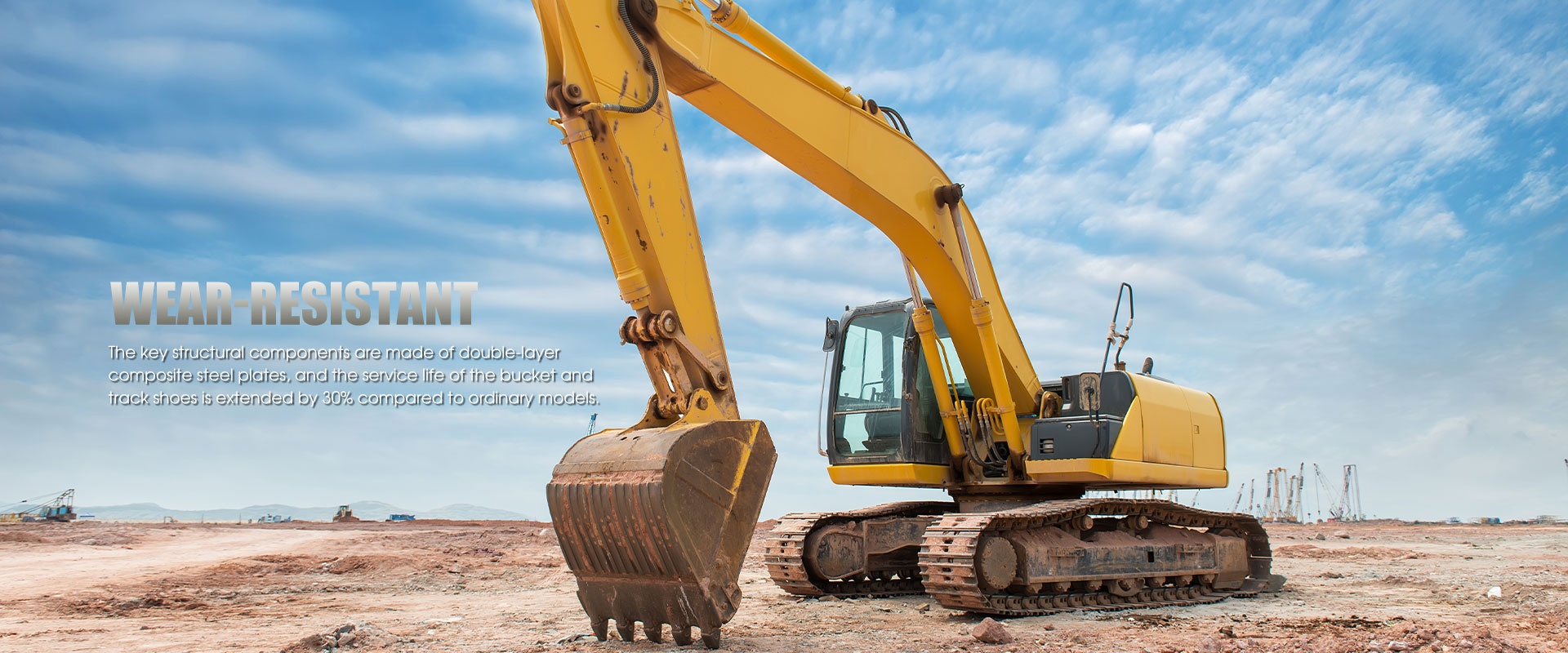
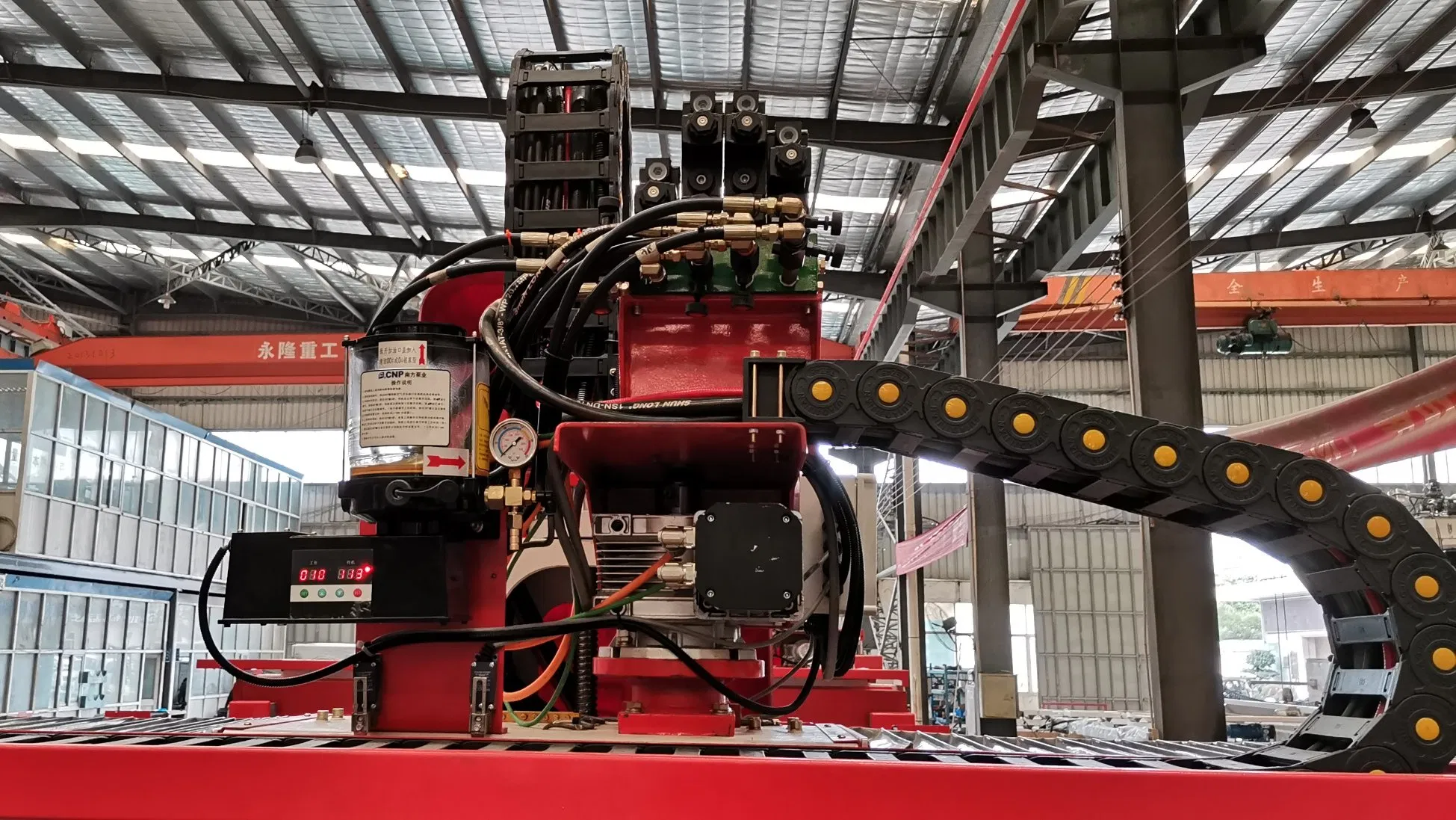
Jianjia Heavy Industry focuses on the research and development, leasing, and aftermarket services of construction machinery. Its core products include small and medium-sized excavators, loaders, and specialized equipment for tunnel construction. We reduce equipment maintenance complexity through modular design and provide a flexible cooperation model of "renting instead of selling" to help customers cope with schedule fluctuations and financial pressures.
The company has provided equipment support for road, water conservancy, and municipal projects in 12 provinces in China, with an average fault free working time of equipment exceeding the industry standard by 22%.
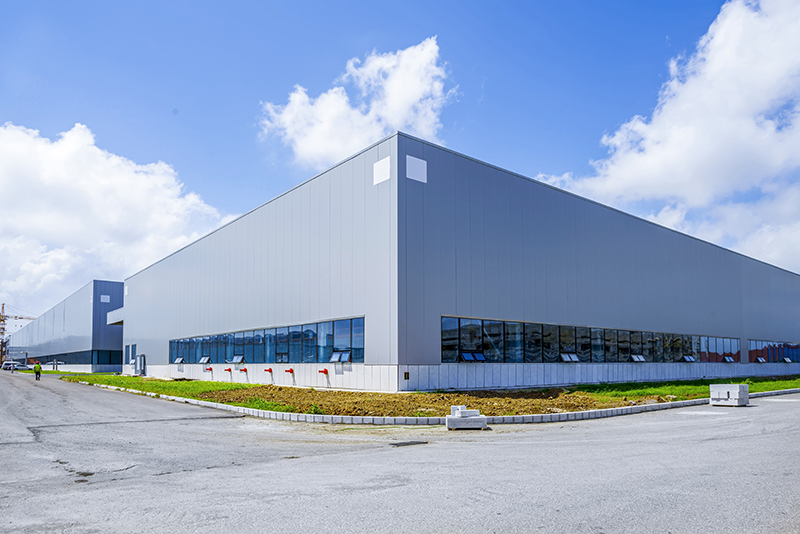
Selecting the optimal Steel Structure Lifting Tools configuration for intricate steel frame installations requires balancing engineering precision, load dynamics, and site-specific constraints. At Liweiyuan, we have seen how mismatched configurations lead to delays, safety risks, and cost overruns. This guide walks through a professional framework for making the right choice.
Hydraulic horizontal balers are essential machinery for modern industrial waste management. They provide an efficient solution for compacting recyclable materials like cardboard, paper, plastics, and metal scrap. This article explores how these balers operate, their benefits, key features, and practical tips for selecting the right model for your facility.
An All-In-One Air Compressor combines the compressor, air tank, dryer, filtration system, and intelligent controls into a single compact unit. This integrated design simplifies installation, improves air quality, reduces energy consumption, minimizes maintenance requirements, and saves valuable floor space. In this guide, we explore how an All-In-One Air Compressor works, its advantages, applications, selection criteria, and why it has become a preferred compressed air solution for modern industries.
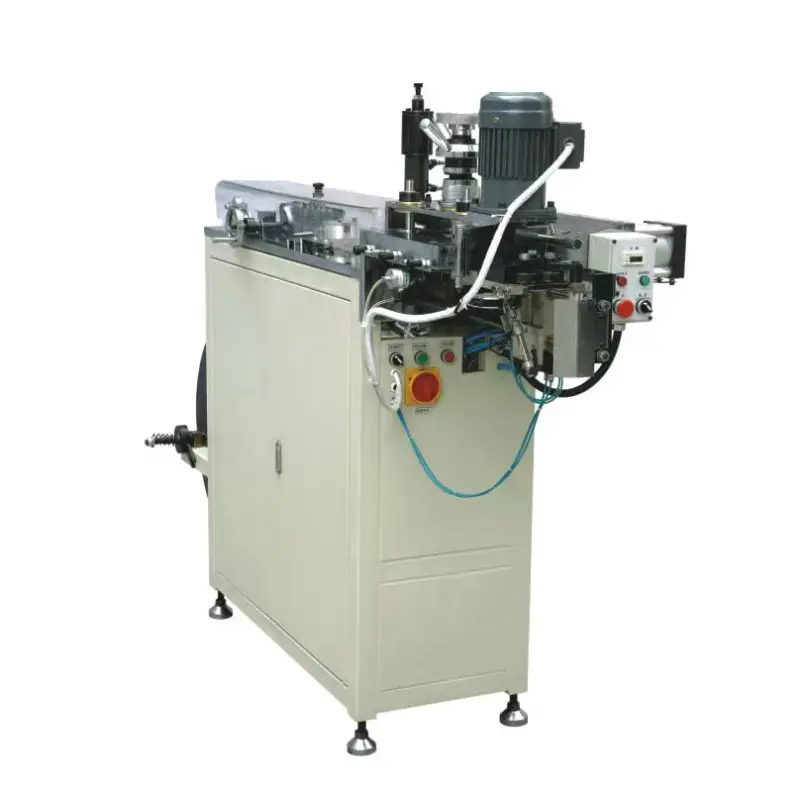
In today's competitive manufacturing and packaging environment, accurate and consistent labeling is no longer optional. Whether you are producing food products, beverages, cosmetics, pharmaceuticals, chemicals, or consumer goods, product labels play a critical role in branding, compliance, traceability, and customer trust.
A shearing machine is a critical piece of industrial equipment used for cutting sheet metal and plate materials with high precision and efficiency. It is widely applied in manufacturing, construction, automotive, shipbuilding, and metal fabrication industries. This article explains in detail how a shearing machine works, its structure, types, applications, maintenance considerations, and how to choose the right model for your production needs. The goal is to help operators, engineers, and buyers understand both the technical and practical aspects of shearing systems to improve productivity and reduce operational risks.
In today's fast-paced manufacturing industry, precision, efficiency, and durability are critical for achieving high-quality metal forming results. Among the many types of industrial machinery used in metal processing, the Single Crank Stamping Press has become one of the most reliable and widely used solutions for sheet metal stamping operations. From automotive parts and household appliances to electronic components and hardware products, this machine plays a vital role in improving productivity and maintaining manufacturing accuracy.
When designing a modern Steel Structure for Sports Center Complex, the choice of framing system directly impacts functionality, cost, and long-term adaptability. EIHE STEEL STRUCTURE has observed that multipurpose venues—hosting basketball, concerts, exhibitions, and indoor track events—require column-free spaces, variable ceiling heights, and future expansion options. Below are the most widely adopted steel systems for such complexes, along with their key applications.
In modern plastic manufacturing, cost efficiency and production stability are key concerns for factories aiming to remain competitive. A Used PVC Profile Extrusion Machine offers a practical solution for businesses seeking to balance investment costs with reliable output performance. This article explores how these machines function, their advantages, selection criteria, maintenance considerations, and common operational challenges. It also provides a structured overview for buyers evaluating whether used extrusion equipment aligns with their production goals.