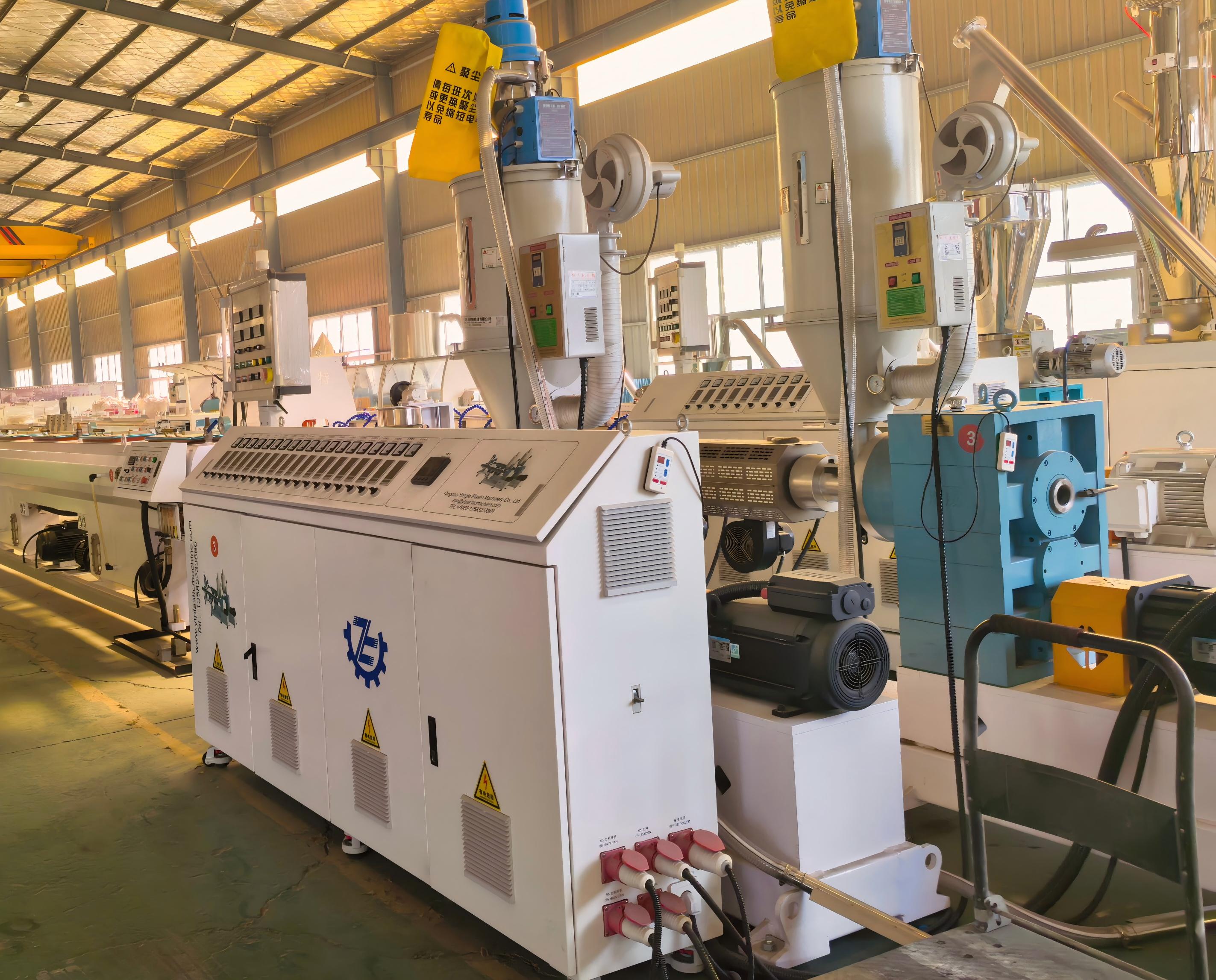

China PPR Pipe Machine: Revolutionizing Plumbing Solutions with Advanced Technology
2026-03-24
In the world of modern plumbing, innovation is key to delivering reliable, efficient systems. China's PPR pipe industry stands at the forefront of this transformation, driven by advanced machinery that ensures precision and durability. At the heart of this revolution lies Yongte, a brand dedicated to harnessing cutting-edge technology to craft superior solutions. This blog explores how Yongte's PPR pipe machines are reshaping plumbing standards, offering insights into their impact on sustainability and performance. Dive in to discover the engineering excellence that's setting new benchmarks in the field.
Innovative Engineering Behind China's Premier PPR Pipe Machinery
China's premier PPR pipe machinery stands out in the global market due to its cutting-edge engineering, which integrates advanced technologies like temperature control precision and automated extrusion systems. These machines often feature state-of-the-art heating elements and digital interfaces that enhance production efficiency and product durability, ensuring consistent quality in polypropylene pipes used for plumbing and heating applications.
Another key aspect is the incorporation of intelligent control units that optimize energy consumption and reduce waste, making the process more environmentally friendly and cost-effective for manufacturers. This innovation not only boosts output but also aligns with international sustainability standards, distinguishing these machines from competitors.
Additionally, ongoing research and development focus on improving material handling and modular designs, allowing for rapid setup and customization to meet diverse industrial needs. Such adaptability, combined with robust build quality, positions Chinese PPR pipe machinery as a top choice in the industry, driving growth in both domestic and export markets.
How Advanced Materials Enhance Durability and Performance in Plumbing Systems
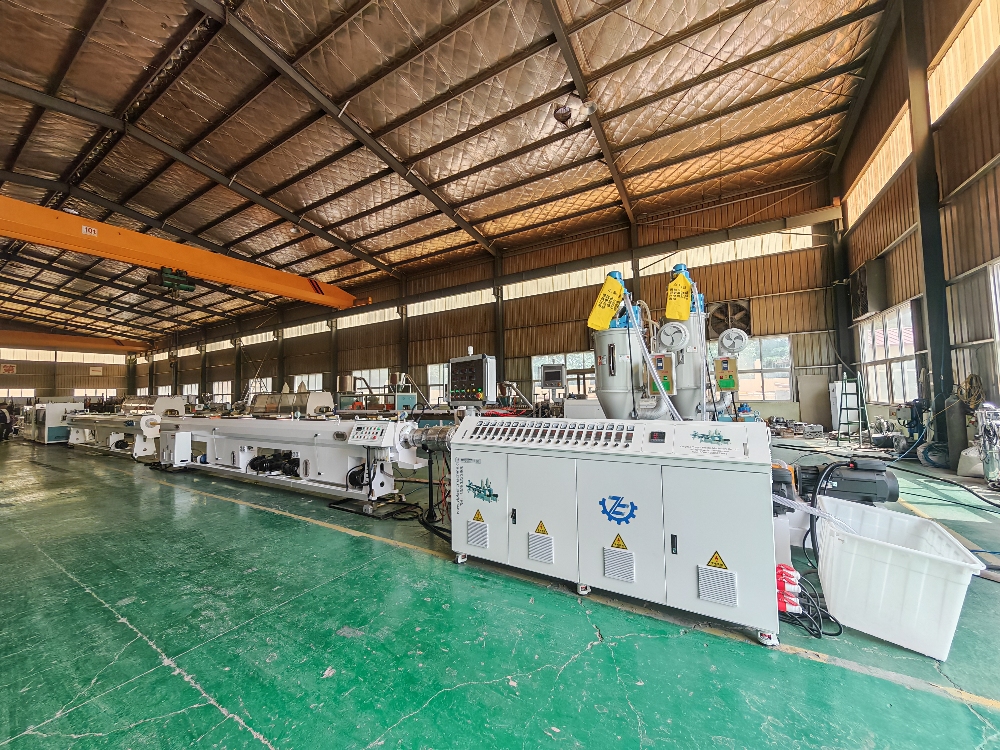
Innovative materials like cross-linked polyethylene (PEX) and corrosion-resistant stainless steel are transforming plumbing infrastructure by offering superior resilience against environmental stressors. These advanced composites not only withstand extreme temperatures and pressure fluctuations but also minimize the risk of leaks, extending the lifespan of systems far beyond traditional copper or PVC. By adapting to seismic shifts and chemical exposure, they ensure reliable water flow and safety in both residential and industrial settings.
The integration of smart polymers and composite alloys has revolutionized performance metrics, enabling self-healing pipes that automatically seal minor cracks and maintain optimal pressure. This leap in material science reduces maintenance downtime and energy consumption, as smoother internal surfaces minimize friction and improve flow efficiency. For example, PEX's flexibility allows for fewer joints and bends, cutting installation costs while enhancing thermal retention for hot water systems.
Beyond durability, advanced materials like glass-reinforced epoxy and ceramic-lined pipes offer unmatched hygiene and resistance to microbial growth, crucial for potable water applications. Their lightweight yet robust nature simplifies retrofitting in aging infrastructure, supporting sustainable practices by reducing material waste and improving water conservation. Overall, these innovations not only boost system longevity but also elevate user experience through quieter operation and consistent performance.
Streamlined Manufacturing Processes for Efficient PPR Pipe Production
In the production of PPR pipes, streamlined manufacturing processes are essential for boosting efficiency and ensuring consistent quality. By integrating advanced automation and lean principles, factories can minimize waste and reduce cycle times. For instance, automated extrusion lines allow for precise control over pipe dimensions and molecular orientation, resulting in fewer defects and lower material usage. This approach not only speeds up production but also enhances the overall reliability and durability of the pipes, making them more competitive in the market.
Focusing on specific techniques, real-time monitoring systems play a crucial role in optimizing PPR pipe manufacturing. Sensors embedded along the production line continuously track parameters such as temperature, pressure, and flow rates, enabling quick adjustments to prevent issues like thermal degradation or inconsistent wall thickness. This proactive monitoring helps maintain high standards without constant manual intervention, ensuring that each batch meets stringent industry specifications while keeping operational costs in check. It's a smart way to balance speed with precision in a fast-paced production environment.
Beyond just machinery, adopting flexible workflows can significantly improve efficiency in PPR pipe production. By designing modular production setups, manufacturers can easily switch between different pipe sizes or grades without lengthy downtimes. This agility allows for more responsive handling of diverse customer demands, from small-scale projects to large industrial applications. Coupled with regular training for staff on these streamlined methods, it fosters a culture of continuous improvement, ultimately leading to faster delivery times and higher customer satisfaction in the competitive piping industry.
Cutting-Edge Automation and Control Technologies in Modern Pipe Machines
In today's fast-paced manufacturing landscape, modern pipe machines are revolutionizing production with cutting-edge automation and control technologies. These systems seamlessly integrate robotics, sensors, and AI-driven algorithms to optimize every step of the process. From precision bending and welding to quality inspection, automated solutions not only enhance efficiency but also drastically reduce human error, ensuring consistent, high-quality outputs even in high-volume environments. This technological leap is reshaping industries like construction and automotive, where piped components are critical.
Advanced control mechanisms, such as PLCs and SCADA systems, form the backbone of these innovations, offering real-time monitoring and adaptive adjustments. They allow operators to fine-tune parameters like pressure, temperature, and speed with unprecedented accuracy. What sets this apart is the use of machine learning models that predict maintenance needs and operational bottlenecks, minimizing downtime and boosting overall productivity. It's not just about automation—it's about creating smarter, self-regulating systems that evolve with production demands.
Beyond traditional automation, emerging trends like IoT connectivity and digital twins are pushing boundaries further. By linking pipe machines to cloud networks, data on performance and wear is continuously analyzed, enabling proactive optimization and remote troubleshooting. This holistic approach transforms isolated equipment into interconnected hubs, fostering a more responsive and sustainable manufacturing ecosystem where every move is data-informed and every outcome is maximized for excellence.
Environmental Benefits and Sustainability Features of PPR Plumbing Solutions
PPR (polypropylene random copolymer) piping has gained attention for its eco-friendly attributes. Unlike traditional metals, PPR doesn't corrode or leach harmful substances into water, preserving purity over decades. Its durability reduces landfill waste from frequent replacements, making it a long-term investment that curbs resource consumption.
Energy efficiency is another standout feature, as PPR's excellent thermal insulation minimizes heat loss in hot water systems. This lowers the energy needed to maintain temperatures, cutting down on utility bills and greenhouse gas emissions associated with heating. Its lightweight nature eases transport, further slashing carbon footprints during installation.
Sustainability shines through PPR's recyclability; old pipes can be reprocessed into new products, promoting a circular economy. The material's resistance to chemicals and harsh conditions ensures minimal maintenance, reducing environmental impact from repairs and chemical treatments.
Global Impact: Meeting Diverse Plumbing Needs with Tailored Machine Designs
The plumbing industry has long relied on standardized machinery, but this approach often falls short in addressing the unique challenges faced by different regions. Tailored machine designs are revolutionizing how we tackle everything from water scarcity in arid climates to high-density installations in urban centers. By adapting equipment to local materials, labor skills, and infrastructure limitations, these specialized solutions ensure that plumbing systems not only function efficiently but also withstand specific environmental stresses.
Consider how custom-built pipe threading machines can vary dramatically between projects in Norway's freezing fjords and Singapore's humid tropics. In colder regions, machines might incorporate heating elements to prevent material brittleness, while tropical versions prioritize corrosion-resistant components. This level of customization extends to everything from compact trenching rigs for cramped historical districts to solar-powered purification units for off-grid communities. The result is plumbing that genuinely works with its surroundings rather than forcing a one-size-fits-all compromise.
Beyond functionality, tailored designs foster economic sustainability by reducing waste and energy consumption. When machines precisely match their operating conditions, they minimize resource overuse and extend equipment lifespan. This approach also empowers local technicians through intuitive interfaces adapted to regional training practices. As climate change intensifies plumbing challenges worldwide, this responsive engineering philosophy transforms machinery from mere tools into strategic assets for building resilient water infrastructure everywhere.
FAQ
China's PPR pipe machines excel due to their integration of cutting-edge automation and precision engineering, ensuring high-quality, durable pipes that meet global standards for efficiency and sustainability.
Technological advancements have enabled features like real-time monitoring, energy-efficient processes, and smart controls, significantly boosting productivity and reducing waste in manufacturing.
Yes, these machines offer versatile configurations and modular designs, allowing manufacturers to tailor production for specific pipe sizes, shapes, and applications.
They promote sustainability by using recyclable materials, minimizing energy consumption, and producing corrosion-resistant pipes that reduce leaks and water waste over time.
Through rigorous testing protocols and automated quality checks, they maintain consistent high standards, ensuring pipes are durable, safe, and compliant with international regulations.
They are crucial for urban development, providing reliable plumbing solutions for residential, commercial, and industrial buildings, enhancing water management and infrastructure resilience.
Conclusion
China's PPR pipe machinery represents a significant advancement in plumbing technology through its innovative engineering and use of advanced materials. These machines incorporate cutting-edge designs that enhance the durability and performance of PPR pipes, crucial for modern plumbing systems. By focusing on durable materials and streamlined manufacturing processes, they ensure efficient production while maintaining high quality. This approach not only improves the longevity of plumbing solutions but also supports the industry's shift toward more reliable and efficient infrastructure.
Furthermore, the integration of automation and control technologies in these machines optimizes production and reduces operational costs. Environmental sustainability is a key feature, with PPR plumbing solutions offering eco-friendly benefits that align with global green initiatives. The global impact is evident as these tailored machine designs meet diverse plumbing needs worldwide, from residential to industrial applications. By revolutionizing plumbing through advanced technology, China's PPR pipe machinery sets a new standard, driving innovation and addressing the growing demand for sustainable and high-performance systems across various markets.
Contact Us
Contact Person: Ms Qin
Email: [email protected]
Tel/WhatsApp: 8613583233866
Website: https://www.yongteplast.com