

Flexo Printing Machine Exporter Insights for Reliable Packaging Production Lines
2026-11-16
Packaging lines only run as smoothly as the machines behind them, yet sourcing a flexo printing machine that holds up outside the showroom is far from straightforward. Export documents, local voltage differences, platen pressure, drying capacity—each detail shapes daily output. HuiPeng has spent years sorting through these variables with converters and packaging buyers. This post unpacks the exporter-side realities that decide whether a flexo line becomes a dependable workhorse or a recurring bottleneck.
What Separates a True Flexo Printing Machine Exporter from a Middleman
A genuine flexo printing machine exporter earns that title through direct access to manufacturers, deep technical familiarity, and the ability to stand behind what ships. A middleman, by contrast, often works from a price list and a phone number, passing questions back and forth without ever having touched the equipment. Ask about print repeat tolerances, plate mounting systems, or ink viscosity handling—a true exporter can explain how a particular press behaves on the floor, while a middleman stalls or offers generic brochure language.
The difference becomes obvious when something goes wrong. Real exporters have trained technicians who can diagnose issues remotely or arrange parts without waiting for a third party to answer emails. They know which ports they ship through, what documentation a given country requires, and how to crate a press so it survives the journey. A middleman typically disappears the moment a custom clearance holds the shipment or a servo drive fails during installation.
Pricing is another tell. A factory-direct exporter can offer realistic lead times and honest upgrade paths because they see production schedules and component costs up close. Middlemen pad quotes to cover their margin while promising unrealistic delivery dates to close the deal. Over the life of the machine, that gap shows up as slower support, mismatched spare parts, and a nagging feeling that nobody actually owns the problem.
Avoiding the Usual Flexo Bottlenecks in Packaging Production
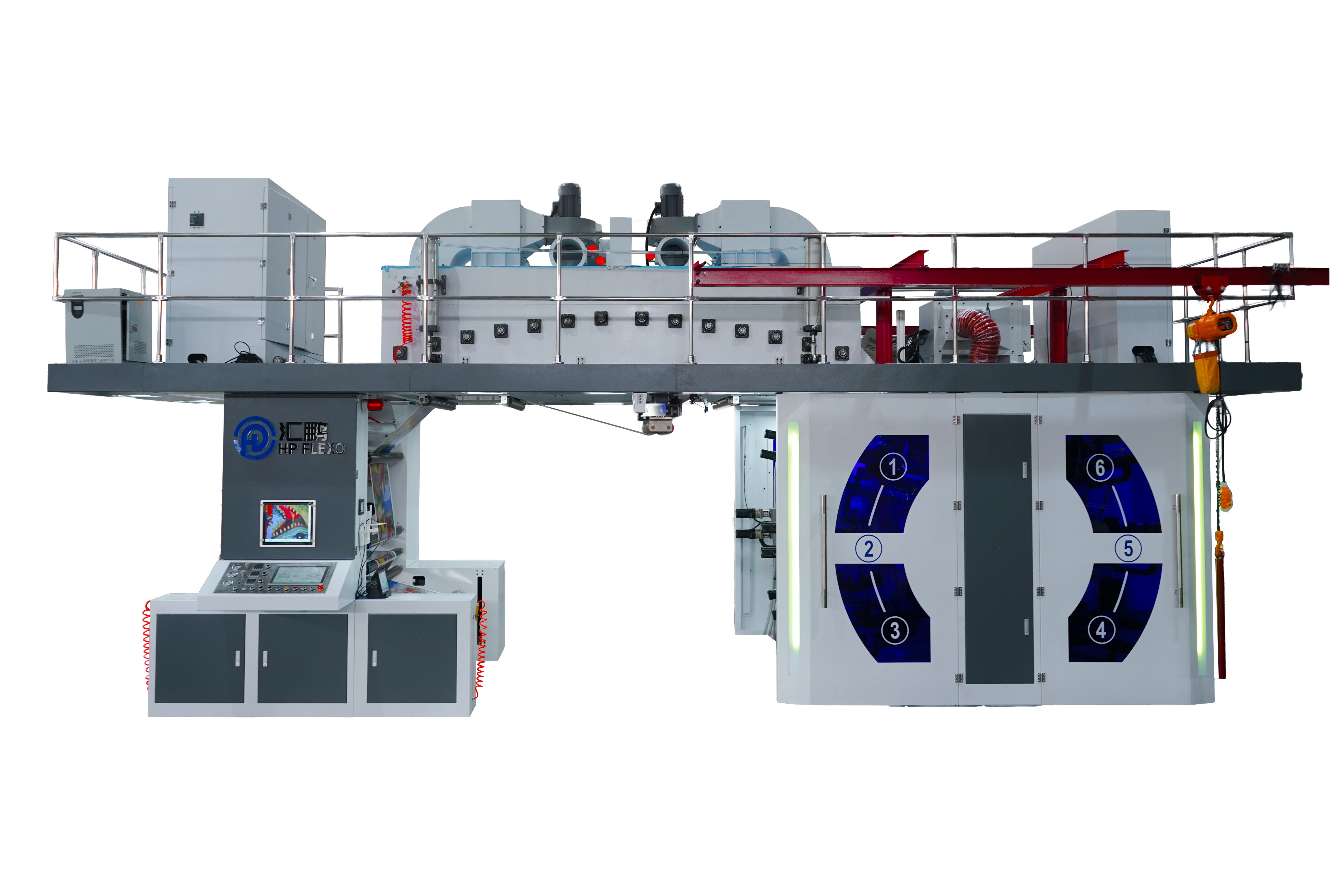
Flexo bottlenecks rarely appear as a single catastrophic failure. They tend to stack up quietly—plate mounting drift, anilox scoring that goes unnoticed until color strength drops, tension spikes between unwind and rewind, and ink drying too fast on one deck while another stays tacky. The real constraint is often not the press itself but the assumption that each station behaves like the last one. Once operators start treating the entire run as a set of interacting variables rather than isolated settings, wasted substrate and late-stage rework begin to shrink.
A more practical approach is to map the three or four most frequent slowdowns per shift instead of chasing every possible variable. For example, if plate lift occurs most often on wide repeats, then mounting tape selection and cylinder pressure deserve attention before blaming the photopolymer. If registration drifts only after splice changes, then the splice table and dancer calibration matter more than new servo tuning. By isolating where a bottleneck actually happens—not where it theoretically could—teams can spend less time firefighting and more time running at stable speed.
Cleanliness and data logging also play a bigger role than most converters admit. Anilox cells packed with dried ink mimic low ink transfer, leading to unnecessary viscosity adjustments or plate changes. A simple log of which deck, which job, and which shift produced each delay usually reveals patterns within two weeks. Those patterns, rather than generic best practices, are what allow a packaging line to move from reacting to bottlenecks every afternoon to avoiding them before the first impression rolls off.
Choosing Press Widths and Color Decks Around Real Order Profiles
A press width decision should start with a simple pull from the MIS: flat sheet sizes, quantities, and how the job is imposed. If most of the work lands on 13x19 or 14x20 sheets, a 29-inch press will usually give the speed and lower tooling costs the shop actually needs. A 40-inch machine only makes sense when the bulk of the order profile sits at 25x38 or larger, or when the plant routinely runs 16-page signatures. The hidden cost shows up when small sheets run wide: wasted stock, extra plate material, and slower feeding.
Color decks should be counted the same way. Look at the share of jobs that need four-color process plus a spot color, a coating, or backside printing. A five-color with coater may cover a large portion of real work. An eight-color perfector sounds flexible, but if it mostly runs standard CMYK with occasional UV, the shop pays for washup cycles and unused units. The actual sequence matters more than the equipment brochure: process, spot, coating, perfecting.
The goal is not to configure for every quote, but to match the center of the order profile and leave modest room for growth. If a rare oversized sheet or six-color packaging job comes through twice a year, it is often cheaper to broker or outsource than to carry that capacity every day. A well-chosen press should handle the routine 80 to 90 percent of work in one pass with predictable make-ready; the rest should be treated as a deliberate exception.
Why Sleeve Changeover Speed Matters More Than Top Speed
A shrink sleeve line rated at 400 containers per minute sounds impressive until a size swap eats forty minutes. Most plants run multiple SKUs every shift, so the clock keeps ticking while operators reset mandrels, sensors, and film guides. That gap between the last good bottle of one run and the first good bottle of the next is often where real capacity disappears.
Top speed is usually a single-condition number: one container profile, one film gauge, one set of adjustments. Changeover speed reflects the messier reality of daily production. Tool-free parts, clear markings, and stored recipes shorten the transition and get the line back to stable output faster. Saving fifteen minutes on a change repeated across three shifts frequently adds more volume than chasing another fifty containers per minute.
There is also a human factor. When a changeover is complicated, operators are more likely to miss a setting, scratch a mandrel, or load film slightly off-center. Machines that return to steady running quickly produce fewer misfires and less wasted film after restart. In most beverage and contract packaging environments, sustained output between changeovers matters more than a brief sprint on one long run.
After-Sales Support Structures That Keep Flexo Lines Running
Most flexo printers learn the hard way that uptime is not a function of the press alone but of the support system standing behind it. The most dependable operations rely on a layered after-sales setup that pairs a named service engineer with local technical staff, keeps critical spare parts stocked within a few hours of the plant, and maintains a shared log of every adjustment made on the line. This turns a breakdown from a panic into a managed event with clear ownership and a realistic recovery window.
Remote access has changed the rhythm of troubleshooting. Instead of waiting for a technician to travel, operators can open a live session where an off-site specialist reads servo trends, checks registration data, and walks the crew through parameter changes while the line is still warm. The structure that works best combines this real-time channel with scheduled health audits, so small deviations in tension control or drying temperatures are caught before they become unscheduled stops.
A third pillar is often overlooked: structured handover knowledge. Shops that keep running rarely rely on tribal memory. They build short, visual work instructions tied to specific fault codes, refresh operator training after every retrofit or upgrade, and hold a quarterly review with the equipment supplier to look at recurring alarms and parts consumption. This closes the loop between service calls and daily operation, making the support structure part of the production rhythm rather than an emergency hotline.
Hidden Cost Drivers in Flexo Machine Import Decisions
The sticker price on a flexo press rarely reflects what it actually takes to move the machine from the factory floor to your production line. Freight forwarders, port storage charges, specialized crating, and last-mile handling are often quoted separately or buried in supplier terms. A container that sits at the destination port for an extra three days can wipe out the savings from a lower ocean freight quote, especially when the press has unusual dimensions that require special lifting equipment.
Tariff classification and payment currency quietly reshape the final invoice. The same flexo machine can fall under different HS codes depending on how the supplier describes its components, and that difference alone can shift the duty rate by several percentage points. Paying in the exporter's currency or in a third currency during a four-month build cycle also introduces exchange-rate exposure that many buyers fail to hedge. Incomplete certificates of origin or expired trade-preference paperwork add clearance delays and sometimes remove the preferential rate entirely.
Costs after arrival tend to be more persistent than the one-time shipping line items. A press may require changes to air supply, voltage, or floor reinforcement before startup, and those modifications are rarely included in the import contract. Training might cover standard operation but not the complex substrates or repeat-length changes your jobs actually demand, leaving you dependent on paid remote support. Spare parts availability, ink and plate compatibility, and the real response time of local technicians shape the next three years of total ownership cost far more than the initial purchase discount.
FAQ
They focus on the initial quote and ignore the exporter's ability to support the machine after it clears customs. Ask for nearby reference installations, response times for technical questions, and whether spare parts can be shipped from a regional warehouse rather than only from the factory.
Look at how they talk about substrates, ink laydown, drying capacity, and changeover times. A genuine specialist will ask about your typical run length, board thickness, and end-use requirements before quoting a configuration, not just push a standard model.
Automatic register control, quick-change anilox and plate sleeves, enclosed doctor blades, and a stable web tension system usually have more impact than print width alone. For short runs, the time between jobs matters more than top speed.
Foundation drawings, utility requirements, machine layout, electrical diagrams, and a clear spare parts list. If the exporter hesitates to share these before payment, that is often a warning sign.
Include installation, operator training, freight, import duties, spare parts, energy consumption, and wear items like doctor blades and anilox rolls. Ask for an estimated running cost per thousand square meters or linear meters based on your typical job mix.
The strongest exporters plan installation in phases: pre-checks, mechanical setup, power-on testing, print trials, and handover. Training should cover job changeovers, cleaning, calibration, and basic fault diagnosis, with a local support partner if possible.
Food contact packaging may involve migration testing and specific ink approvals, while industrial packaging may need resistance to scuffing or weather. The exporter should be able to recommend suitable inks, plates, and drying options for your region instead of treating compliance as the buyer's problem.
You can usually request web width changes, dryer upgrades, additional print stations, corona treatment, or specific safety standards without major redesign. The key is to confirm which changes affect lead time, price, and future spare part compatibility before signing.
Conclusion
Reliable flexo packaging output rarely hinges on the headline speed of a press. It depends more on whether the exporter behaves like an engineering partner rather than a shipment broker. A genuine exporter asks about repeat lengths, substrate caliper, and the share of short-run jobs before quoting a configuration. That early questioning prevents the usual flexo bottlenecks such as undersized dryers, tension zones that cannot hold film flat, and ink systems that struggle with high-coverage solids. When press widths and color decks are matched to actual order profiles, a converter avoids paying for deck capacity that sits idle or, worse, accepting a narrow web that forces multiple passes. The focus shifts from maximum meters per minute to consistent, repeatable output across shifts.
Changeover speed deserves more attention than top speed because real packaging lines lose more time between jobs than during steady-state printing. Sleeve handling, preset recipes, and tool-less locking systems reduce that lost time and let shorter runs remain profitable. After-sales support structures separate dependable exporters from transactional ones through local spare parts access, remote diagnostics, and operator training on register and tension settings. That support keeps lines running instead of waiting for a technician. Hidden import costs also shape long-term viability, including electrical compatibility, spare part duties, foundation requirements, and the compatibility of anilox rolls and doctor blades with local consumable suppliers. A sound flexo line decision therefore weighs configuration, changeover behavior, and service infrastructure together, not the press specification alone.
Contact Us
Contact Person: Isaias
Email: [email protected]
Tel/WhatsApp: 86-13868693129
Website: https://www.hpflexo.com/