

Flexo Printing Machine for Plastic BOPP Makers That Improves Print Consistency and Speed
2026-11-16
Ask any BOPP converter what separates a clean, profitable run from a costly one, and the answer usually comes down to two things: holding color and holding pace. Flexo presses that perform well on paper often struggle on slick, heat-sensitive BOPP film, where a small tension swing can quickly turn into register drift. This post looks at the press features that genuinely improve consistency and throughput on BOPP work—and why more operators are taking a closer look at HuiPeng before their next line upgrade.
Why BOPP Film Stretches Differently at Speed and How to Compensate
BOPP film doesn't notice line speed the way operators do. At low draw rates, the polypropylene chains have enough time to relax, so stretching follows a fairly predictable stress-strain path and gauge reduction stays even. Push the same film through a faster section and the strain rate climbs sharply; the web turns more elastic, yield stress rises, and the film tends to neck down or snap before the draw can spread across the full width. That is why an unchanged recipe can run flat at 180 m/min and become unstable at 260 m/min.
The real adjustment is not simply more tension. Moving the draw point and shifting local temperatures usually works better. A few degrees more on the preheating rolls or a slightly longer stretch gap gives the film more time under heat before the fast pull, which lowers yield stress and lets orientation happen more uniformly. Reducing early machine-direction orientation before transverse stretching also helps, because the film enters the tenter with less locked-in stress. Match the draw ratio to the actual strain rate window rather than the nominal recipe, and watch edge neck-in: if it grows with speed, ease the ratio or raise cast roll temperature before increasing tension.
Compensation means matching heat input to line speed instead of fighting the polymer's response. Faster lines typically need a shifted temperature profile, a somewhat wider initial web, and closed-loop tension control that reacts before gauge bands drift. When a speed change is planned, adjust preheat, draw gap, and annealing temperature together in small steps rather than changing one variable and waiting for the film to recover. That keeps final shrinkage, clarity, and thickness profile closer to the slow-speed baseline.
Tension Mapping That Keeps Registration Drift Off Thin Webs
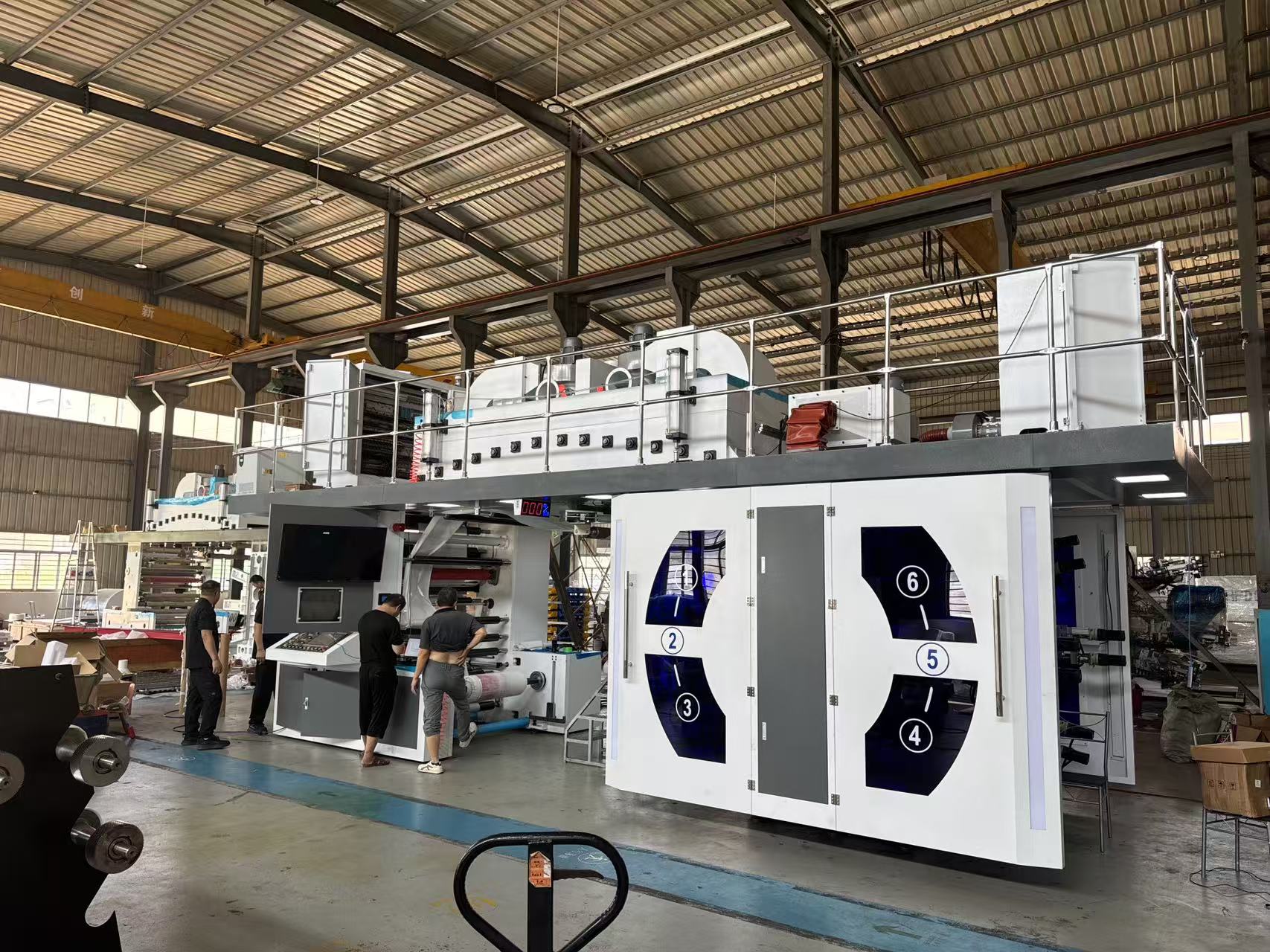
On thin webs, registration drift is rarely a single tension setpoint problem. It usually comes from uneven stress across the width: one edge runs slightly baggy while another zone pulls tighter, and the material walks sideways over idler rolls long before the operator sees the print or coating shift. Mapping those cross-web tension bands shows exactly where the imbalance lives instead of masking it with higher overall tension, which only invites wrinkling and edge curl on films, foils, and lightweight nonwovens.
A practical setup reads tension in narrow bands across the web using segmented sensing rolls or a row of low-friction load cells ahead of the guiding point. The map behaves more like a live fingerprint than a single average value. When one band consistently reads low, the correction can be made locally: a slight tilt on a spreader roller, a small edge-load adjustment, or a nudge to the guide upstream. That keeps the centerline from drifting without stretching the rest of the web into trouble.
The payoff shows up most during splices, speed changes, and roll changes, where thin materials tend to wander. With tension mapping in place, drift becomes a short, controlled correction rather than a recurring fight with the guiding system. Roll surface cleanliness and sensor calibration matter more here too, because a tiny piece of dust or a worn roller face can distort the map enough to send the correction the wrong way.
Anilox and Doctor Blade Pairings for Cleaner Reverse Solids
Reverse solids have a way of amplifying every small metering flaw. When the anilox carries too much ink or the doctor blade leaves a slick film on the land areas, knockouts and fine reverses fill in before anyone notices. A cleaner result usually comes from dialing back cell volume slightly and pairing that roll with a blade that shears the surface without pressing hard enough to flex the edge. Elongated hexagonal cells at a higher line count often give the density needed while keeping the ink film thinner and more controlled around reverse elements.
The blade itself matters as much as the roll. A worn or radiused tip lets a trace layer ride the anilox surface, and that residue tends to gather along the shoulders of reverse solids. Switching to a square or lamella tip, set at a moderate angle with consistent pressure, can remove that layer before it reaches the plate. On long runs, reverse solids are usually the first place to expose blade wear, so short inspection intervals prevent the edges from turning soft and the solids from losing their snap.
Dryer Airflow Placement That Locks Color Density Without Slowing the Press
Most press operators have felt the tension: raise dryer airflow enough to set the ink, and the press starts creeping slower because the substrate moves or the ink surface skins over too fast. The smarter placement puts the air right at the trailing edge of the print zone, angled low enough to pull solvent away without blasting wet film. That keeps color density locked because the pigment is not disturbed or thinned by excessive turbulence, and the press never has to back off its speed.
What makes a difference is not more airflow but a sharper pressure drop across the sheet. A narrow slot positioned after the final color unit lets the drying air move across the surface in a controlled sheet rather than a scattered plume. The result is a faster evaporation rate at the surface while the deeper ink layers stay intact, so densities read the same at the start and end of the run. Press helpers can hold register and color without constantly compensating for heat drift.
The real trick is treating dryer airflow as a placement problem instead of a power problem. Shifting the nozzles a few inches downstream or changing their angle by a few degrees often does more than adding another blower. When the air hits where the ink is settling but before it skins over, the color locks in without asking the press to slow down.
Sleeve and Plate Changeover Steps That Reduce Waste and Rework
Sleeve and plate swaps don't have to mean downtime that chews through material and labor. The real trick is staging the changeover so every motion has a purpose, and nothing gets pulled apart twice. Instead of stripping the entire assembly, you break the swap into zones: loosen only the fasteners that actually release the worn sleeve, keep shims and spacers pinned to their original positions, and use a simple witness mark or index notch to confirm orientation before the first bolt comes out. This turns a chaotic teardown into a controlled sequence where the next part is always within arm's reach.
Waste usually sneaks in during the handoff between operators or between shifts. A plate that looks interchangeable often isn't, and forcing it into place leads to rework on seals or alignment later. The fix is to make the changeover steps visual and self-checking. Color-code the new sleeve and plate by size range, store them in a tray that mirrors the order of removal, and have the operator lay the old parts on a shadow board before reaching for replacements. If a part doesn't fit the silhouette or the color marker, the swap stops right there instead of after a bad run.
Rework drops sharply when the changeover includes a quick verification pass that doesn't require a specialist. After seating the new sleeve and torquing the plate bolts, run a ten-second feeler check at two opposite points and record the gap on a small dry-erase tag attached to the machine. That single number catches misalignment before the line restarts, and it gives the next operator a baseline rather than a guess. Over time, these small habits stack up: fewer stripped threads, fewer scratched mating surfaces, and a changeover that finishes closer to the planned time instead of ballooning into an unplanned repair.
Closed-Loop Registration Settings That Hold Repeat Length on Long Runs
Repeat length drift gets blamed on everything from ambient temperature swings to a fresh roll of substrate that behaves slightly differently than the last one. Closed-loop registration settings pull those variables out of the operator's hands by comparing actual repeat length against the target dozens of times per minute, then nudging compensator position or draw speed before the error becomes visible in print.
On long runs, the settings that matter most are the bounds placed on correction size and the sample window used for averaging. Tight correction limits keep the loop from overreacting to normal sensor noise, while a long enough averaging window smooths out the high-frequency flutter from web guides and idler bearings. The loop can then hold repeat length through gradual changes in roller temperature or tension setpoint without hunting.
What makes one closed-loop setup outperform another is usually how the gain is applied when the error is small but persistent. A well-tuned registration loop treats a slow creep differently from a sudden jump: it applies continuous low-level trim for the creep and keeps a sharper response in reserve for splice events or manual speed changes. That balance is what keeps repeat length from wandering after several thousand feet of substrate.
FAQ
BOPP is non-porous and much more temperature-sensitive than paper. The press has to manage film tension carefully and dry inks through evaporation rather than absorption. This machine uses a chilled drum and closed-loop tension zones so the web stays flat, which keeps dot gain predictable and prevents the film from stretching or wrinkling mid-run.
The plate cylinder runout and the impression setting matter more than most people expect. On this unit, the print stations are built with preloaded bearings and a fixed gear train, so you’re not chasing small register shifts after every splice. The doctor blade chamber is also enclosed, which gives a more stable ink film than an open pan setup.
It relies on high-velocity air dryers placed between each station, with temperature controls that can be lowered for thin films. The air is directed across the web surface rather than straight down, which removes solvent vapor without pushing wet ink around. That helps stop blocking on the rewind and keeps fine screens open.
Yes, within the machine’s specified web width range. Changeover between widths mostly involves swapping anilox and plate cylinders plus adjusting the edge guides. The cantilevered unwind and rewind make it easier to load sleeves without a crane, so the crew can move from one job to the next in under half an hour once they’re familiar with the setup.
Most shops running this class of press on BOPP see stable production between 180 and 250 meters per minute, depending on ink coverage and repeat length. The limiting factor is usually drying, not the drive system. With the interstation dryers running properly, the press holds register well past 200 meters per minute on process work.
BOPP is thin and can stretch or bag if tension spikes, especially when roll diameter changes. This machine uses load cells at the unwind, rewind, and after the outfeed nip, with separate tension zones between stations. The system automatically trims tension based on roll diameter, so the operator doesn’t have to ride the controls as the roll builds.
Not if the press is set up to shorten the learning curve. A short web path, preset impression stops, and digital readouts for registration reduce the number of impressions needed to bring a job into color. In practice, many converters cut setup waste by a third compared with older machines because the first and last stations are easier to bring into register simultaneously.
The main items are anilox and doctor blade condition, dryer filter cleaning, and bearing lubrication on the print cylinders. Since the doctor blade chamber is sealed, the surrounding area stays much cleaner than open systems. A daily wipe of the sensors and a weekly check of tension calibration are usually enough to keep the press running consistently.
Conclusion
Thin BOPP webs rarely misbehave at low speeds, but the moment press velocity climbs, the film's elongation changes in ways fixed tension curves cannot absorb. On the flexo machine covered here, compensation begins before the first deck. Tension zones are mapped from unwind to rewind with values that shift as roll diameter and speed change, so the web never goes slack or pulls unevenly through the nip. That alone keeps registration drift off thin films far better than chasing marks after the fact. Reverse solids stay cleaner as well, because anilox and doctor blade pairings are selected for edge shear rather than just cell volume, which reduces ink sling and halo at the trailing edge of dense graphics.
Drying adjustments matter just as much. Airflow placement is arranged to lock color density early without forcing the operator to slow the press, so the ink film skins over before the next station while the substrate keeps moving. Changeover waste drops through sleeve and plate steps that let repeat jobs go from last impression to first saleable sheet in a shorter sequence, with fewer mis-mounted plates. On long runs, closed-loop registration settings hold repeat length by comparing actual cylinder position against the target and correcting in real time, not at calculated intervals. The result is a flexo printing machine built around the actual behavior of plastic BOPP film, where speed and consistency stop being a trade-off and start supporting each other.
Contact Us
Contact Person: Isaias
Email: [email protected]
Tel/WhatsApp: 86-13868693129
Website: https://www.hpflexo.com/