
Four-Shaft Shredder Selection Guide: Key Factors for Efficient Industrial Shredding
2026-04-21
In the world of industrial shredding, achieving peak efficiency often comes down to one crucial decision: choosing the right shredder. For operations dealing with high-volume materials, the four-shaft shredder stands out as a powerhouse of performance. But with so many models and specifications available, how can you ensure you're selecting the ideal machine for your needs? This guide dives into the key factors that drive efficient shredding, from material types and throughput to maintenance and safety. At Shengzhong Shredder, we've engineered shredders that not only meet these demands but also push the boundaries of durability and innovation. Whether you're looking to optimize waste management or enhance material recovery, understanding these elements will help you make an informed choice. Let's explore what makes a four-shaft shredder a game-changer in heavy-duty applications.
Understanding Shaft Configuration for Optimal Shredding Performance
When it comes to shredding performance, the shaft configuration isn't just a mechanical detail—it's the backbone that determines how effectively materials are processed. Picture this: different shaft setups, like single-shaft, dual-shaft, or even multi-shaft designs, each bring unique advantages to the table. For instance, a dual-shaft shredder with overlapping cutters can handle tougher, bulkier items with ease, reducing jams and ensuring a smoother operation. By tailoring the shaft type to the specific waste stream, operators can achieve higher throughput and less downtime, making it a critical factor in overall efficiency.
Choosing the right shaft configuration also hinges on the material characteristics you're dealing with. Light, fibrous materials might fare well with a single-shaft system that focuses on tearing, while dense plastics or metals often demand the shearing action of dual shafts. It's like matching a tool to the job—get it wrong, and you risk premature wear or inconsistent shred size. A well-configured shaft minimizes energy consumption too, as it optimizes the cutting forces needed, leading to cost savings over time without sacrificing output quality.
Beyond just picking a design, fine-tuning elements like shaft speed, cutter spacing, and torque can elevate shredding to an art form. Higher speeds might boost productivity for softer materials, but for abrasive items, a slower, more controlled approach preserves equipment lifespan. This nuanced understanding allows businesses to not only meet regulatory shred size requirements but also adapt to varying feedstocks effortlessly. In essence, shaft configuration is the silent hero that transforms raw waste into valuable, manageable output, making it indispensable for anyone serious about shredding excellence.
Material Compatibility and Feed Rates in Industrial Shredding
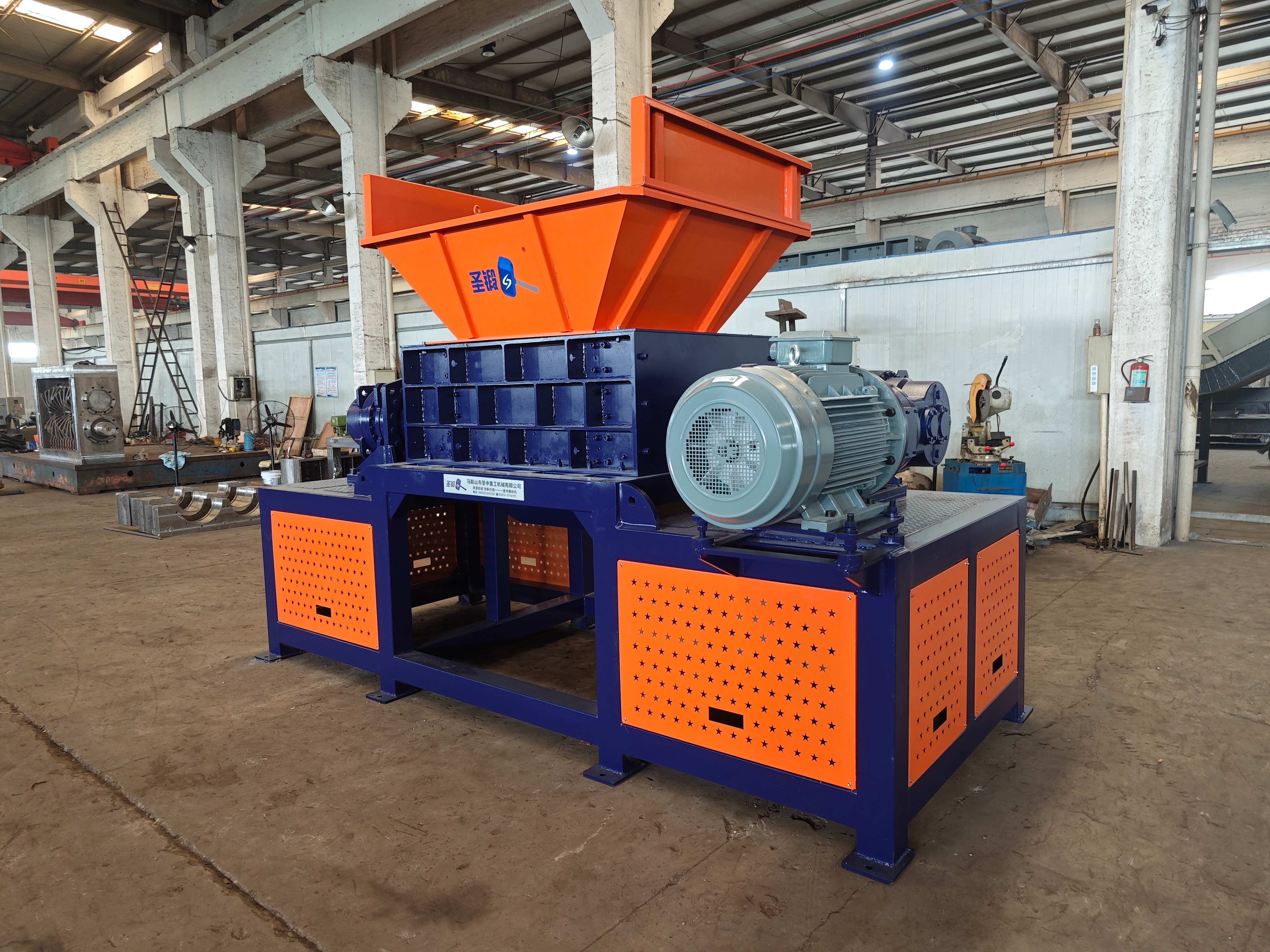
Selecting the right feed rates for your industrial shredder depends heavily on the material you're processing. Hard metals like steel or copper require slower, controlled feeds to prevent wear on cutting blades, while softer plastics can often handle higher speeds without compromising efficiency. If you're shredding mixed materials, it's crucial to adjust rates based on the toughest component in the batch to avoid equipment strain.
Beyond just hardness, material shape and size significantly impact feed compatibility. Bulky, irregular items may need a gradual, steady feed to ensure even shredding, whereas uniform scraps can be fed more quickly. Always check manufacturer guidelines for specific materials like rubber or composite materials, as their unique properties might demand special settings to prevent clogging or overheating.
A practical tip is to start with conservative feed rates and observe the shredder's response, tuning as needed. This approach not only extends the machine's lifespan but also enhances safety by reducing risks like jams or blade damage. By aligning feed rates with material characteristics, you'll optimize both throughput and operational reliability in your shredding processes.
Motor Power and Torque Considerations for Efficient Operations
When diving into motor selection for industrial applications, power and torque often take center stage, but their interplay is where true efficiency emerges. Rather than simply opting for the highest horsepower available, savvy engineers focus on matching torque curves to load demands. For instance, in conveyor systems, where starting torque requirements can be high but steady-state needs are moderate, selecting a motor with a robust low-end torque profile can prevent energy waste and reduce wear on components. This nuanced approach ensures that operations run smoothly without the excess energy consumption that plagues over-specified setups, leading to cost savings and extended equipment life.
Beyond raw numbers, the relationship between power, torque, and speed is critical for optimizing performance. In variable-speed applications like pumps or fans, torque needs might fluctuate with operational cycles. By analyzing this dynamic, teams can fine-tune motor settings to deliver just enough torque at each speed point, avoiding the inefficiencies of constant full-throttle operation. Practical examples include using soft-start mechanisms that ramp up torque gradually, which not only cuts down on electrical spikes but also enhances system longevity. This tailored strategy helps maintain peak efficiency across diverse conditions, making it a game-changer for energy-intensive industries.
Real-world efficiency gains often hinge on overlooked details like thermal management and maintenance practices tied to torque loads. Motors operating near their torque limits for prolonged periods tend to overheat, degrading insulation and increasing downtime. By implementing predictive monitoring that tracks torque variations alongside temperature data, operators can preempt failures and schedule maintenance proactively. This holistic view transforms power and torque from mere specs into actionable insights, driving sustainable operations that balance performance with resource conservation.
Safety Features and Maintenance Tips for Long-Term Reliability
When it comes to keeping your equipment running smoothly for years, a proactive approach to safety and maintenance can make all the difference. Think of it as building a solid foundation—sturdy safety features like automatic shut-off mechanisms and overheat protection not only prevent accidents but also shield the system from stress, reducing wear and tear over time. By integrating these safeguards from the start, you're essentially future-proofing your setup, ensuring it stays reliable even under heavy use.
To maintain that peak performance, regular check-ups are key—don't wait for things to break down. Simple habits, such as cleaning filters monthly or inspecting cables for fraying, can catch small issues before they snowball into costly repairs. It's like giving your gear a quick tune-up; consistent attention helps it last longer and perform better, saving you money and hassle in the long run.
Over the years, I've seen folks overlook subtle signs like unusual noises or slight temperature changes, which often hint at deeper problems. Staying attuned to these details and following the manufacturer's guidelines for updates and part replacements can keep everything humming along smoothly. Ultimately, combining robust safety features with diligent care transforms routine upkeep into an investment in long-term peace of mind.
Customization Options to Tailor Shredders to Specific Needs
When you're looking for a shredder that fits just right, you'll find plenty of choices to match exactly what you need each day. Instead of settling for a standard model, many manufacturers now offer features like adjustable cutting widths or modular bins that let you tweak the machine on the fly. It’s a bit like having a customizable tool that adjusts to whether you're shredding thin documents or thicker cardstock, making your workflow smoother without extra hassle.
For offices with unique security protocols, there are options to integrate shredders with existing systems, such as adding RFID access or connecting to document management software. This isn't just about basic functionality—it's about creating a seamless fit within your environment. Imagine a shredder that recognizes authorized users automatically or syncs with your digital archives, turning a simple task into a part of your broader data protection strategy.
Beyond the tech specs, personalization extends to physical setup, with choices like mobile stands for easy relocation or specialized shred heads for materials like CDs or credit cards. These aren't just add-ons; they're thoughtful touches that ensure the shredder adapts to your space and tasks. Whether you need quiet operation in a shared area or heavy-duty capacity for bulk shredding, there's likely a tailored solution that feels made for you.
Evaluating Durability and Cost-Effectiveness in Four-Shaft Models
When it comes to choosing the right four-shaft model for your industrial needs, durability and cost-effectiveness are two critical factors that often go hand-in-hand. These machines are built to handle heavy-duty tasks in environments like manufacturing or construction, where long-term performance is non-negotiable. A model that boasts superior durability can withstand harsh conditions and frequent use, reducing downtime and maintenance costs. This resilience translates into significant savings over time, making it a smart investment for businesses looking to maximize their operational efficiency without constant replacements.
Beyond just the initial purchase price, evaluating cost-effectiveness involves considering the total cost of ownership. This includes factors such as energy consumption, spare part availability, and repair expenses. For instance, a four-shaft model with energy-efficient components might have a higher upfront cost but lower utility bills, leading to overall savings. Additionally, models designed with modular parts can simplify repairs, cutting down on labor costs and extending the machine's lifespan. By analyzing these aspects, users can make informed decisions that balance upfront affordability with long-term value.
Real-world performance data and user feedback play a key role in assessing these models. Look for models that have proven track records in similar applications, as this can provide insights into their durability under specific conditions. Industry benchmarks or certifications, like those for efficiency or safety, can also help gauge cost-effectiveness. Ultimately, selecting a four-shaft model isn't just about specs on paper; it's about finding a reliable partner that minimizes expenses while delivering consistent results over the years, ensuring your operations run smoothly and profitably.
FAQ
Four-shaft shredders typically feature multiple interlocking shafts with cutting discs, offering superior shredding capabilities for bulky or tough materials compared to single or dual-shaft models. This design enhances efficiency and reduces clogging in industrial settings.
A properly designed feed system ensures consistent material entry into the shredder chamber, optimizing throughput and preventing jams. Look for features like hydraulic ram feeders or conveyor belts for smooth processing.
Regular maintenance, such as sharpening or replacing cutting discs, checking hydraulic systems, and lubricating moving parts, is essential to avoid downtime and extend the machine's lifespan. Routine inspections can also catch wear early.
Yes, these shredders are versatile and can process materials ranging from plastics and metals to wood and electronic waste. Their robust build and customizable cutting configurations allow adaptation to different input types.
Key factors include material type and volume, desired output size, power requirements, and available space. Assessing these elements helps match the shredder to operational needs for optimal efficiency.
Lower noise models and integrated safety features, such as emergency stops and protective guards, are important for compliance with regulations and ensuring a safe workplace, especially in noise-sensitive or high-risk areas.
Energy usage varies based on material hardness and shredding speed. To enhance efficiency, operators can optimize feed rates, use energy-efficient motors, and conduct regular maintenance to reduce friction and power waste.
Conclusion
When choosing a four-shaft shredder for industrial applications, a comprehensive evaluation of shaft configuration is crucial for achieving optimal shredding performance. The design and layout of the shafts directly impact the efficiency and consistency of material reduction. Understanding how different shaft arrangements—such as interlocking or staggered patterns—affect particle size and throughput can help operations meet specific processing requirements. This foundational aspect sets the stage for integrating other key factors, ensuring that the shredder aligns with the intended industrial use.
Beyond shaft setup, material compatibility and feed rates must be carefully considered to maintain efficient operations. Matching the shredder to the types of materials being processed, such as plastics, metals, or waste, prevents jams and wear, while optimizing feed rates balances productivity with equipment longevity. Motor power and torque are vital for handling varying loads, ensuring smooth shredding under demanding conditions. Additionally, incorporating safety features and regular maintenance practices enhances long-term reliability, reducing downtime and operational risks. Customization options allow businesses to tailor shredders to unique needs, improving adaptability. Finally, assessing durability and cost-effectiveness in four-shaft models ensures a wise investment, balancing upfront costs with performance and lifespan for sustainable industrial shredding solutions.
Contact Us
Contact Person: Leon
Email: [email protected]
Tel/WhatsApp: 8615385558866
Website: https://www.shred-waste.com