

Mold Steel Suppliers: Your Guide to Top-Quality Materials and Reliable Partnerships
2026-04-10
Navigating the complex world of mold steel sourcing can be a daunting task, filled with questions about quality, reliability, and long-term partnerships. In this guide, we delve into the essentials of selecting top-tier materials and forging dependable alliances in the industry, with a spotlight on Jiangsu Baowu New Materials. Known for its innovative approaches and steadfast commitment to precision, this brand stands out as a key player offering solutions that go beyond the ordinary. Join us as we explore how to make informed choices that elevate your manufacturing processes and ensure lasting success.
Understanding Mold Steel Properties for Superior Performance
When it comes to mold steel, the key to unlocking superior performance lies in a deep dive into its core properties. Mold steels, such as P20, H13, and S7, vary widely in their composition, each tailored for specific applications like injection molding or die casting. By understanding factors like hardness, toughness, and thermal conductivity, engineers can select the right grade to withstand high pressures and temperatures, reducing wear and tear over time. This knowledge helps in optimizing mold life and ensuring consistent part quality, making it a critical step in the manufacturing process.
Beyond basic selection, the heat treatment of mold steel plays a pivotal role in enhancing its performance. Proper processes like quenching and tempering can dramatically improve properties such as wear resistance and dimensional stability. For instance, a mold made from H13 steel, when heat-treated correctly, gains excellent resistance to thermal fatigue, crucial for prolonged use in hot environments. This attention to post-processing details often separates average molds from high-performance ones, leading to fewer defects and increased productivity on the shop floor.
In practice, the interplay of alloying elements like chromium, molybdenum, and vanadium defines the unique characteristics of mold steel. These additives influence everything from corrosion resistance to machinability, allowing for customization based on specific project needs. By leveraging this nuanced understanding, manufacturers can push the boundaries of what's possible, achieving molds that deliver precise, repeatable results even under the most demanding conditions. Ultimately, it's this mastery of material science that drives innovation and efficiency in modern molding operations.
Sourcing High-Grade Mold Steel from Trusted Manufacturers
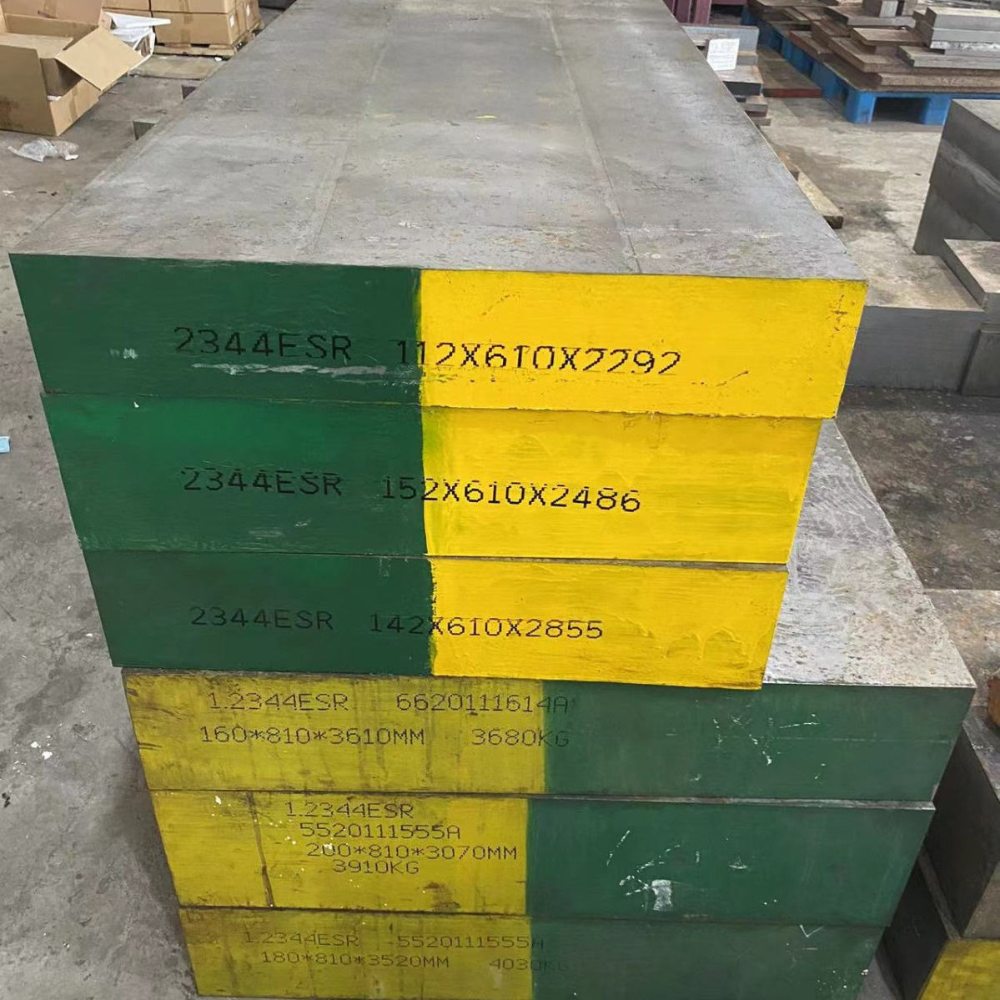
When sourcing high-grade mold steel, it's crucial to partner with manufacturers who have a proven track record in delivering precision and reliability. These trusted suppliers often specialize in advanced materials like H13, P20, or stainless steel grades, offering certifications and quality control processes that ensure consistency. Building long-term relationships with such manufacturers can lead to better pricing and faster turnaround times, as they understand the specific needs of mold-making industries.
In practice, evaluating trusted manufacturers involves more than just checking product specs; it requires assessing their production capabilities, such as heat treatment expertise and surface finishing options. Many top-tier suppliers provide technical support and collaboration, helping you optimize mold designs for durability and performance. This hands-on approach not only reduces defects but also enhances the overall efficiency of your manufacturing process.
Ultimately, sourcing from reputable sources minimizes risks associated with substandard materials that can lead to costly downtime or product failures. By prioritizing trusted manufacturers, you invest in steel that withstands high pressures and temperatures, ensuring molds last longer and maintain dimensional accuracy. This strategic choice supports seamless production cycles and boosts your competitive edge in demanding markets.
Evaluating Supplier Credentials and Industry Experience
When it comes to choosing a supplier, digging into their credentials and past experience isn't just a box-ticking exercise—it's a crucial step to ensure your project runs smoothly. Think of it like vetting a candidate for a key role in your business: you wouldn't hire someone without checking their resume and references, right? Start by asking for certifications, licenses, or memberships in relevant industry associations that demonstrate their commitment to standards and ongoing education. Don't just take their word for it; verify these details online or through third-party sources to avoid any surprises down the line. This initial deep dive can reveal a lot about their professionalism and reliability, setting the stage for a partnership built on trust.
Beyond the paperwork, look into their industry experience with a critical eye. How long have they been in the game? What kind of projects have they tackled, especially ones similar to yours? An experienced supplier often brings more than just skills—they offer insights from past challenges and successes, which can save you time and money. For instance, if they've handled complex supply chains or stringent quality controls before, they're likely to anticipate issues that might stump a novice. Ask for case studies or client testimonials to get a real feel for their track record; a supplier with a solid history of delivering on promises is usually a safer bet than one with flashy claims but little proof.
Lastly, don't overlook the human side of their experience. Engage in conversations with their team to gauge their expertise firsthand—are they quick to understand your needs and offer thoughtful solutions? A supplier with seasoned staff who've weathered industry shifts can adapt more easily to your evolving requirements. Remember, it's not just about checking off a list; it's about finding a partner who's been around the block and knows how to navigate the twists and turns, making your collaboration feel more like a well-oiled machine than a gamble.
Navigating Cost vs. Quality in Mold Steel Procurement
In the world of mold steel procurement, striking the right balance between cost and quality often feels like walking a tightrope. Many procurement teams find themselves caught between budget constraints and the pressing need for durable, high-performance materials that can withstand demanding production environments. It's not just about finding the cheapest option; it's about understanding how material longevity, tool wear, and maintenance costs affect the total cost of ownership over a mold's lifecycle.
One practical approach is to assess the specific requirements of your molding project upfront. For low-volume or prototype work, a more economical grade might suffice, saving initial outlays without sacrificing functionality. Conversely, for high-volume production runs, investing in premium steel with superior hardness and corrosion resistance can prevent costly downtime and frequent replacements, ultimately paying off through enhanced efficiency and reliability. Engaging with suppliers who provide detailed material certifications and performance data can help tailor choices to your exact needs.
Ultimately, successful navigation hinges on viewing procurement as a strategic decision rather than a mere transactional purchase. By fostering close collaborations with trusted suppliers and leveraging insights from past projects, companies can develop nuanced buying criteria that align financial goals with operational excellence, ensuring molds deliver value long after the initial invoice is paid.
Building Long-Term Partnerships with Reliable Suppliers
When businesses start looking beyond quick wins and focus on sturdy, enduring supplier connections, they unlock a whole new level of operational ease and growth potential. It's like having a reliable partner who shares your long-term vision, not just fulfilling orders on time. This approach transforms the transactional nature of sourcing into something more collaborative, where both parties actively invest in mutual success, leading to smoother supply chains and better resource management.
Building these partnerships isn't about cutting corners or squeezing every last penny; it's about fostering trust and open communication, which often results in cost efficiencies and innovation over time. Suppliers who feel valued and secure are more likely to go the extra mile, offering tailored solutions and early insights into market trends. This proactive collaboration can give companies a competitive edge, making them more agile and resilient in fluctuating markets.
In the end, the real magic of long-term supplier relationships lies in their ability to evolve with your business. They become an integral part of your strategic planning, helping navigate challenges and seize opportunities together. By prioritizing reliability and shared goals, companies can create a sustainable network that not only supports current needs but also paves the way for future growth and success.
Ensuring Material Consistency and Timely Deliveries
At our core, we prioritize maintaining high-quality materials across every batch, ensuring that each product meets rigorous standards for durability and performance. This commitment starts with sourcing raw materials from trusted suppliers who share our dedication to excellence, coupled with thorough quality checks at multiple stages of production to catch any deviations early on.
To guarantee timely deliveries, we’ve implemented a streamlined logistics system that optimizes routes and minimizes delays, backed by real-time tracking so you can stay informed about your shipment's progress. Our team works closely with partners to anticipate potential disruptions, allowing us to adapt quickly and keep schedules on track without compromising on material integrity.
By integrating advanced forecasting tools and fostering strong supplier relationships, we not only prevent inconsistencies but also enhance reliability in meeting deadlines. This proactive approach ensures that your projects proceed smoothly, supported by materials you can depend on and deliveries that arrive as promised.
FAQ
When choosing a mold steel supplier, key factors include material quality, certifications like ISO, technical support, delivery reliability, and customer service responsiveness. A reputable supplier should offer detailed specifications and provide samples upon request.
For high-wear applications, consider materials like H13 tool steel, D2, and S7, which offer excellent hardness and durability. These grades are commonly used in demanding industries and can be sourced from suppliers who specialize in performance alloys.
Build a reliable partnership by establishing clear communication, negotiating fair pricing, and setting consistent quality standards. Regular meetings and feedback loops help address issues proactively, while loyalty and transparency from both sides foster trust.
Local suppliers often provide faster delivery, lower shipping costs, and easier communication. They may also offer more personalized service and quicker issue resolution, which can be crucial for tight deadlines.
High-quality mold steel ensures better dimensional accuracy, longer tool life, and reduced defects in finished products. Inferior materials can lead to increased maintenance costs, production delays, and compromised product integrity.
Look for suppliers with experienced engineers who can assist with material selection, heat treatment advice, and troubleshooting. They should provide documentation, such as data sheets and application guides, and be available for consultations.
Yes, reputable suppliers should comply with standards like ASTM, DIN, or JIS, and hold certifications such as ISO 9001 for quality management. This ensures consistent material properties and traceability in the supply chain.
Compare factors like material price, minimum order quantities, lead times, and value-added services. A slightly higher upfront cost might be justified by better quality, technical support, or reliability in the long run.
Conclusion
Navigating the landscape of mold steel suppliers requires a comprehensive approach that blends technical knowledge with strategic relationship-building. Understanding mold steel properties for superior performance is foundational, as different alloys and grades directly impact durability, wear resistance, and overall mold longevity in demanding manufacturing environments. This expertise enables informed decisions when sourcing high-grade mold steel from trusted manufacturers, ensuring that materials meet precise specifications for projects ranging from automotive parts to consumer goods. By evaluating supplier credentials and industry experience, businesses can verify reliability through certifications, client testimonials, and a proven track record in handling complex orders.
Effective procurement also involves navigating cost vs. quality in mold steel procurement, where balancing budget constraints with material excellence prevents compromises that could lead to costly failures or downtime. Building long-term partnerships with reliable suppliers fosters collaboration, allowing for tailored solutions, shared innovations, and consistent support over time. These relationships are bolstered by ensuring material consistency and timely deliveries, which are critical for maintaining production schedules and avoiding disruptions. Ultimately, a strategic focus on both quality materials and dependable partnerships empowers companies to achieve operational efficiency and competitive advantage in the molding industry.
Contact Us
Contact Person: Zoe Liang
Email: [email protected]
Tel/WhatsApp: 86 189 2128 6299
Website: https://www.baowuchina.com