
Revolutionizing Manufacturing with Advanced PE Pipe Machine Solutions
2026-03-29
In the rapidly evolving manufacturing landscape, businesses are constantly seeking innovative solutions to enhance efficiency and sustainability. At the forefront of this transformation lies advanced PE pipe machinery, a key driver in modernizing infrastructure and industrial processes. With cutting-edge technology and precision engineering, these systems are not just tools but catalysts for growth and resilience. For companies aiming to stay competitive, partnering with trusted experts like Yongte can unlock unparalleled advantages. In this blog, we delve into how Yongte's solutions are reshaping the industry, offering insights into the latest trends and practical applications that could redefine your operations. Get ready to explore the future of manufacturing—where innovation meets impact.
Innovative PE Pipe Machinery: Transforming Modern Manufacturing Standards
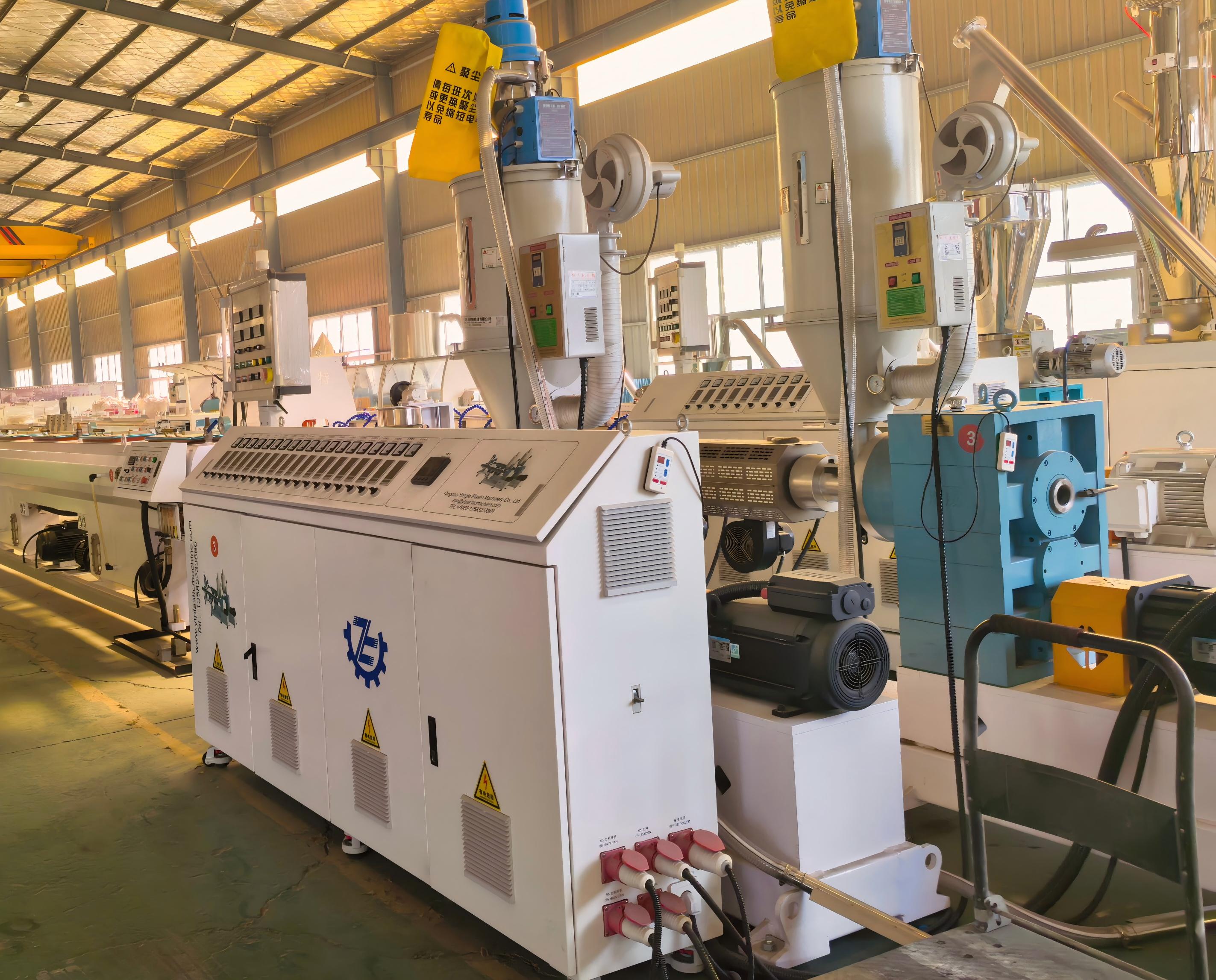
The introduction of cutting-edge PE pipe machinery is revolutionizing pipeline production, pushing boundaries with smarter designs that optimize material usage and enhance flow efficiency. These advancements don't just tweak old methods—they redefine durability and precision, enabling manufacturers to meet increasingly stringent global standards effortlessly.
Beyond basic upgrades, this machinery integrates seamless monitoring and automated controls, reducing human error while slashing production times. It's not merely about speed; it's crafting pipes that withstand extreme conditions, from high pressures to corrosive environments, ensuring long-term reliability with minimal maintenance.
This shift is reshaping industry benchmarks, as companies leverage these innovations to offer eco-friendly, cost-effective solutions. By focusing on smarter manufacturing processes, the sector is setting new quality norms that prioritize safety and sustainability, making it a game-changer for modern infrastructure projects worldwide.
Advanced Automation in Pipe Production: Boosting Efficiency and Precision
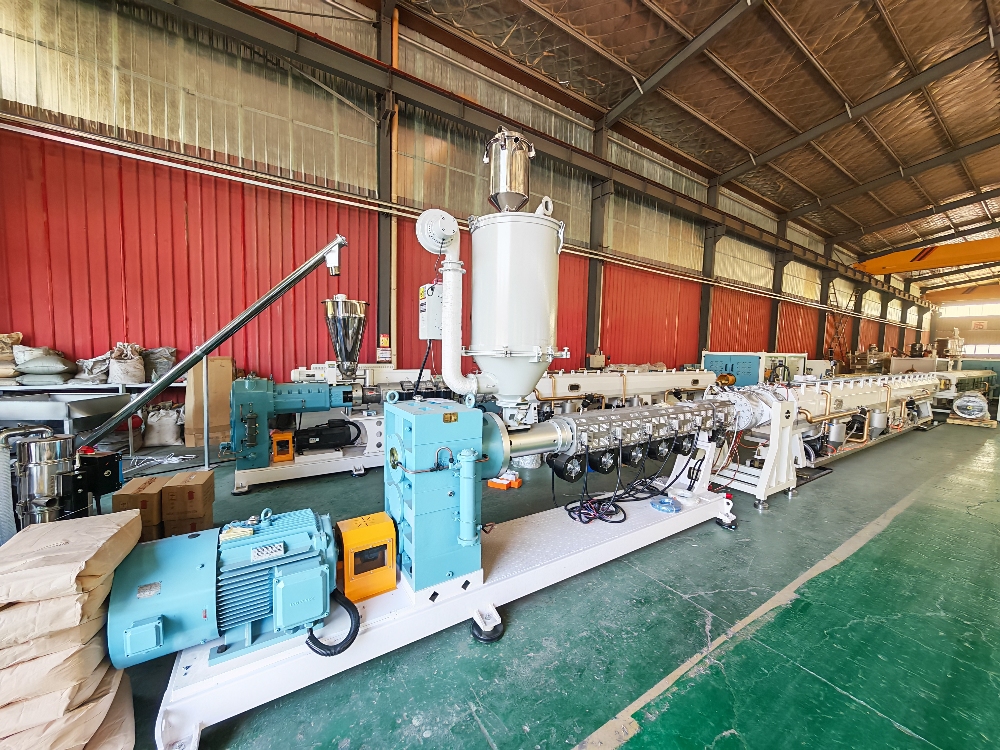
In modern pipe manufacturing, advanced automation systems are transforming operations by integrating robotics and AI-driven control mechanisms. These technologies streamline processes such as cutting, welding, and finishing, reducing human error and significantly cutting down production times. By implementing sensor-based feedback loops, factories can maintain consistent quality standards across batches, ensuring each pipe meets exact specifications without manual adjustments.
Beyond basic mechanization, these systems leverage predictive analytics to anticipate maintenance needs and optimize material usage. This forward-thinking approach minimizes downtime and waste, directly boosting overall efficiency. For instance, automated inspection tools use high-resolution imaging to detect micro-defects early, preventing costly rework and enhancing product reliability in demanding applications like oil and gas pipelines.
Moreover, the precision achieved through automation allows for customization at scale, enabling manufacturers to fulfill diverse client requirements with ease. By combining real-time data monitoring with adaptive manufacturing techniques, the industry is moving toward smarter, more resilient production lines that not only improve output but also drive innovation in sustainable practices and resource management.
Sustainable and Eco-Friendly Solutions in Pipe Manufacturing Technology
In recent years, the pipe manufacturing industry has increasingly shifted toward sustainability, driven by regulatory pressures and consumer demand for greener products. This push is leading to innovative solutions that reduce environmental impact throughout the production lifecycle. For instance, manufacturers are adopting recycled materials like high-density polyethylene (HDPE) from post-consumer waste, which not only cuts down on landfill usage but also conserves natural resources. Additionally, energy-efficient processes, such as advanced extrusion techniques that minimize heat loss, are becoming standard, helping to lower carbon emissions significantly. These changes are part of a broader effort to create pipes that are durable, cost-effective, and kinder to our planet.
Beyond material choices, the focus on eco-friendliness extends to the entire manufacturing setup. Many companies are integrating circular economy principles, where waste from production is repurposed into new products or used in other industries. For example, scraps from pipe cutting are often ground and reused in the same manufacturing line, reducing overall waste output. Water conservation is another critical area, with closed-loop systems being implemented to recycle water used in cooling and cleaning processes. This not only minimizes water consumption but also prevents contamination of local water sources, showcasing a holistic approach to environmental stewardship that goes beyond mere compliance.
Looking ahead, advancements in technology are paving the way for even more sustainable pipe solutions. Smart manufacturing, powered by IoT sensors and AI, allows for real-time monitoring of production lines to optimize energy use and material efficiency. This leads to less waste and lower operational costs, making eco-friendly practices more accessible to manufacturers of all sizes. Moreover, research into biodegradable and bio-based polymers is gaining traction, promising pipes that decompose safely at the end of their life cycle. As these innovations mature, they're set to redefine industry standards, offering a future where pipe manufacturing not only meets functional needs but actively contributes to a healthier environment.
Customizable PE Pipe Systems for Diverse Industrial Applications
Customizable PE pipe systems have become a go-to solution across various industries, offering unmatched flexibility and durability. Unlike traditional rigid piping, these polyethylene-based systems can be tailored to specific project requirements, whether it's for water supply, gas distribution, or chemical processing. With options for different diameters, pressure ratings, and joint types, engineers can design efficient networks that minimize waste and installation time, making them ideal for both new construction and retrofitting existing infrastructure.
In sectors like agriculture, mining, and manufacturing, PE pipe systems excel due to their resistance to corrosion and environmental stressors. For instance, in harsh mining conditions where pipes face abrasive materials and fluctuating temperatures, customized PE versions with reinforced layers or UV stabilizers ensure long-term reliability. This adaptability allows clients to address unique challenges, such as navigating complex terrains or integrating with automated control systems, without compromising on performance or safety standards.
Beyond technical benefits, the customization process itself empowers businesses to innovate and optimize resource use. By collaborating with suppliers to select materials like high-density polyethylene (HDPE) or medium-density alternatives, organizations can achieve cost-effective solutions that support sustainability goals. This hands-on approach transforms piping from a standard component into a strategic asset, driving efficiency gains and reducing downtime across diverse industrial landscapes.
Cutting-Edge Technology Integration in Pipe Fabrication Processes
In today's fast-paced industrial landscape, integrating cutting-edge technology into pipe fabrication processes is revolutionizing how pipelines are built, ensuring higher precision and efficiency. From advanced robotics that handle complex welding tasks with flawless accuracy to 3D printing techniques that create custom fittings on-demand, these innovations are reshaping traditional methods. By leveraging such technologies, manufacturers can reduce manual errors, minimize waste, and accelerate project timelines, ultimately delivering more reliable and cost-effective solutions for diverse applications, from oil and gas to water distribution systems.
Beyond automation, the use of artificial intelligence and machine learning algorithms is transforming quality control in pipe fabrication. These systems analyze real-time data from sensors embedded in fabrication equipment, predicting potential defects or deviations before they become costly issues. This proactive approach not only enhances product consistency but also allows for adaptive adjustments during production, ensuring that each pipe meets stringent industry standards. As a result, companies are achieving unprecedented levels of safety and performance, making their operations more resilient in competitive markets.
Looking ahead, the fusion of Internet of Things (IoT) devices with cloud-based platforms is enabling seamless collaboration across fabrication stages. Engineers and technicians can monitor processes remotely, share insights instantly, and implement changes with minimal downtime. This connectivity fosters a more agile workflow, where knowledge and resources are pooled efficiently, driving continuous innovation. By embracing these technological integrations, the pipe fabrication sector is not just keeping up with modern demands but setting new benchmarks for sustainability and smart manufacturing.
Future Trends in PE Pipe Machinery: Smart Systems and Enhanced Durability
In the realm of polyethylene pipe manufacturing, a significant shift is underway, moving beyond traditional mechanical systems toward integrated smart technologies. These innovations are not just about adding sensors or automation; they represent a holistic approach where machinery can self-monitor, adjust parameters in real-time based on material variations, and predict maintenance needs before failures occur. For example, advanced extruders now embed IoT connectivity, allowing operators to fine-tune production from remote locations, which boosts efficiency and reduces downtime. This trend is reshaping how factories operate, making them more responsive and data-driven than ever before.
Enhanced durability is another critical frontier, driven by the demand for longer-lasting pipes in harsh environments like underground installations or chemical transport. Manufacturers are experimenting with novel additives and composite materials that resist corrosion, UV degradation, and mechanical stress over decades. By refining extrusion techniques to achieve more uniform molecular structures, these machines produce pipes with superior impact resistance and flexibility. This focus on durability doesn't just extend product lifespans; it also supports sustainable practices by reducing waste and the need for frequent replacements.
Combining these trends, the next generation of PE pipe machinery blurs the line between hardware and software, offering customizable solutions that adapt to specific project requirements. For instance, smart systems in pipe coiling machines can automatically adjust tension and speed to prevent material fatigue, ensuring consistent quality. As industries push for greener infrastructure, these advancements position PE pipe technology as a smart, durable choice for modern water and gas networks, setting new benchmarks in reliability and innovation.
FAQ
Advanced PE pipe machines offer enhanced automation, precision, and energy efficiency, reducing material wastage and improving production speed compared to older models.
By streamlining operations and minimizing errors, these machines lower labor and material costs, leading to faster ROI and better profitability in the long term.
Sectors like agriculture, water supply, and gas distribution see significant advantages due to the improved durability and reliability of pipes produced.
These machines often incorporate eco-friendly designs that reduce emissions and energy consumption, supporting sustainable manufacturing practices.
Initial investment costs and staff training are common hurdles, but many find the long-term gains in productivity and quality outweigh these obstacles.
Through automated controls and real-time monitoring, they maintain strict tolerances and uniformity, ensuring each pipe meets industry standards.
Yes, the adoption of IoT and AI allows for predictive maintenance and smarter production adjustments, boosting efficiency and reducing downtime.
Conclusion
Advanced PE pipe machinery is fundamentally reshaping manufacturing practices by introducing innovative designs that elevate modern production standards. These systems incorporate cutting-edge technology integration in fabrication processes, enabling precise control and enhanced material performance. Through customizable solutions, manufacturers can adapt to diverse industrial applications while maintaining consistency in output quality.
The shift towards sustainable and eco-friendly pipe manufacturing not only reduces environmental impact but also aligns with global regulatory demands. Future trends point to smart systems with improved durability, promising further revolutions in efficiency. As automation advances, these machines boost precision and streamline operations, setting new benchmarks for the industry's growth and resilience.
Contact Us
Contact Person: Ms Qin
Email: [email protected]
Tel/WhatsApp: 8613583233866
Website: https://www.yongteplast.com