

Top 10 Mold Steel Types: Ultimate Guide for High-Performance Tooling
2026-01-28
In the world of high-performance tooling, selecting the right mold steel is not just a technical decision—it's a strategic move that can define the success of your manufacturing projects. With countless options available, navigating the top mold steel types can feel overwhelming, yet it's crucial for achieving durability, precision, and efficiency in demanding applications. At Jiangsu Baowu New Materials, we understand these challenges firsthand, as our commitment to innovation drives us to explore and refine the materials that power the industry. This guide dives deep into the essential steel choices that experts rely on, blending real-world insights with cutting-edge advancements. Whether you're a seasoned engineer or a newcomer to tooling, get ready to discover how the right steel can transform your processes and propel your projects forward. Let's uncover the secrets behind the top 10 mold steel types and why they matter more than ever.
Essential Mold Steel Grades for Precision Tooling Applications
When it comes to precision tooling applications, selecting the right mold steel grade can make all the difference in achieving high-quality results and extending tool longevity. Essential grades such as P20, H13, and S7 are often the go-to choices for manufacturers due to their excellent machinability, toughness, and fatigue resistance. These steels are engineered to withstand the high pressures and thermal cycling inherent in injection molding and die casting processes, ensuring minimal wear and consistent part production over time.
For enhanced performance in demanding environments, premium grades like 420 stainless steel or hot-work steels like H11 and H13 offer superior corrosion resistance and dimensional stability, which are critical for applications involving corrosive materials or extreme temperatures. By leveraging these grades, toolmakers can reduce downtime and maintenance costs while boosting productivity. It's not just about picking any steel; it's about matching the material's properties to specific operational needs—whether it's for intricate medical components or high-volume automotive parts.
Innovations in steel technology continue to push boundaries, with new alloys like microalloyed steels providing improved hardness and wear characteristics without sacrificing toughness. For precision tooling, this means longer tool life and fewer compromises on part accuracy. By staying informed on the latest grades and their applications, manufacturers can optimize their tooling strategies, ensuring that every project benefits from the most suitable and resilient materials available.
Key Features of High-Performance Alloys in Mold Manufacturing
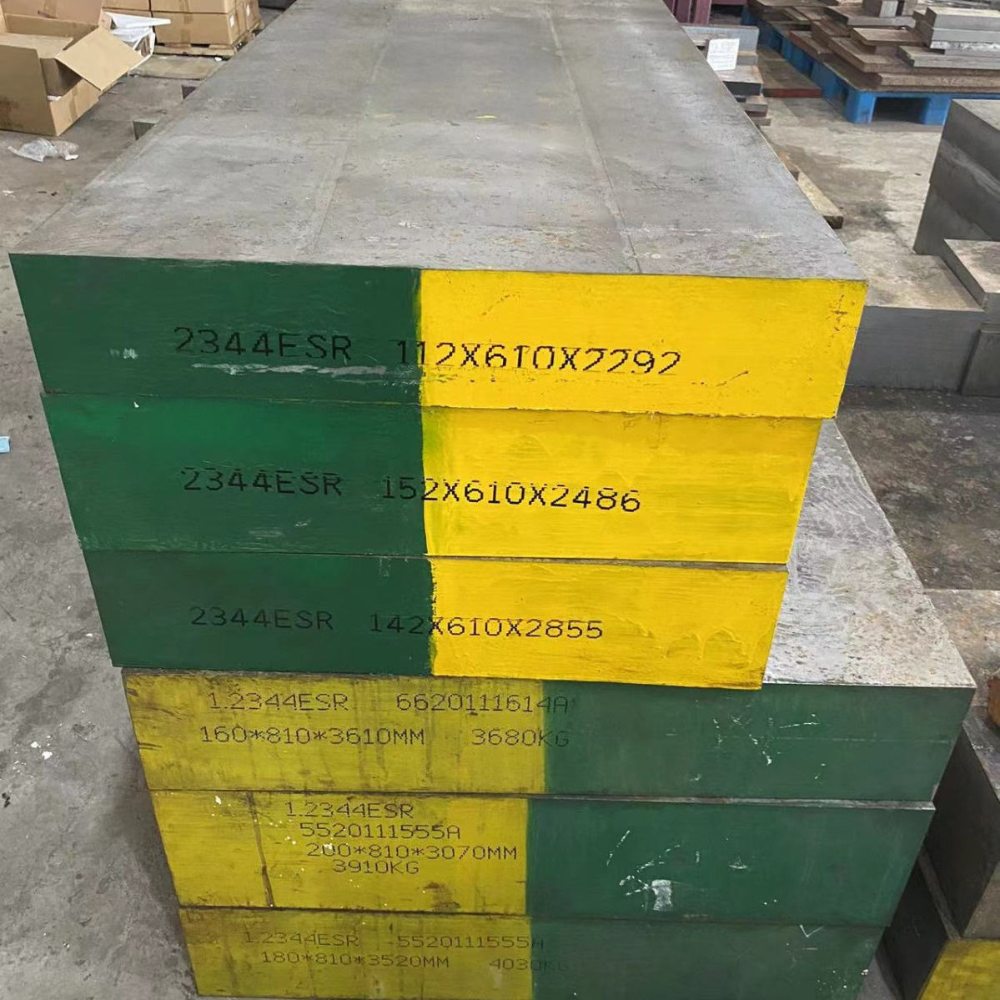
When it comes to mold manufacturing, the right alloy can make all the difference between a tool that lasts for thousands of cycles and one that fails under pressure. High-performance alloys are engineered to withstand intense thermal cycling, abrasive wear, and chemical exposure that molds face daily. Unlike standard materials, these advanced alloys often incorporate elements like chromium, molybdenum, and vanadium to enhance hardness and corrosion resistance. This means molds can produce more parts with tighter tolerances, reducing downtime for repairs or replacements and ultimately saving manufacturers time and money.
Another standout feature is their exceptional thermal stability, which prevents warping or cracking even in high-temperature environments common in plastic injection or die-casting processes. Alloys like H13 tool steel have become industry favorites for their ability to maintain structural integrity at temperatures up to 600°C. This stability ensures consistent part quality across long production runs, minimizing defects and scrap. Additionally, many high-performance variants offer improved machinability, allowing for faster processing and intricate mold designs without compromising durability.
Durability is further boosted by advanced surface treatments and microstructural enhancements, such as grain refinement and precipitation hardening. These features help molds resist galling, pitting, and fatigue, extending their service life in demanding applications like automotive or aerospace components. By leveraging these alloys, manufacturers can push the limits of precision and efficiency, turning complex designs into reality with fewer compromises on performance or longevity.
Selection Criteria for Choosing Mold Steel Based on Project Needs
When selecting mold steel for your project, start by closely examining the specific requirements of the mold's application. Factors like the expected production volume, type of material being molded (whether plastic, metal, or composites), and the operating environment (such as temperature and corrosion exposure) all play pivotal roles. For instance, high-volume runs with abrasive materials often demand steels with superior wear resistance and toughness, like premium grades of P20 or H13. Conversely, lower-volume or prototype molds might be better served by more economical options, balancing cost without sacrificing essential performance.
Another crucial aspect is understanding the steel's mechanical properties in relation to the mold's design complexity. If your design involves intricate details or thin walls, prioritize steels with good machinability and uniform hardness to prevent issues during fabrication, such as cracking or distortion. Heat treatment capabilities also matter—some projects benefit from pre-hardened steels to reduce lead times, while others require through-hardening for optimal durability. Considering factors like thermal conductivity and dimensional stability under stress can further refine your choice, ensuring the mold withstands the rigors of production without premature failure.
Beyond technical specs, factor in practical considerations like availability, lead times, and overall project budget. Sourcing a specialized steel might offer performance advantages but could delay timelines or inflate costs. Engaging with suppliers to discuss their steel varieties and real-world application experiences can provide valuable insights. Ultimately, selecting mold steel is a nuanced decision that hinges on aligning material properties with your project's unique demands, aiming for a balance between performance longevity and economic feasibility for successful outcomes.
Heat Treatment Processes to Enhance Mold Durability and Performance
Heat treatment processes are critical for boosting mold durability and performance, as they fine-tune the microstructure of steel or other mold materials to withstand the harsh conditions of manufacturing. Techniques like quenching and tempering can significantly increase hardness, reducing wear and tear from high-volume production cycles. By carefully controlling temperature and cooling rates, these methods enhance resistance to thermal stress and mechanical deformation, ensuring molds maintain precision over time without premature failure.
Beyond basic hardening, advanced heat treatments such as nitriding or carburizing introduce surface modifications that create a tough outer layer while keeping the core ductile. This dual-phase approach prevents cracks and extends mold life under repetitive loads, making it ideal for applications in industries like automotive or aerospace where durability is paramount. Tailoring these processes to specific mold designs can lead to noticeable improvements in ejection efficiency and reduced maintenance downtime.
Innovation in heat treatment also includes cryogenic treatments, which stabilize the material by reducing residual stresses and enhancing dimensional stability. When combined with traditional methods, this holistic strategy not only elevates performance but also allows for more complex mold geometries to be produced reliably. Ultimately, investing in optimized heat treatment protocols pays off by cutting costs and boosting productivity through longer-lasting, high-performance molds.
Comparing Popular Mold Steel Types: Strengths and Limitations
When selecting mold steel for industrial applications, engineers often weigh the distinct advantages and drawbacks of widely used grades like AISI P20, H13, and S7. AISI P20, a pre-hardened steel, is favored for its ease of machining and good polishability, making it a go-to for medium-duty injection molds. However, its moderate wear resistance can limit its use in high-volume production runs. In contrast, H13, a hot-work tool steel, excels in high-temperature environments, offering excellent thermal fatigue resistance and toughness, which is crucial for die-casting molds exposed to extreme heat. Yet, its higher cost and need for heat treatment add complexity to the manufacturing process.
Another contender, S7 steel, stands out for its shock resistance and ability to withstand impact without chipping, ideal for molds subjected to heavy loads like forging or stamping. While it provides good machinability and dimensional stability, it may fall short in corrosion resistance compared to stainless variants, requiring additional surface treatments in humid conditions. These trade-offs highlight that no single steel type is universally superior; the choice often hinges on specific factors such as production volume, operating temperatures, and budget constraints, urging manufacturers to tailor their selection to the mold's unique demands.
To navigate these options effectively, consider real-world scenarios: For instance, in automotive part manufacturing where molds face cyclic heating, H13's durability might justify its premium, whereas for prototyping or low-batch items, P20's affordability and simpler processing could be more practical. Innovations in steel alloys continue to blur these lines, with newer grades offering enhanced properties like improved hardness or corrosion resistance, but understanding the core strengths and limitations of popular types remains key to optimizing mold performance and longevity in diverse industrial settings.
Practical Tips for Maintaining and Extending Mold Tool Lifespan
Keeping your mold tools in top shape isn't just about occasional cleaning—it's a consistent practice that pays off in reduced downtime and lower replacement costs. Start by establishing a regular maintenance schedule tailored to your specific mold usage. For instance, if you run high-volume production, consider daily inspections for wear, while lighter operations might benefit from weekly checks. Document everything, from when you last serviced the mold to any adjustments made; this log helps spot patterns and prevent minor issues from escalating.
When it comes to extension, think beyond basic upkeep. Optimize cooling systems to prevent overheating, as excessive thermal stress can weaken tool materials over time. Use high-quality lubricants designed for molds, applying them precisely to reduce friction without attracting contaminants. Also, train operators on proper handling techniques—simple actions like avoiding dropped parts during setup can significantly boost longevity. Remember, a well-maintained mold not only lasts longer but also produces higher-quality parts consistently.
For a unique edge, consider implementing predictive maintenance strategies. Technologies like sensors that monitor vibration or temperature can alert you to potential failures before they happen, allowing for proactive repairs. Partner with tooling specialists for periodic assessments; their expertise might reveal subtle improvements in material selection or design tweaks that enhance durability. By blending routine care with innovative approaches, you'll see your mold tools withstand more cycles, saving resources and boosting overall efficiency in your operations.
FAQ
High-volume injection molding demands steels with excellent thermal conductivity to dissipate heat quickly, superior wear resistance to handle abrasive materials, and consistent hardness retention to prevent deformation over thousands of cycles. These steels often incorporate alloying elements like chromium, molybdenum, and vanadium to optimize performance under stress.
Stainless steel grades like 420 and 440C are favored for their corrosion resistance, which is essential in molding processes involving corrosive materials like PVC or in humid environments. This resistance prevents pitting and rust, ensuring long mold life and maintaining dimensional accuracy without frequent maintenance.
The steel's grain structure and polishability directly affect surface finish. Finer-grained steels, such as those with a high purity and uniform microstructure, yield smoother molds that produce glossy, defect-free parts. Poorly chosen steel can lead to orange peel effects or uneven textures in the final product.
Key considerations include dimensional stability during heat treatment, minimal distortion under thermal cycling, and the ability to hold tight tolerances. Steels with low coefficients of thermal expansion and high toughness are prioritized to ensure accuracy and durability in complex geometries.
Hardness provides wear resistance and prevents deformation under pressure, but excessive hardness can lead to brittleness and cracking. Engineers balance this by selecting steels that offer optimal hardness (e.g., 45-55 HRC) with sufficient toughness, often achieved through alloying and proper heat treatment to absorb impacts without failure.
Pre-hardened steels save time and cost by eliminating the need for secondary heat treatment, reducing warping risks. They are ideal for prototype molds or low-to-medium production runs. However, they may have lower maximum hardness and wear resistance compared to through-hardened steels, limiting use in high-abrasion scenarios.
Advanced steels, such as those with added tungsten or cobalt, offer enhanced hot hardness and thermal fatigue resistance. They maintain structural integrity at elevated temperatures, preventing cracking or softening when molding materials like PEEK or PPS, which require higher processing heats.
Regular cleaning to remove residues, proper storage in dry conditions to prevent corrosion, and periodic inspections for wear or damage are crucial. Using compatible lubricants and avoiding overheating during operation also help preserve the steel's properties and prolong mold usability.
Conclusion
The Ultimate Guide for High-Performance Tooling outlines essential mold steel grades for precision applications, emphasizing alloys like P20, H13, and S7. Each is chosen for specific project needs based on criteria such as hardness, thermal conductivity, and wear resistance. The guide details heat treatment processes to enhance durability, like tempering and nitriding, crucial for extending tool lifespan in demanding manufacturing environments.
It compares popular types, highlighting strengths like P20's machinability and limitations like H13's susceptibility to thermal fatigue. Practical tips include regular maintenance and proper storage to prevent corrosion. By integrating these aspects, the guide serves as a comprehensive resource for selecting and optimizing mold steels, ensuring high-performance tooling that stands out in industrial applications.
Contact Us
Contact Person: Zoe Liang
Email: [email protected]
Tel/WhatsApp: 86 189 2128 6299
Website: https://www.baowuchina.com