

UV Digital Printer Company: Innovating High-Speed, High-Resolution Printing Solutions for Modern Businesses
2026-06-17
In today’s fast-paced business landscape, standing out requires more than just quality—it demands speed, precision, and innovation. UV digital printing has redefined what’s possible, but few companies truly push the boundaries. Enter Danmajet, a trailblazer in high-speed, high-resolution printing solutions. Whether you’re creating vibrant signage, custom packaging, or intricate industrial prints, Danmajet’s technology doesn’t just keep up—it sets the pace. In this blog, we’ll explore how their cutting-edge UV printers are empowering modern businesses to turn bold ideas into stunning reality, faster than ever before.
Redefining Print Speed Without Sacrificing Detail
Achieving rapid print speeds once meant compromising on fine details, but that trade-off is no longer necessary. Advanced precision engineering now enables printers to maintain exceptional accuracy even at accelerated rates, thanks to improved motion control and intelligent nozzle technology. The result is crisp text and vivid images produced in a fraction of the time, letting your projects maintain professional quality without the wait.
What truly sets this apart is the seamless integration of speed-focused hardware with adaptive print algorithms. By dynamically adjusting dot placement and ink flow in real time, the system ensures every edge stays sharp and every gradient smooth—no matter how fast the page exits. It’s a harmonious balance that keeps intricate graphics and bold designs equally polished, making rushed deadlines feel effortless.
Precision Imaging for Demanding Commercial Applications
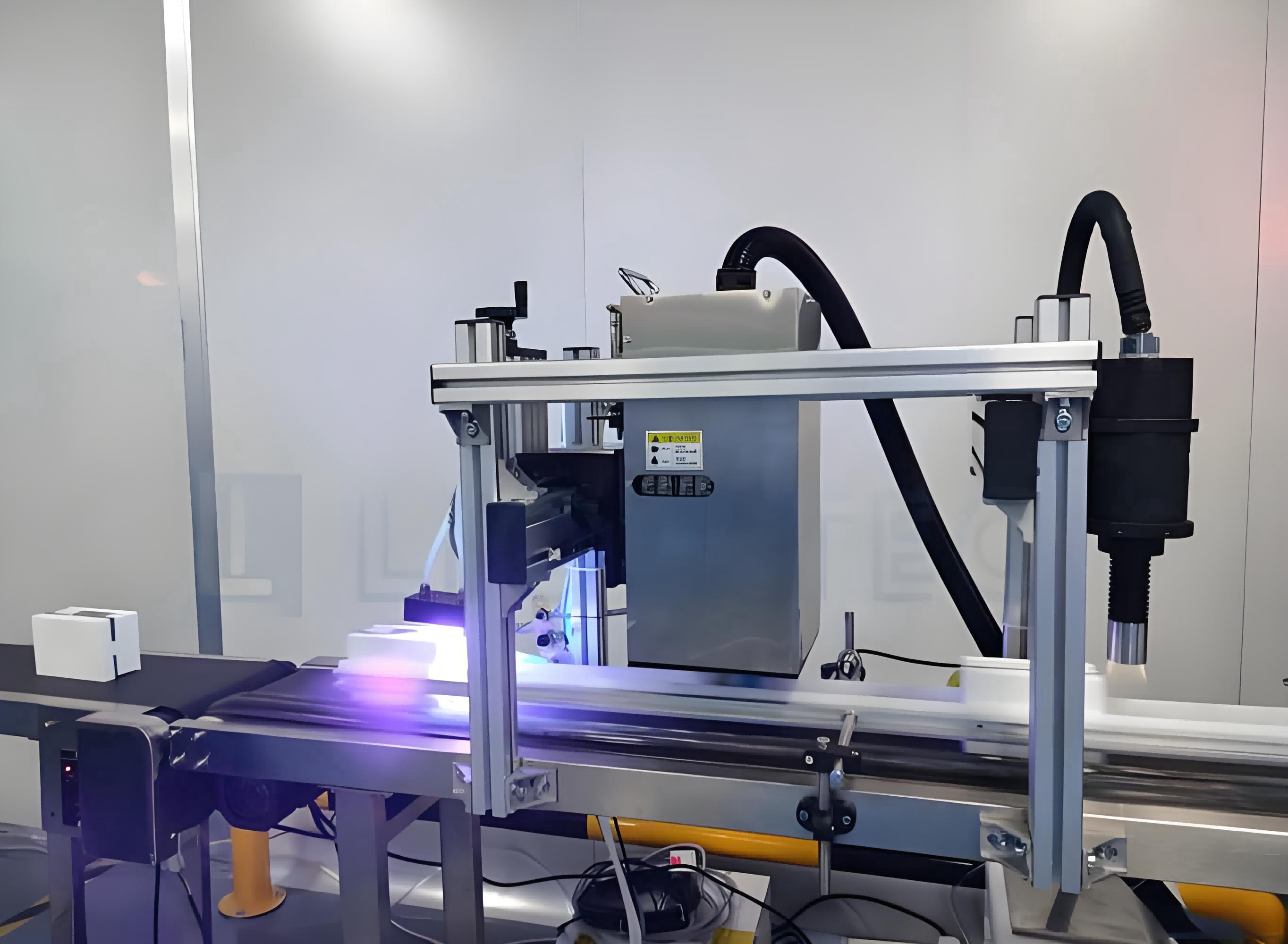
When every pixel counts and there’s no room for error, commercial imaging systems must deliver consistency under real-world stress. From high-volume food inspection to intricate electronics testing, the hardware needs to resolve fine details without slowing down the line. Advanced optics paired with purpose-built sensors capture texture, color, and shape in a single pass, catching defects that slip through conventional setups.
The real challenge isn’t just resolution—it’s repeatability across shifts, temperatures, and lighting variations. Custom illumination profiles and tightly calibrated lenses ensure that what you see at 10 AM is identical to what you see at midnight. This reliability turns raw image data into actionable insights, reducing false rejects and keeping throughput high in packaging, printing, and surface inspection tasks.
Beyond static shots, real-time applications like robotics guidance and autonomous vehicle navigation demand ultra-low latency without compromising clarity. Global shutter sensors and on-camera processing minimize motion artifacts, while ruggedized housings shrug off dust, vibration, and washdown procedures. It’s this fusion of optical precision and industrial toughness that lets businesses scale their most critical imaging operations without fear of downtime.
Adaptable UV Technology Across Diverse Substrates
Modern UV curing systems no longer treat surface variation as a limitation but as a design parameter. By tuning wavelength, intensity, and exposure geometry, these solutions lock inks, coatings, and adhesives onto materials ranging from porous paper to slick polymers and heat-sensitive films. Operators can switch between substrates without swapping lamps or recalibrating entire lines, because the technology adapts in real time to differences in surface energy, texture, and thermal tolerance.
The secret lies in multi-spectral emitters and responsive control loops. Instead of relying on a single peak wavelength, advanced arrays blend UV-A, UV-B, UV-C, and sometimes visible light to trigger curing across varied chemistries and penetration depths. Feedback from inline sensors detects subtle shifts in gloss, tack, or refractive index, adjusting the dose on the fly so that flexible packaging receives the same finish reliability as rigid displays. This adaptability eliminates the trade-off between adhesion and brittleness that once plagued mixed-substrate workflows.
Field results bear out the flexibility. Print shops running hybrid jobs—from corrugated board to metalized labels—report fewer rejects and faster throughput because the UV stage automatically compensates for absorbency and reflectivity. The same lamp bank that anchors a thick white underbase on dark textile can harden a gossamer clear coat on acrylic without scorching. That breadth of substrate compatibility, delivered without manual intervention, turns the production floor into a genuinely continuous process rather than a series of stop-and-check steps.
Streamlined Workflows for Today’s Business Environments
Modern work environments demand a level of agility that outdated, step-heavy processes simply can't provide. By trimming unnecessary steps and aligning tools to how teams actually collaborate, companies are discovering that speed doesn't have to come at the expense of quality. The shift isn't about doing more with less—it's about reducing the mental overhead that bogs down daily tasks, so people can focus on outcomes that move the needle.
Effective streamlining goes beyond simple digitization. It requires a thoughtful look at the invisible barriers between departments, the handoffs that leak momentum, and the approvals that stall progress. When teams map out their actual workflows—not the idealized versions—they often find surprising opportunities to remove friction. The result is a quieter operational rhythm where information flows freely, and decisions happen closer to the work itself.
Built for Reliability in High-Volume Production
Every unit that leaves our line carries a design philosophy rooted in redundancy and rigorous tolerance control. From the initial CAD layout to the final assembly stage, each subsystem is engineered to compensate for potential variances, ensuring that no single point of failure can disrupt continuous operation. This approach has proven itself in facilities running three shifts a day, where downtime simply isn’t an option.
Materials and components aren’t just selected from catalogs; they undergo a multi-stage vetting process that includes accelerated life testing and thermal shock cycling. Only parts that demonstrate consistent performance beyond published ratings make it into our supply chain. This upfront rigor minimizes infant mortality and keeps the production line humming, even when ambient conditions fluctuate.
What really sets our process apart is the feedback loop between production data and design refinement. Real-time monitoring captures subtle drift long before it becomes a reject, triggering automatic adjustments. Coupled with a culture that empowers operators to flag anomalies without hesitation, we maintain a defect rate that rivals bespoke manufacturing, but at high-volume throughput.
Eco-Conscious Operation with Advanced Curing Systems
Modern curing systems are being reimagined with a strong focus on reducing environmental impact while maintaining high production efficiency. By integrating precise temperature controls and energy-recovery mechanisms, these advanced setups significantly cut down on power consumption and greenhouse gas emissions. The shift from conventional thermal processes to low-energy alternatives not only shrinks the carbon footprint but also aligns with stricter environmental regulations without compromising on throughput or cure quality.
At the core of this eco-conscious approach is the adoption of alternative curing technologies, such as UV-LED and electron-beam systems, which eliminate the need for solvent-laden coatings and drastically reduce volatile organic compound (VOC) emissions. These methods cure materials almost instantly, slashing cycle times and enabling leaner, cleaner operations. Additionally, smart sensors and automated process optimization further contribute by dynamically adjusting parameters to avoid over-curing and material waste, turning the entire operation into a more resource-efficient and responsible part of the manufacturing chain.
Beyond equipment innovation, eco-friendly curing embraces a holistic philosophy that extends to material selection and workflow design. Manufacturers are increasingly favoring bio-based resins and recyclable composites that cure at lower temperatures, while closed-loop cooling and exhaust filtration systems minimize water and air pollution. This comprehensive mindset transforms curing from a simple production step into a strategic lever for sustainability, proving that industrial progress and environmental stewardship can advance hand in hand.
FAQ
UV digital printing uses ultraviolet light to instantly cure inks, allowing for faster production and the ability to print on a wide range of materials—from rigid boards to flexible films—without the drying time needed by solvent or water-based systems.
Our printheads and UV curing systems are engineered in tandem, delivering rapid ink deposition followed by immediate LED curing. This synchronized design maintains sharp details and vibrant colors even at speeds exceeding 100 linear feet per minute.
Yes. Our flexible ink formulations and adjustable lamp positioning let you print directly onto materials like wood grain, brushed metal, or contoured plastics, achieving adhesion and clarity that feel natural to the surface.
Signage shops, packaging producers, custom promotional firms, and interior decorators all use our machines. Anyone needing short-run customization, rapid turnaround, or the ability to personalize products on-demand finds a direct fit.
We use low-VOC, LED-curable inks that emit no ozone and require no exhaust venting. This cuts energy use, reduces chemical exposure for operators, and aligns with increasing sustainability demands in manufacturing.
Beyond standard warranty, we offer remote diagnostics, scheduled preventive maintenance, and local training sessions. Our technicians help calibrate color and fine-tune mechanics to keep your printer running at peak performance.
Absolutely. Our systems support common RIP software and file formats, plus we offer plug-ins for major design applications. This allows seamless job submission from prepress to finishing without reworking your current processes.
Conclusion
UV Digital Printer Company has redefined what high-speed printing can achieve by delivering exceptional resolution without the usual trade-offs. Their latest systems produce crisp, vibrant images at rapid throughput, making them ideal for commercial environments where every detail matters. From rigid signage to flexible packaging, the printers handle an impressive range of substrates—glass, wood, acrylic, and more—seamlessly adapting to each material’s unique surface. This versatility is complemented by streamlined workflows that integrate directly into modern production lines, reducing setup time and eliminating bottlenecks. Operators benefit from intuitive controls and automated calibration, ensuring consistent output even across complex jobs.
Designed for demanding high-volume operations, the equipment is built with robust components and smart diagnostics that minimize downtime. Advanced UV curing systems not only speed up the drying process but also operate with greater energy efficiency and lower emissions, aligning with eco-conscious business goals. Together, these innovations empower businesses to meet tight deadlines and expand their creative possibilities, all while maintaining a lean, sustainable production footprint. UV Digital Printer Company continues to push the boundaries of what’s possible, offering a dependable solution that grows with modern businesses.
Contact Us
Contact Person: Jacky
Email: [email protected]
Tel/WhatsApp: 086 15000607053
Website: https://www.danmajet.com