

VoWiFi & VoLTE Deployment: The Professional's Blueprint for Success
2026-05-17
Deploying VoWiFi and VoLTE isn't just another checkbox on your network roadmap—it's the linchpin for seamless voice experiences in a 5G-driven world. Yet, many operators stumble on the hidden complexities: handover glitches, QoS inconsistencies, and the dreaded ‘silent call’ syndrome. That’s where a battle-tested blueprint makes all the difference. At IPLOOK, we’ve distilled years of field-hardened insights into a practical guide that goes beyond vendor whitepapers. Whether you're grappling with IMS integration or balancing legacy CSFB fallback, this post unpacks the strategic moves that separate successful rollouts from costly do-overs. Dive in to discover how a lean, cloud-native core can turn your voice services into a competitive weapon—not a headache.
Decoding the VoLTE Rollout Blueprint
Every VoLTE deployment starts with a careful balance between coverage, capacity, and device readiness. Operators must first assess their existing IMS core infrastructure, because without a solid foundation, the voice-over-packet experience crumbles under real-world load. Instead of blindly following generic rollout guides, successful teams treat this phase like a forensic audit—testing call quality under varying radio conditions, mapping out handover behavior between LTE and legacy networks, and sweating the small stuff like eSRVCC timing thresholds that most planning docs gloss over.
Then comes the rhythm of phased activation, which far too many operators misread as a green light for big-bang launches. The smarter path strings together controlled market trials that intentionally stress specific network nodes—think peak-hour calling spikes in dense urban pockets, or mobility tests along high-speed rail corridors. These aren't just checkbox exercises; they expose hidden choke points in signaling, media resource handling, and QoS enforcement that lab simulations can't replicate. It's during these gritty trials that the real blueprint emerges, shaped more by field failures than pre-launch slide decks.
Finally, the blueprint lives on long after the first commercial calls connect. Monitoring post-launch performance means sifting through SIP trace data not just for dropped calls, but for subtle degradation patterns—jitter creeping up during handovers, silent call setups traced back to third-party app interference, or intermittent RTP issues that device logs barely catch. The teams that sustain VoLTE quality are the ones that treat the rollout as a living document, constantly refining thresholds and retuning timers based on how actual subscribers use the service, not how planners imagined they would.
VoWiFi: Turning Dead Zones into Connected Spaces
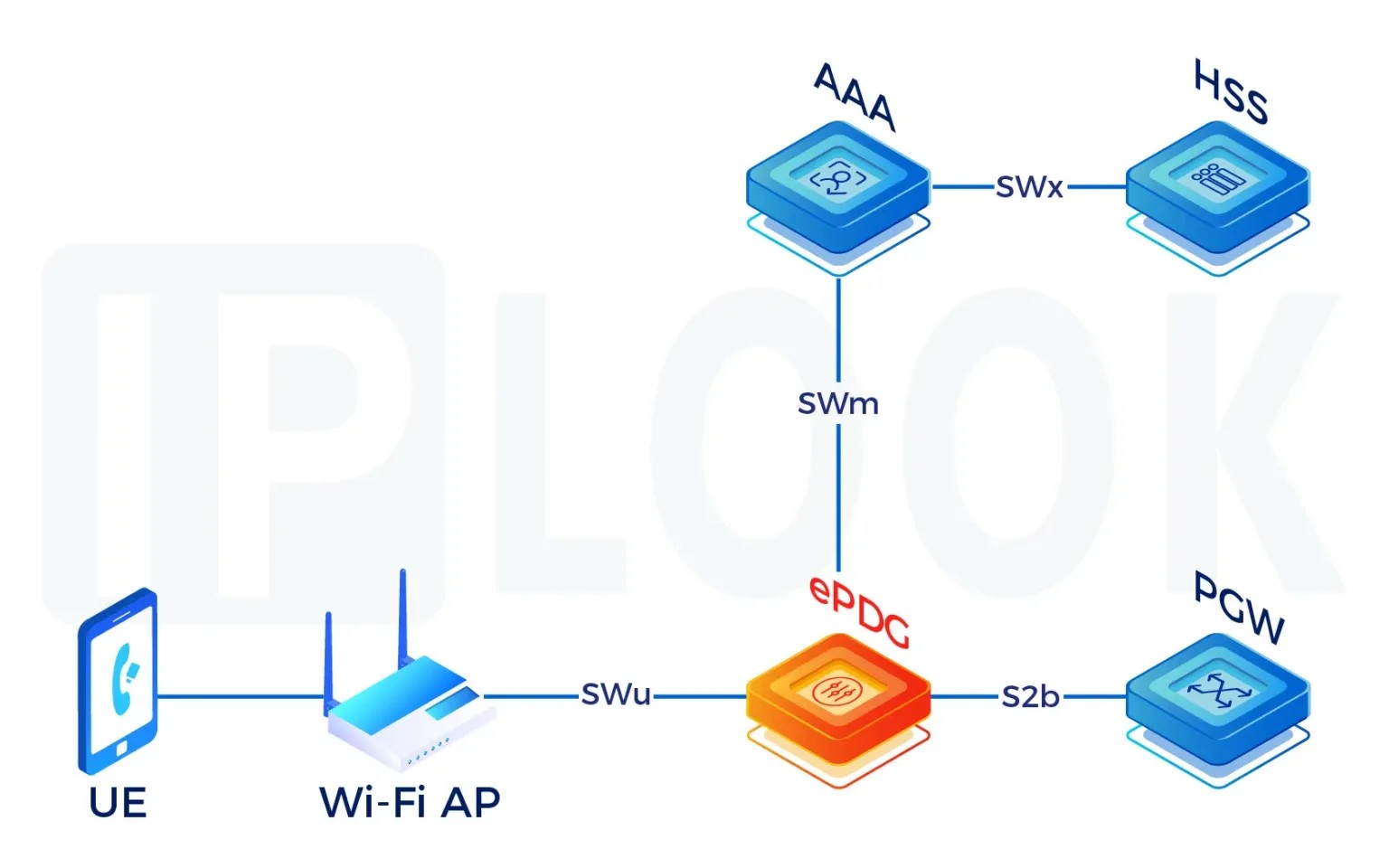
Spotty cellular coverage indoors can turn a simple phone call into a frustrating chase for signal. VoWiFi steps in as a quiet fix, letting your phone route calls through any stable Wi-Fi network instead of hunting for a cell tower. It’s not a separate app or a complicated setup—just your regular dialer, working behind the scenes to fill those coverage gaps.
What makes VoWiFi stand out is how naturally it blends into everyday use. When you walk from your living room into the garage, the call can hand off smoothly between Wi-Fi and mobile networks without cutting out. It’s built into most modern smartphones and works with your existing number, so there’s nothing extra to manage.
Think about those spots where you’ve learned to say “I’ll call you back”—basements, concrete stairwells, rural corners. VoWiFi reclaims them as usable spaces, no signal booster needed. As long as you’ve got a decent internet connection, your phone becomes useful again in places that used to be dead zones.
Mastering QoS for Distortion-Free Voice
Voice calls crackle, stutter, or drop syllables—not because of bad codecs, but because of neglected packet paths. Quality of Service isn’t a checkbox; it’s a deliberate orchestration of buffers, queues, and timing that keeps each voice frame intact from sender to receiver.
The real challenge lies in distinguishing a flood of backup data from a thin stream of G.729 packets. By assigning strict priority to RTP traffic and pushing everything else into weighted fair queues, you stop a file transfer from chewing up the exact milliseconds a voice packet needs. DSCP markings alone won’t save you—the magic happens when edge switches and core routers consistently honor those tags under load.
Beyond configuration, ongoing tuning separates acceptable calls from crystal-clear ones. Jitter buffers that adapt to live network conditions, combined with proactive monitoring of MOS scores, reveal hidden degradation before users complain. It’s not about over-engineering; it’s about knowing exactly how much slack each hop can afford before a vowel gets lost.
Sidestepping the Costly Deployment Landmines
Deploying software often turns into a minefield where even small oversights can trigger expensive disruptions. A mismatched environment variable, a forgotten database migration, or a library version conflict can send teams scrambling to undo production outages. The aftermath isn’t just time lost; it’s eroded customer trust and engineering hours burned firefighting instead of innovating. Recognizing these hidden triggers early is the first step toward keeping your release process from becoming a recurring nightmare.
The antidote lies in systematizing safeguards that catch problems before they detonate. Immutable infrastructure, where servers are replaced rather than patched, eliminates drift between environments. Comprehensive smoke tests run automatically as part of the pipeline can verify core flows in seconds, while feature flags let you decouple deployment from release, giving you an instant kill switch. Pair these with a blameless postmortem culture, and teams shift from dodging disasters to building resilience into every step.
Ultimately, dodging deployment pitfalls is about treating releases as a continuous discipline rather than a high-wire act. When the path to production is paved with repeatable checks and fast rollback capabilities, the process loses its terror. Resources once spent on all-hands-on-deck fixes get redirected to meaningful work—shipping value steadily and keeping your sanity intact.
The Hidden Mechanics of Seamless Handovers
In mobile networks, a handover happens when your device moves from one cell tower to another without dropping the call or interrupting data flow. What you don’t see is the frantic behind‑the‑scenes negotiation that unfolds in milliseconds. Your phone constantly measures signal strength from nearby towers and secretly sends these reports to the network. The current serving cell then coordinates with the target cell, pre‑allocating resources and synchronizing timing before the switch. It’s a delicate dance where timing windows are so narrow that even a slight delay could cause a split‑second audio glitch you’d notice instantly.
But the real magic lies in the decision algorithms. Network equipment doesn’t just look for a stronger signal; it balances load, avoids ping‑ponging between cells, and factors in user velocity. For instance, a fast‑moving train passenger triggers hard handovers that cut and reconnect quickly, while a pedestrian might enjoy a softer make‑before‑break transition. The system even predicts your path using past movement patterns, so the next tower is ready before you arrive. These hidden mechanics keep your voice clear and your video buffer full, all while you remain blissfully unaware of the complexity unfolding beneath your fingertips.
Future-Proofing Your Voice Network Architecture
Building a voice network that stays relevant means planning for change from day one. It’s less about chasing the latest trend and more about constructing a flexible foundation—one that welcomes new protocols, codecs, and hardware without requiring a complete redesign. Think modular endpoints, software-driven switching, and an architecture that treats updates as routine rather than disruptions. This way, your team can roll out enhancements gradually, responding to shifts in business needs without sacrificing call quality or dependability.
Another often-overlooked aspect is the human element. Future-proofing isn’t just a technical exercise; it involves training staff to manage evolving systems and embracing a culture of continuous improvement. When your people understand the principles behind the architecture, they can troubleshoot creatively and anticipate issues before they escalate. This blend of adaptable technology and skilled oversight ensures your voice network remains robust, no matter how communication habits transform over the coming years.
FAQ
A robust IMS core is non-negotiable, along with adequate backhaul capacity, proper QoS configuration across all network segments, and seamless handover mechanisms between LTE, Wi-Fi, and legacy networks.
It starts with rigorous testing against a broad device matrix, enforcing strict compliance with GSMA IR.51 and IR.92 specifications, and working closely with OEMs to pre-certify firmware versions. Automated regression testing is critical to keep pace with OS updates.
Many focus on air interface encryption but neglect the IMS core's vulnerability to SIP-based attacks and the trust boundaries between untrusted Wi-Fi and the carrier network. Implementing a dedicated SBC for VoWiFi with deep packet inspection and strict access control lists can mitigate these risks.
Phased rollouts allow for gradual validation of KPIs like call setup time, handover success rate, and mean opinion score in live conditions. It also helps isolate and resolve issues without affecting the entire subscriber base, building operational confidence before mass launch.
By implementing dynamic codec adaptation based on real-time network conditions, prioritizing voice packets end-to-end, and deploying proactive monitoring probes that simulate calls to detect degradation before customers notice.
While not mandatory, network slicing can isolate voice traffic into a dedicated logical network with guaranteed latency and bandwidth, enhancing reliability for enterprise or mission-critical communications, especially during network congestion.
Training must cover common Wi-Fi-dependent problems like poor home router configurations, double NAT, and Wi-Fi signal strength. Providing diagnostic tools that can remotely assess the user's local network environment significantly reduces unnecessary truck rolls.
Essential KPIs include call drop rate, successful VoWiFi-to-VoLTE handover ratio, registration success rate, audio latency, jitter, and subjective listening quality scores. Correlating these with network metrics helps pinpoint root causes quickly.
Conclusion
A successful VoLTE rollout isn’t just about ticking boxes; it’s about decoding the intricate blueprint that balances coverage, capacity, and call reliability. Pairing this with VoWiFi transforms notorious dead zones into seamlessly connected spaces, ensuring users never drop a call when stepping indoors. Yet the real artistry lies in mastering QoS—prioritizing voice packets with surgical precision to eliminate jitter and distortion, even when networks strain under peak loads. Without this, even the most ambitious deployment crumbles into a chorus of complaints.
What often separates smooth deployments from costly chaos is the ability to foresee and sidestep hidden landmines—think integration snafus, vendor lock-in, or underestimated backhaul needs. Beneath the surface, the hidden mechanics of seamless handovers orchestrate silent transitions between LTE and Wi-Fi, preserving context with barely a millisecond to spare. None of this endures without future-proofing the architecture: building a voice core that bends to new codecs, slices, and IoT demands without demanding a forklift upgrade. This holistic view is what turns a technical rollout into a lasting strategic advantage.
Contact Us
Contact Person: Shimmy
Email: [email protected]
Tel/WhatsApp: 85253392231
Website: https://www.iplook.com