

Are sterilization systems the fastest way to protect flavor while extending shelf life?
2025-12-16
When I’m talking with beverage, dairy, and sauce producers, the same pressure shows up every time: you need safer product, longer shelf life, and consistent taste without turning your line into a maintenance nightmare. That’s exactly why I keep circling back to INTOP and their sterilization systems as a practical solution that can be configured around real production constraints instead of “one-size-fits-all.”
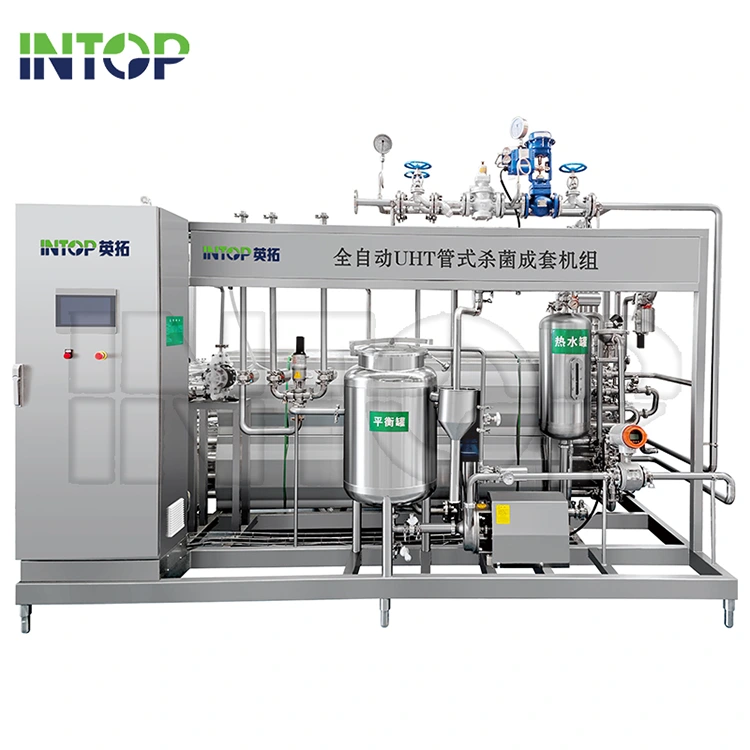
Why do sterilization systems feel so difficult to choose in real factories?
Most buyers don’t struggle with the concept of killing microbes. The struggle is the trade-off: overheating can dull flavor and color, under-processing risks spoilage, and the wrong design can create unstable flow, high pressure drop, or constant fouling. The best sterilization systems are the ones that match your product characteristics, packaging, and automation expectations from day one.
- Product sensitivity Why does the same time-temperature plan behave differently for juice, milk, and syrups?
- Viscosity and particulates What happens when you move from thin drinks to puree, ketchup, or thick dairy blends?
- Packaging format Are you sterilizing before filling, or sterilizing the filled container afterward?
- Control strategy Do you need full PLC control for repeatability, or a simpler approach for budget and staffing?
- Cleaning reality How often will you clean, how quickly can you restore production, and how easy is it to access wear parts?
Which sterilization systems fit UHT versus pasteurization goals?
In my experience, decision-making becomes much easier when you separate the target outcome. If the goal is longer ambient stability, UHT-style processing is usually the direction. If you’re protecting freshness while extending chilled shelf life, pasteurization is often the smarter balance. Well-designed sterilization systems can be configured to support either route, depending on your product and market requirements.
- UHT-focused Great for high safety margin and longer shelf life when properly integrated with downstream filling and hygiene controls.
- Pasteurization-focused Often preferred when you want gentler thermal impact and you’re distributing through cold chain or shorter timelines.
How do I match sterilization systems to different product types without guessing?
I like using a simple mapping approach that ties product behavior to heat exchange style and line layout. This is where configurable sterilization systems become valuable, because your “best” option changes with viscosity, target capacity, and the way you package.
| Product reality | Recommended direction | Why it tends to work | Buyer check |
|---|---|---|---|
| Low-viscosity liquids like juice, liquid dairy, light syrup | Plate-type pasteurization or efficient continuous heating | Fast heat transfer and stable control for consistent results | Ask about temperature stability and easy access for cleaning |
| High-viscosity liquids like puree, thick sauce, tomato-based blends | Tubular-style UHT or designs built for thicker flow | Handles thicker materials with smoother flow behavior and reduced risk of clogging | Confirm pressure limits, fouling resistance, and CIP compatibility |
| Filled bottles or cans requiring post-fill thermal treatment | Tunnel spray or water-bath style pasteurization | Treats the packaged product directly with controlled heating zones | Check footprint, throughput, and energy-water management |
| Multiple SKUs and frequent changeovers | Higher automation and quick-clean design choices | Reduces operator dependence and shortens downtime between runs | Ask whether control is PLC-based and how recipes are stored |
What makes INTOP sterilization systems feel “factory-friendly” instead of theoretical?
What I look for is whether a supplier designs for production life, not just initial installation. With INTOP, I see an emphasis on practical build choices and configuration flexibility, which matters when you’re trying to keep uptime high. Their sterilization systems can be tailored to your product goals, and the construction approach focuses on durability, maintainability, and transport-friendly handling.
- Customization mindset I can align capacity, process target, and packaging reality without forcing a standard template.
- Durable material choices Stainless construction and robust component selection help reduce long-term wear concerns.
- Automation options I can choose higher automation for repeatability or simpler control if the plant prefers it.
- Serviceability I care about how quickly a team can access key areas for inspection, cleaning, and replacement.
- Shipping and installation practicality When equipment is designed to be handled, assembled, and maintained cleanly, everything downstream gets easier.
How do sterilization systems protect product quality while improving safety?
Safety isn’t the only metric that keeps customers loyal. Quality consistency is what keeps repeat orders coming. Better sterilization systems help you control temperature exposure precisely, reduce “hot spot” risk, and keep processing stable so your taste, aroma, and color don’t drift across batches.
- Consistency More stable temperature control means fewer batch-to-batch surprises.
- Efficiency Proper heat exchange design can reduce unnecessary thermal exposure.
- Shelf-life confidence A reliable process lowers returns, spoilage complaints, and brand damage.
What should I ask before buying sterilization systems for my line?
When I’m reviewing a proposal, I use a short checklist that keeps the conversation grounded in your actual operation. If you want fewer surprises after commissioning, ask these early.
- What exact product range will run through the sterilization systems today and in the next 12–24 months?
- What is the target capacity per hour at your real operating viscosity and temperature?
- How will cleaning be handled and how long is a typical CIP cycle?
- What level of automation do operators expect and what training is provided?
- What spare parts are critical and what is the recommended maintenance rhythm?
- How does the equipment handle expansion, relocation, or layout changes?
Ready to pick sterilization systems that fit your product instead of fighting it?
If you’re comparing options and want a recommendation that matches your product, packaging, and budget, I’d talk directly with INTOP and outline your processing target and line conditions. Share your material type, viscosity range, target output, and packaging plan, and ask for a configuration proposal. If you want help narrowing down the right sterilization systems, contact us with your basic production parameters and get a tailored suggestion instead of guessing.