

Can a Biogas Generator Turn Waste Problems Into Reliable On-Site Power?
2025-12-18
I’ve worked with enough on-site energy projects to know the real pain is rarely “how to generate electricity”— it’s how to keep power stable when your fuel isn’t. That’s where Kecheng quietly earned my attention: not by flashy claims, but by how a properly configured Biogas Generator system can tolerate real-world gas swings, simplify maintenance planning, and protect engines from the ugly stuff biogas carries.
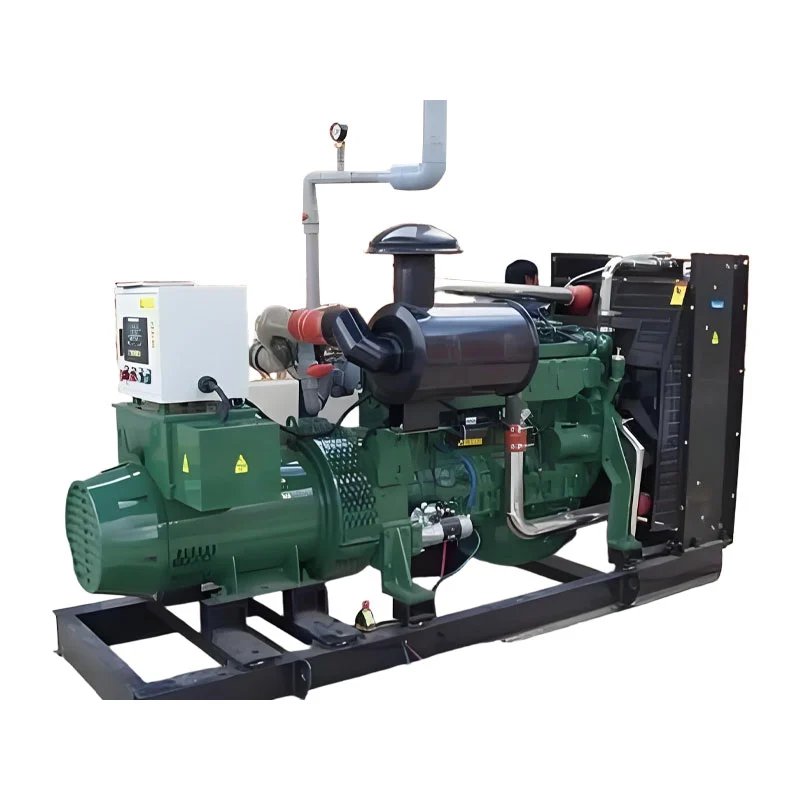
Why does a biogas project fail to feel “reliable” after the generator is installed?
Most buyers don’t regret choosing biogas—what they regret is underestimating fuel variability. Biogas can fluctuate in methane concentration, carry moisture, and contain hydrogen sulfide (H2S). When those issues aren’t treated as design inputs, a Biogas Generator can feel “temperamental,” with more alarms, more downtime, and a bigger spare-parts bill than expected.
- Unstable gas quality causes misfires, load drops, and protection trips.
- H2S corrosion accelerates wear on valves, turbo components, and exhaust paths.
- High moisture leads to condensation, sensor drift, and intake contamination.
- Weak operating routines turn small issues into repeated shutdowns.
What should I expect a modern Biogas Generator system to include beyond the engine?
I don’t view a Biogas Generator as only “an engine + alternator.” The system is a chain, and the weakest link defines your uptime. In practice, a dependable setup usually includes:
- Gas pretreatment for desulfurization, dehydration, and dust control.
- Pressure stabilization with buffering so the engine sees a smoother fuel supply.
- Controls that react fast to concentration swings and load changes.
- Heat recovery options when you want CHP-style efficiency.
- Monitoring and alarms that help operators act before a shutdown happens.
When I review project proposals, I look for a supplier that treats pretreatment and controls as core, not optional add-ons. That’s often the difference between “it runs” and “it runs every day.”
How do I know whether my biogas is “good enough” for a Biogas Generator?
Here’s the practical answer: your biogas doesn’t need to be perfect—but you must measure it, and you must design around what you measured. I typically ask for methane stability trends, H2S range, moisture/temperature behavior, and whether there are known upsets (feedstock changes, cleaning cycles, seasonal effects).
| Biogas Risk Factor | What I Look For On-Site | What the System Should Do |
| Methane fluctuation | Hourly swings, sudden dips after feed changes | Stable operation strategy, responsive control logic, buffering to smooth supply |
| H2S and corrosives | Peak values during process upsets | Effective desulfurization + corrosion-aware component choices and service plan |
| Moisture and condensation | Water in lines, cold spots, rainy season issues | Dehydration, proper drainage, sensors protected from contamination |
| Operational discipline | Untrained operators, irregular checks | Clear O&M SOPs, alarms that guide action, easy-to-source consumables |
Which buyer pain points should a Biogas Generator supplier solve upfront?
If a supplier only talks about rated power, I get cautious. The questions that matter for real operations are usually:
- How quickly can I get spare parts and technical support?
- How does the control system handle gas swings without constant manual tuning?
- What’s the maintenance rhythm and what are the consumables?
- How do we prevent corrosion-related failures over time?
- Can I run islanded, grid-tied, or both depending on my site needs?
I prefer suppliers who talk in “operating reality” terms—startup stability, fault patterns, maintenance scheduling, and how they reduce downtime when your digester has a bad week.
How can I compare Biogas Generator options without getting lost in brochures?
I simplify comparisons into three buckets: stability, lifecycle cost, and serviceability. Here’s the evaluation grid I use when shortlisting vendors:
| Category | What to Ask | Why It Protects Your ROI |
| Stability under fuel variation | What concentration swing can the unit tolerate and how fast? | Fewer trips and smoother kWh output when your gas isn’t consistent |
| Corrosion and contamination defense | How is H2S handled in design and in recommended pretreatment? | Longer component life and fewer expensive engine events |
| Service and parts access | Typical lead times, local inventory, remote diagnostics capability | Shorter downtime windows and predictable maintenance planning |
| Lifecycle operating cost | Expected consumables, service intervals, operator workload | Lower total cost of ownership beyond the purchase price |
What makes a Biogas Generator a smart choice for farms, wastewater, and food waste sites?
When the system is designed correctly, a Biogas Generator can do more than “generate power.” It can reduce flaring, stabilize your facility energy budget, and help you turn a waste-handling obligation into an asset. For many sites, the practical wins look like this:
- On-site electricity that reduces reliance on volatile grid pricing.
- Waste-to-energy efficiency that improves project economics and sustainability reporting.
- Expandable capacity as your digester output grows.
- Optional heat utilization for process heating, buildings, or hot water.
What should I send in an inquiry to get a realistic Biogas Generator recommendation?
If you want accurate sizing and configuration (and fewer “change orders” later), I suggest sending:
- Your target power mode (prime power, standby, or grid-parallel)
- Biogas data if available (methane trend, H2S range, moisture behavior)
- Site altitude/ambient temperature and expected load profile
- Whether you want heat recovery now or later
- Any known process upsets (feedstock switching, seasonal swings, cleaning cycles)
Ready to choose a Biogas Generator that actually fits your gas and your uptime expectations?
If you’re planning a new project or troubleshooting an existing one, I can’t stress this enough: the best Biogas Generator decision is the one grounded in your gas reality and your maintenance reality. Share your site details and what “reliable” means to you, and you’ll get a recommendation that’s practical—not generic.
Want a tailored configuration and a clear quotation path? Please contact us and send your inquiry today— I recommend including your biogas parameters and operating goals so the proposal matches your site from day one.