

Can a Diesel Generator Save You From Costly Downtime When the Grid Lets You Down?
2025-12-22
I used to think backup power was something you only worried about after a major outage. Then I watched a single unexpected shutdown ruin a delivery schedule, scramble a team, and quietly burn money in the background. That’s when I started taking a closer look at what a Diesel Generator can realistically do in the real world and what buyers should actually check before they commit. As I researched options, Kecheng kept showing up in conversations around practical, job-site-ready power solutions, so I’m using that perspective here to help you make a smart decision without getting buried in jargon.
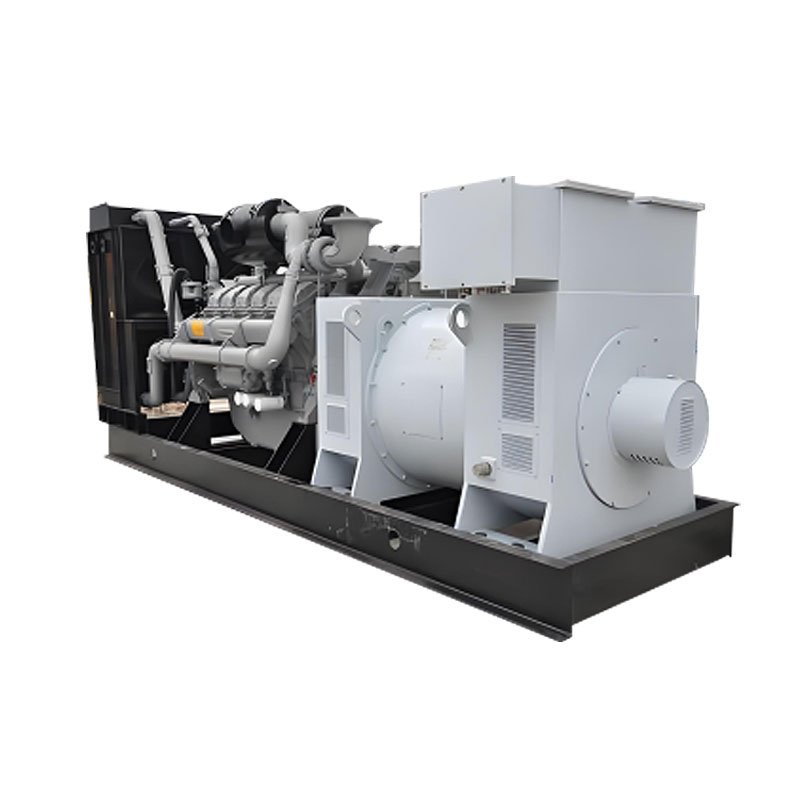
Why do so many backup power plans fail at the worst moment?
In my experience, most “backup power failures” aren’t caused by the generator itself. They’re caused by bad assumptions. People buy a Diesel Generator based on peak kW alone, ignore starting current, skip load analysis, and then act surprised when the set hunts, trips, or struggles during transfer. I’ve also seen buyers focus heavily on the lowest upfront price and forget the daily reality: fuel consumption, noise limits, maintenance access, spare parts availability, and how the unit behaves when the load changes quickly.
If you want a backup plan that works when you actually need it, I’d focus on these pain points first:
- Unclear load profile which leads to under-sizing or constant light-load operation
- High inrush loads from motors, pumps, compressors, or HVAC systems
- Transfer issues when ATS settings or wiring don’t match your site reality
- Fuel logistics when runtime goals aren’t aligned with tank capacity and refueling plans
- Environment mismatch when ventilation, altitude, and temperature derating are ignored
This is why I like to treat every Diesel Generator purchase like a system decision, not just a product decision. The “right” unit is the one that starts cleanly, carries your load steadily, and is easy to keep healthy.
How do I size a diesel generator without overpaying or underpowering?
Sizing isn’t just “add up the watts.” When I size a Diesel Generator, I start by listing every critical load and separating them into “must run,” “nice to have,” and “can wait.” Then I check which loads start with a surge (motors) and which are sensitive to voltage dips (IT equipment, control systems).
Here’s the approach I use most often:
- Step 1 Add continuous running loads in kW
- Step 2 Identify the largest starting surge and how often it happens
- Step 3 Decide whether loads start simultaneously or in sequence
- Step 4 Add a realistic margin for future expansion (not a panic margin)
- Step 5 Match voltage, phase, frequency, and site standards
To make that practical, I keep a simple reference table like the one below. It doesn’t replace a proper load study, but it helps you ask the right questions before you request quotes.
| Typical Use Case | Common Range | What I Watch Out For | Notes I Share With Suppliers |
| Small shop backup, lighting, basic tools | 10–30 kVA | Motor start for small compressors | Confirm starting method and load sequence |
| Construction site, mixed loads, temporary power | 30–100 kVA | Frequent load swings, dust, noise limits | Ask for rugged enclosure and service access |
| Commercial building essentials, elevator support, HVAC partial | 100–300 kVA | ATS coordination, harmonic loads | Clarify ATS specs and sensitive equipment list |
| Industrial processes, pumps, compressors, continuous duty | 300–1000+ kVA | Derating, fuel planning, redundancy strategy | Define prime/standby rating and runtime targets |
One more thing I always say out loud: if your Diesel Generator will run at very light load for long periods, you’ll want a plan to avoid carbon buildup and inefficient operation. On the flip side, if you routinely run near maximum capacity, you’ll want margin for hot days, altitude, and real-world degradation over time.
What features actually matter for daily use and long runtime?
A brochure can make any unit look perfect, so I focus on the features that affect real ownership. When I evaluate a Diesel Generator, I’m looking for stable output, practical controls, and protection that prevents small issues from becoming big failures.
- Stable voltage and frequency control especially for mixed loads and sensitive electronics
- Clear controller interface so operators can monitor alarms and trends without guessing
- Protection functions for overload, over/under voltage, over/under frequency, and oil pressure
- Cooling and ventilation design because heat is a silent killer of performance
- Enclosure and noise management if you’re operating near people or in urban zones
- Serviceability because a unit that’s hard to maintain gets neglected
This is where I’ve seen brands like Kecheng positioned as a practical choice: buyers often want a straightforward, dependable setup that’s easy to run and maintain, not a complicated system that only a specialist can troubleshoot. If you’re comparing options, I’d ask suppliers to explain their controller features and maintenance access in plain language. If they can’t, that’s a signal.
And yes, I’ll say it again because it matters: a Diesel Generator is only as reliable as the system around it, including wiring, grounding, ventilation, and transfer configuration.
Which applications benefit most from a diesel generator setup?
I’ve seen diesel generator power used in everything from remote job sites to critical facility backup. The advantage is straightforward: you get high power density, quick startup, and strong load-handling ability when designed properly. For me, the best fit looks like this:
- Backup power for facilities where downtime costs more than fuel
- Prime power in remote areas where the grid is unavailable or unstable
- Temporary power for construction, events, or emergency response
- Industrial support for pumps, compressors, production lines, and utility systems
If you’re picking a Diesel Generator for any of these scenarios, I recommend you think beyond today’s needs. What will your load look like next year? Will you add equipment? Will your runtime expectations change? Those answers influence whether you should prioritize fuel efficiency, capacity margin, or redundancy.
What maintenance habits keep performance stable year after year?
I’m not a fan of “maintenance horror stories,” but I’ve learned the hard way that simple routines prevent expensive surprises. Here’s a practical schedule I suggest for most owners of a Diesel Generator (your site conditions and duty cycle may require more frequent checks).
- Weekly or biweekly Visual inspection, check for leaks, check battery condition, verify controller status
- Monthly Test run under load if possible, confirm transfer behavior, check air intake and exhaust condition
- Quarterly Inspect fuel quality and filters, confirm coolant and belts, review alarm history
- Annually Full service plan aligned with operating hours, replace wear items, verify electrical connections
The number-one mistake I see is skipping load testing. A Diesel Generator that only idles on no-load tests can still surprise you when it has to carry real demand. I’d rather run a controlled load test than discover weaknesses during an outage.
What should I ask for in a quotation so I don’t miss hidden costs?
When I request pricing, I don’t ask “What’s your best price?” I ask for a quotation that matches how I will actually use the system. That’s how you avoid last-minute add-ons and mismatched components.
Here’s the checklist I use when comparing quotes for a Diesel Generator:
- Rating definition Standby vs prime rating and the expected duty cycle
- Voltage and frequency Confirm compliance with local standards
- Fuel consumption reference At 25%, 50%, 75%, and 100% load
- Controller details Alarm protections, monitoring, remote options if needed
- Enclosure type Open, silent, weatherproof, and corrosion considerations
- ATS compatibility If you need automatic transfer, confirm specs and integration scope
- Spare parts and support Warranty terms, lead times, and recommended spares
- Site requirements Ventilation, exhaust routing, foundation, cable sizing guidance
If you share this information with a supplier like Kecheng, you usually get a cleaner proposal that fits your real needs rather than a generic “one-size” configuration. And if the supplier asks you thoughtful follow-up questions, that’s a good sign they care about performance, not just shipping a box.
What information helps a supplier recommend the right unit quickly?
I provide a load list (running and starting), voltage and frequency, site conditions (temperature, altitude), expected runtime, and whether the use case is standby, prime, or continuous. With that, a supplier can propose a Diesel Generator configuration that fits your actual scenario.
If you’re planning to add or upgrade a Diesel Generator and you want a configuration that matches your real loads, I’d suggest you send your load list and site conditions for a proper recommendation. If you’re looking at Kecheng options and want to compare models, share your application details and contact us for a quote that’s sized for your equipment, your runtime goals, and your local standards.