

Does Hot Rolled Checkered Steel Plate for Platforms Require Anti-Corrosion Treatment
2026-09-23
When specifying Hot Rolled Checkered Steel Plate for Platforms, engineers and project managers often ask whether anti-corrosion treatment is truly necessary. At Sanhe, we have supplied thousands of tons of Hot Rolled Checkered Steel Plate for Platforms to industrial, commercial, and municipal projects worldwide. The short answer is yes—but the type and extent of treatment depend on several critical factors. This guide explains when protection is essential, which methods perform best, and how to specify the right system for your platform.
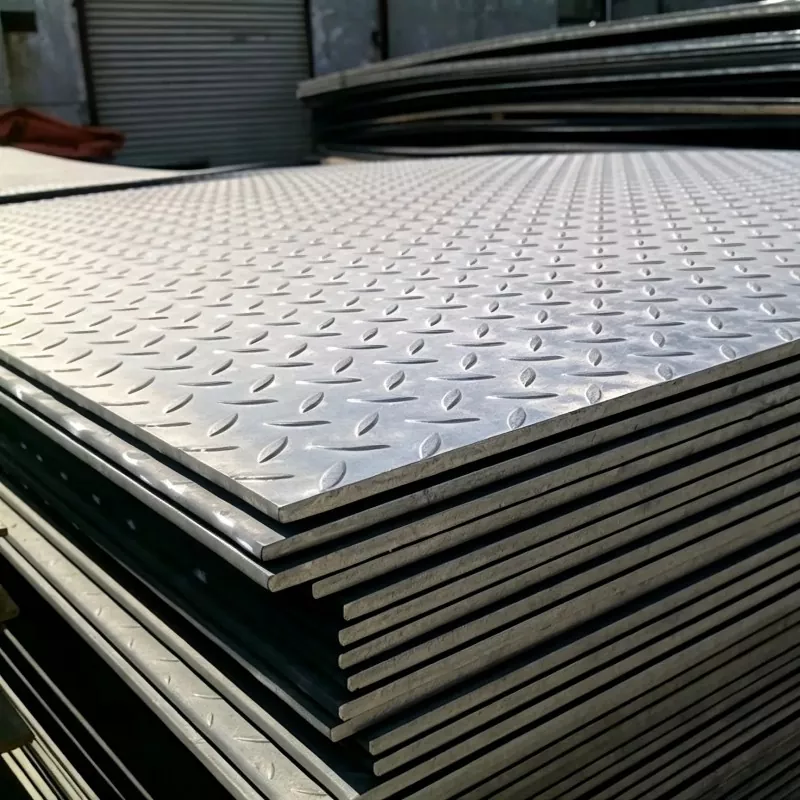
Why Corrosion Risk Matters for Platform Flooring
Hot Rolled Checkered Steel Plate for Platforms is typically made from carbon steel such as Q235B, SS400, or A36. These grades offer excellent strength and slip resistance, but they contain no alloying elements that resist rust. Once the mill scale is compromised by cutting, welding, or foot traffic, moisture and oxygen begin attacking the base metal.
The consequences are not merely cosmetic. Corrosion reduces the effective thickness of the plate, weakens weld joints, and creates trip hazards as the checkered pattern deteriorates.
Factors That Determine Whether Treatment Is Required
| Factor | Low Risk | High Risk |
|---|---|---|
| Environment | Indoor, dry, climate-controlled | Outdoor, coastal, chemical, humid |
| Exposure | Occasional foot traffic | Continuous traffic, washdowns, spills |
| Service life | Under 2 years | 10 years or more |
| Maintenance access | Easy to inspect and recoat | Difficult or costly to access |
| Safety criticality | Non-elevated walkway | Elevated platform, stair, gangway |
If your project falls into any high-risk column, anti-corrosion treatment is not optional—it is a specification requirement.
Common Anti-Corrosion Methods for Checkered Plate
Sanhe recommends the following systems based on application:
-
Hot-Dip Galvanizing (HDG): The most durable option for outdoor and wet environments. Zinc coating of 60–120 µm provides sacrificial protection for 20–30 years.
-
Epoxy or Polyurethane Coating: Suitable for chemical plants and food processing facilities. Can be applied with anti-slip aggregate for extra grip.
-
Shot Blasting Plus Primer: A cost-effective base preparation for painted systems in moderate environments.
-
Stainless Steel Alternative: When budgets allow, 304 or 316 stainless checkered plate eliminates the need for coating entirely.
Selection Guide by Environment
| Environment | Recommended Treatment | Expected Service Life |
|---|---|---|
| Indoor warehouse | Oiled or light primer | 3–5 years |
| Outdoor general | Hot-dip galvanized | 20–25 years |
| Coastal/marine | HDG + epoxy topcoat | 25–30 years |
| Chemical plant | Epoxy/polyurethane system | 10–15 years |
| Food processing | Stainless steel or FDA-grade coating | 15+ years |
Frequently Asked Questions
Q: Can Hot Rolled Checkered Steel Plate for Platforms be used outdoors without any anti-corrosion treatment?
A: No. Outdoor exposure accelerates rust formation, especially in humid or coastal areas. Untreated Hot Rolled Checkered Steel Plate for Platforms may show visible corrosion within weeks and significant section loss within one to two years. At minimum, a primer and topcoat system should be applied.
Q: Which anti-corrosion treatment offers the best value for Hot Rolled Checkered Steel Plate for Platforms?
A: Hot-dip galvanizing typically offers the best long-term value. Although the initial cost is higher than painting, its 20–30 year service life eliminates repeated surface preparation and recoating expenses. For Hot Rolled Checkered Steel Plate for Platforms in moderate indoor conditions, a shot-blasted primer system is more economical.
Q: Does anti-corrosion treatment affect the slip resistance of Hot Rolled Checkered Steel Plate for Platforms?
A: Properly applied treatments preserve slip resistance. Hot-dip galvanizing adds a thin zinc layer that follows the checkered pattern. Coatings should be specified with anti-slip aggregate if the platform is subject to oil, water, or frequent foot traffic. Overly thick coatings can round off the pattern, so dry film thickness must be controlled.
Q: How does Sanhe ensure coating quality on Hot Rolled Checkered Steel Plate for Platforms?
A: Sanhe controls surface preparation, coating thickness, and adhesion testing at every stage. We provide mill certificates, coating reports, and third-party inspection documentation for projects requiring traceability.
Contact Us
Selecting the right anti-corrosion system for Hot Rolled Checkered Steel Plate for Platforms protects your investment, extends service life, and safeguards workers. Sanhe offers free technical consultation, sample testing, and project-specific recommendations. Contact our engineering team today to request a quotation or discuss your platform specifications.