

How Can a 12kW Single Phase Hybrid Inverter Improve Home Energy Independence?
2026-10-27
As residential energy demand continues to grow, homeowners are looking for smarter ways to manage solar power, reduce electricity expenses, and maintain a reliable energy supply. A 12kW Single Phase Hybrid Inverter offers a practical solution by integrating solar photovoltaic generation, battery storage, and grid electricity into one coordinated energy system. With suitable system design, it can support high-demand household appliances, improve solar energy utilization, and provide backup power during grid interruptions. For homeowners, installers, and solar energy distributors, understanding how this inverter works is essential to selecting an efficient and reliable energy solution.
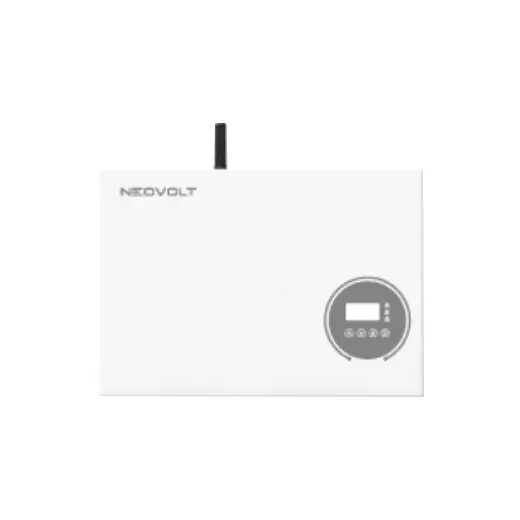
What Is a 12kW Single Phase Hybrid Inverter?
A 12kW Single Phase Hybrid Inverter is a power conversion device designed to manage electricity from solar panels, battery storage, and the utility grid. It converts the direct current (DC) generated by photovoltaic modules into alternating current (AC) for household consumption while coordinating energy storage and grid interaction according to the system configuration.
Unlike a conventional grid-tied inverter, a hybrid inverter can work with compatible batteries to store surplus solar electricity for later use. Depending on its specifications and installation settings, it may also support backup power during outages.
Its 12kW rated output makes it suitable for residential properties with substantial electricity consumption, larger homes, and selected small commercial applications. However, actual suitability depends on the inverter's continuous output rating, surge capacity, battery compatibility, and the electrical requirements of the connected loads.
Why Does a 12kW Hybrid Inverter Matter for Modern Solar Systems?
1. Better Solar Energy Utilization
Solar panels often generate more electricity than a household immediately needs during sunny hours. Without storage, excess energy may be exported to the grid or curtailed, depending on local regulations and system settings.
A hybrid inverter helps direct available solar power toward household loads and compatible battery storage. Stored electricity can then be used in the evening or during periods of reduced solar generation.
This approach can increase self-consumption and reduce dependence on grid electricity, particularly in areas where exported solar power receives lower compensation than electricity purchased from the utility.
2. Flexible Energy Management
A 12kW Single Phase Hybrid Inverter can coordinate several energy sources to support different household requirements. Depending on its operating modes, it may prioritize solar consumption, battery charging, grid charging, or backup readiness.
Common applications include:
-
Self-consumption mode: Uses available solar electricity to supply household loads before storing excess energy.
-
Battery mode: Supplies compatible stored energy when solar generation is insufficient.
-
Grid-connected mode: Works alongside the utility supply to balance household electricity demand.
-
Backup mode: Supplies designated loads during a grid outage when the inverter, battery, and installation support backup operation.
These functions allow homeowners and installers to configure the system around local electricity tariffs, daily consumption patterns, and backup requirements.
3. Greater Energy Resilience
Power interruptions can affect lighting, refrigeration, communication equipment, home offices, and other essential appliances. When connected to a compatible battery and correctly configured backup circuits, a hybrid inverter can maintain power to selected loads during an outage.
However, backup performance depends on battery capacity, battery discharge power, inverter operating limits, and starting currents from appliances such as pumps or air conditioners. Not every hybrid inverter automatically provides whole-home backup, so installation requirements should be confirmed before purchasing.
Which Applications Benefit Most from a 12kW Single Phase Hybrid Inverter?
A 12kW system can be a strong option for properties that require substantial electrical capacity without a three-phase connection.
| Application | Main Benefit | Important Consideration |
|---|---|---|
| Large residential homes | Supports multiple household loads | Check simultaneous peak demand |
| Solar-powered homes with batteries | Stores surplus solar energy | Match battery capacity and power |
| Homes with electric vehicle charging | Helps coordinate solar generation and charging | Verify charger load and available output |
| Properties with high daytime consumption | Makes direct use of solar electricity | Evaluate solar array sizing |
| Small commercial premises | Supports selected business equipment | Confirm load profile and local electrical requirements |
Before choosing a 12kW Single Phase Hybrid Inverter, users should evaluate actual electricity consumption rather than relying on property size alone. A professional assessment helps determine whether the rated output matches the site's maximum demand and whether a single-phase connection is appropriate under local utility rules.
How Does It Work with Solar Panels and Battery Storage?
A hybrid solar system connects several components to create a coordinated energy supply.
-
Solar generation: Photovoltaic panels generate DC electricity from sunlight.
-
Power conversion: The inverter converts solar DC into AC electricity for compatible household loads.
-
Battery charging: Surplus energy charges the battery when charging conditions and system settings permit.
-
Energy discharge: The battery supplies stored electricity when solar generation falls or demand rises.
-
Grid interaction: The utility grid supplements the system when necessary, subject to configuration and local regulations.
The inverter's energy management system determines how electricity flows between these components. With appropriate monitoring, users can better understand solar production, battery status, household consumption, and grid imports.
For example, a household may use solar energy directly during the day, charge its battery with excess generation, and draw from the battery after sunset. The actual savings depend on solar availability, battery losses, electricity prices, consumption habits, and the applicable export tariff.
What Specifications Should Buyers Check Before Purchasing?
Selecting the right inverter requires more than comparing rated power. Buyers should review the following technical factors before making a decision.
-
Rated AC output: Confirm that the inverter can continuously support the intended loads.
-
Battery compatibility: Check supported battery voltage ranges, communication protocols, and charging and discharging limits.
-
Solar input capacity: Verify the permitted PV array power, maximum DC voltage, MPPT voltage range, and input current.
-
Conversion efficiency: Compare efficiency ratings and operating performance under relevant conditions.
-
Backup capability: Confirm whether backup output is available, its maximum power, transfer behavior, and supported load types.
-
Monitoring functions: Look for accessible system data, alarms, and energy management features.
-
Safety and compliance: Verify applicable certifications, grid-connection requirements, and installation standards in the target market.
-
Warranty and technical support: Review warranty terms, product documentation, and after-sales service arrangements.
These specifications help installers avoid system mismatches and allow distributors to recommend products that meet different customer requirements.
How Can a 12kW Single Phase Hybrid Inverter Deliver Long-Term Value?
The long-term value of a hybrid inverter comes from coordinated energy management rather than rated power alone. By using solar electricity more effectively and storing suitable surplus generation, homeowners may reduce grid purchases and improve their control over household energy consumption.
To achieve these benefits, the complete system must be designed correctly. Solar panel capacity should match the inverter's input limits, battery storage should reflect the desired backup duration, and electrical protection should be appropriate for the installation.
Routine monitoring also matters. Reviewing generation data, battery performance, and household consumption can help identify inefficient operating patterns and support better energy management over time.
For installers and solar distributors, a well-matched system can offer a practical combination of power capacity, storage flexibility, and residential energy management. Providing clear technical specifications and application guidance also helps customers make informed purchasing decisions.
Why Consider Sinaoh Limited Co.,Ltd. for Your Solar Inverter Needs?
Choosing a solar energy solution involves more than identifying the right power rating. Product compatibility, application requirements, technical documentation, and dependable supplier communication are important considerations for both residential projects and professional solar installations.
When evaluating a 12kW Single Phase Hybrid Inverter from Sinaoh Limited Co.,Ltd., buyers should confirm the available model specifications, supported battery configurations, grid and backup functions, certifications, warranty coverage, and delivery arrangements. These details help ensure that the selected equipment aligns with the project's technical and commercial requirements.
Whether you are planning a residential solar-plus-storage installation or sourcing equipment for distribution, a clear understanding of your target market and system requirements is the first step toward selecting a suitable solution.
Ready to explore a suitable solar inverter solution for your project? Contact us at Sinaoh Limited Co.,Ltd. to discuss your application requirements, request detailed product specifications, and identify a configuration that supports your solar energy goals.