
How Can a Complete Coating Line Solution Improve Manufacturing Efficiency?
2026-10-28
In modern manufacturing, coating quality, production efficiency, and operational stability are essential for maintaining product competitiveness. As industrial requirements become more demanding, manufacturers need integrated equipment that can deliver consistent coating results while reducing unnecessary downtime and production costs. A Complete Coating Line Solution provides a systematic approach to coating operations by integrating key processes, equipment, and control systems into a coordinated production line. Rather than managing separate machines independently, manufacturers can establish a streamlined workflow that supports consistent quality, efficient material handling, and flexible production. Shenzhen CKD Technology Co., Ltd. provides coating-related equipment and integrated solutions designed to help businesses optimize their manufacturing processes and meet evolving production requirements.
1. What Is a Complete Coating Line Solution?
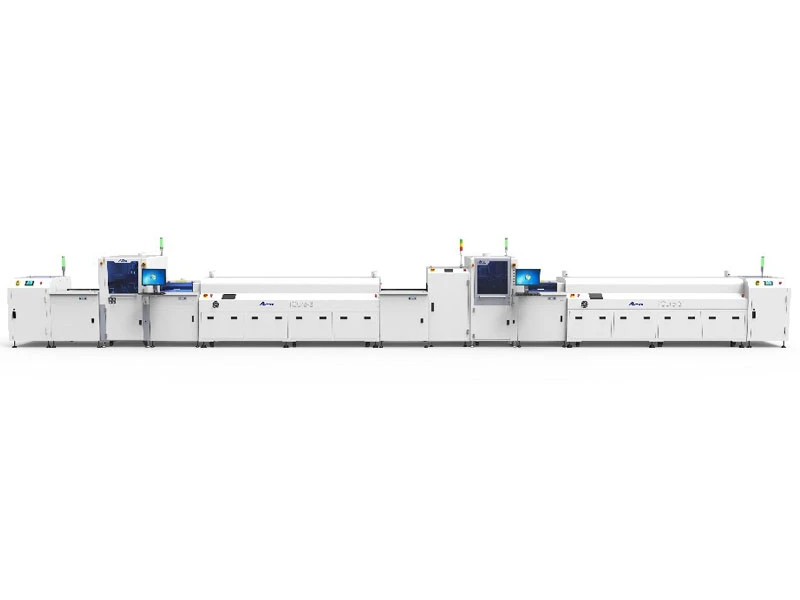
A Complete Coating Line Solution refers to an integrated production system that combines the equipment and processes required to apply coatings to products or materials. Depending on the application, the system may include material feeding, surface preparation, coating application, drying or curing, inspection, and finished-product handling.
By coordinating these stages, manufacturers can reduce process interruptions and improve communication between individual machines. The exact configuration depends on the substrate, coating material, product dimensions, required finish, and production capacity.
Key Components of an Integrated Coating Line
A typical coating line may include the following components:
-
Material Feeding System: Transfers raw materials or workpieces into the production process in a controlled manner.
-
Surface Preparation Equipment: Removes contaminants and prepares the substrate to support coating adhesion and finish consistency.
-
Coating Application System: Applies coating materials according to the required thickness, coverage, and surface appearance.
-
Drying or Curing Equipment: Helps the coating reach its required physical properties through suitable heating, drying, or curing processes.
-
Conveying System: Moves products between processing stages while maintaining a coordinated production rhythm.
-
Inspection and Quality Control: Identifies surface defects, coating inconsistencies, and other issues before products proceed to the next stage.
-
Centralized Control System: Coordinates operating parameters and supports consistent process management across the line.
Not every application requires all these components. A properly designed solution selects equipment according to actual manufacturing needs rather than adding unnecessary complexity.
2. Why Is a Complete Coating Line Solution Important?
An integrated coating system can influence production performance in several important ways. Its value extends beyond the coating equipment itself to the overall organization of the manufacturing process.
Improving Production Efficiency
When coating, drying, and material handling equipment operate as a coordinated system, products can move through the production process with fewer interruptions. Automated conveying and synchronized machine controls can reduce manual transfers and repetitive handling tasks.
This streamlined workflow helps manufacturers improve equipment utilization and establish more predictable production schedules. It can also make it easier to identify bottlenecks and adjust operating parameters when production requirements change.
Maintaining Consistent Coating Quality
Coating defects can result from variations in application speed, material flow, temperature, surface preparation, or curing conditions. An integrated line allows these parameters to be managed more systematically.
Consistent process control helps manufacturers achieve more uniform coating coverage, thickness, appearance, and adhesion when the system is properly configured. Improved consistency can reduce rework, material waste, and the risk of rejected products.
Controlling Operating Costs
A well-planned coating line can help control costs throughout the production cycle. Reduced manual handling, more efficient material use, and fewer quality-related interruptions can contribute to better resource utilization.
Energy consumption is another important consideration. Selecting suitable drying or curing equipment and matching its capacity to the production process can help avoid unnecessary energy use. Actual savings depend on the equipment configuration, operating conditions, and existing production setup.
3. How Does an Integrated Coating Line Work?
A Complete Coating Line Solution typically follows a structured workflow, although the sequence varies according to the product and coating technology.
-
Preparation: Raw materials or workpieces are inspected, cleaned, and prepared for coating.
-
Feeding and Conveying: Products enter the line at a controlled speed to maintain a stable production flow.
-
Coating Application: The selected coating process applies the material to the target surface.
-
Drying or Curing: Products undergo the appropriate treatment to achieve the required coating performance.
-
Quality Inspection: Finished surfaces are checked for appearance, coverage, thickness, and other application-specific requirements.
-
Unloading and Packaging: Qualified products are transferred for subsequent assembly, storage, or shipment.
The effectiveness of the entire line depends on how well these stages work together. For example, increasing coating speed without adjusting drying capacity may create a production bottleneck or compromise the finished surface. Integrated planning helps manufacturers balance throughput, process stability, and product quality.
4. What Should Manufacturers Consider When Selecting a Coating Line?
Choosing the right coating system requires an understanding of both current production requirements and future business plans.
| Selection Factor | Why It Matters |
|---|---|
| Product specifications | Determines equipment dimensions, handling methods, and coating requirements. |
| Coating material | Influences application technology, ventilation, drying, and curing conditions. |
| Production capacity | Helps establish line speed, equipment output, and workflow balance. |
| Automation level | Affects labor requirements, process consistency, and operating flexibility. |
| Factory layout | Determines equipment arrangement, material flow, and installation feasibility. |
| Energy efficiency | Influences long-term operating expenses and resource consumption. |
| Maintenance requirements | Affects equipment availability, servicing costs, and production continuity. |
| Future expansion | Helps ensure that the system can accommodate changing product lines or output targets. |
Manufacturers should also evaluate equipment compatibility, safety requirements, technical support, installation arrangements, and operator training. A solution that matches the actual production environment is generally more valuable than one selected solely on initial purchase price.
5. What Results Can a Complete Coating Line Solution Deliver?
When appropriately designed and maintained, an integrated coating line can deliver practical benefits across manufacturing operations.
Higher throughput: Coordinated equipment and reduced manual transfers can help products move through the line more efficiently.
More reliable quality: Controlled application and curing conditions support repeatable coating results and help reduce process variation.
Lower material waste: Better process management can reduce overspray, rejected products, and unnecessary rework where the coating technology and application permit.
Improved production visibility: Integrated controls can make operating conditions easier to monitor and process problems easier to identify.
Greater operational flexibility: A suitably designed system can support different product specifications or changing production demands, subject to its technical capabilities.
These benefits are not automatic. They depend on appropriate equipment selection, process optimization, regular maintenance, and effective operator training. Manufacturers should define measurable performance indicators, such as production output, defect rates, material consumption, and equipment downtime, to evaluate the results.
6. Why Work with Shenzhen CKD Technology Co., Ltd.?
Selecting a coating equipment partner is an important step in developing a reliable manufacturing process. Beyond individual machine specifications, businesses need to consider system compatibility, production requirements, technical communication, and long-term operational needs.
Shenzhen CKD Technology Co., Ltd. can be considered when evaluating coating equipment and integrated production solutions. Manufacturers should discuss their target products, coating materials, required output, factory layout, and quality standards to determine the most appropriate system configuration.
A clear technical assessment helps establish realistic expectations for equipment performance, installation requirements, and production objectives. It also provides a foundation for developing a coating line that aligns with a company's manufacturing strategy rather than relying on a generic equipment arrangement.
Conclusion
A Complete Coating Line Solution is an important investment for manufacturers seeking to improve coating consistency, streamline production, and manage operating costs. By integrating material handling, coating application, drying or curing, inspection, and process control, businesses can create a more coordinated and manageable manufacturing workflow.
The key to successful implementation is selecting a system that matches the specific product, production capacity, coating technology, and factory environment. With careful planning and appropriate equipment integration, manufacturers can strengthen production reliability and prepare for changing market demands.
Looking to optimize your coating process? Contact us at Shenzhen CKD Technology Co., Ltd. to discuss your production requirements and explore a Complete Coating Line Solution tailored to your manufacturing goals.