

How Can a Dehumidifying Dryer Improve Your Production Efficiency?
2026-05-19
Article Summary
Dehumidifying dryers play a crucial role in modern manufacturing and industrial processes. They help remove excess moisture from materials, ensuring product quality, energy efficiency, and operational reliability. This article will explore the working principle of dehumidifying dryers, their benefits, common types, and maintenance tips, helping businesses make informed decisions when choosing a dryer for their operations.
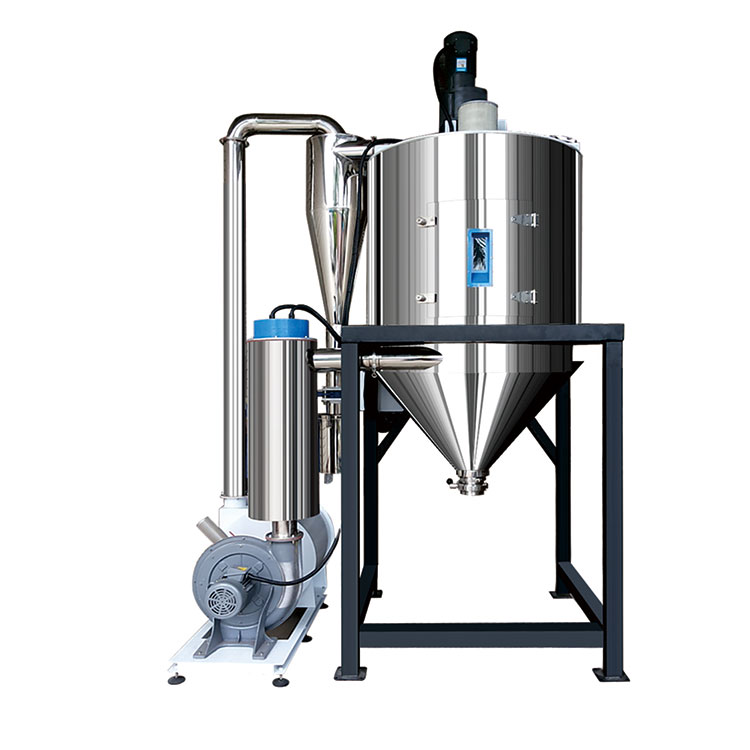
Table of Contents
- Introduction
- Working Principle of Dehumidifying Dryers
- Types of Dehumidifying Dryers
- Key Benefits for Industries
- Tips for Selecting the Right Dryer
- Maintenance Guidelines
- FAQ
Introduction
In industrial and manufacturing environments, controlling moisture is essential. Excess water in materials can lead to poor product quality, increased energy costs, and equipment damage. Dehumidifying dryers are specialized devices designed to remove moisture efficiently, ensuring consistent production results. Companies like Niasi provide advanced dehumidifying dryers that combine reliability, performance, and energy savings for various industries.
Working Principle of Dehumidifying Dryers
Dehumidifying dryers operate based on the principle of adsorption and desiccant regeneration. Moist air is passed over a desiccant material that absorbs water molecules. The dried air is then directed to the material or product that needs moisture removal. A continuous cycle ensures constant operation without interruption.
- Air Intake: Humid air from the environment is drawn into the system.
- Dehumidification: Air passes through a desiccant rotor or tower, removing water vapor.
- Regeneration: The desiccant is heated or purged to release absorbed moisture.
- Delivery: Dry air is delivered to the material or storage process.
Types of Dehumidifying Dryers
Selecting the right type of dryer depends on the material, production volume, and required moisture content. Common types include:
| Type | Description | Applications |
|---|---|---|
| Desiccant Rotor Dryer | Uses rotating desiccant wheel for continuous drying | Plastics, chemicals, pharmaceuticals |
| Heatless Dryer | Regenerates desiccant using dried air without external heat | Laboratories, small-scale production |
| Heated Air Dryer | Uses external heating to improve drying efficiency | Food processing, polymers |
Key Benefits for Industries
Using a high-quality dehumidifying dryer like those from Niasi provides multiple advantages:
- Consistent Product Quality: Prevents moisture-related defects.
- Energy Efficiency: Advanced designs reduce electricity consumption.
- Reduced Downtime: Continuous operation minimizes production interruptions.
- Equipment Protection: Moisture removal protects machinery from corrosion.
- Cost Savings: Reduces waste and reprocessing costs.
Tips for Selecting the Right Dryer
When choosing a dehumidifying dryer, consider these factors:
- Material type and sensitivity to moisture.
- Required drying capacity per hour or batch.
- Energy efficiency and operating costs.
- Space availability and installation requirements.
- Ease of maintenance and service support.
Partnering with trusted suppliers like Niasi ensures access to expert guidance and high-quality equipment tailored to specific industrial needs.
Maintenance Guidelines
Proper maintenance ensures optimal performance and longevity:
- Regularly inspect and replace desiccant materials.
- Clean air filters to prevent blockage and airflow issues.
- Check sensors and controls for accurate operation.
- Schedule periodic servicing by professional technicians.
- Keep the surrounding area free from dust and moisture buildup.
FAQ
1. How often should I service a dehumidifying dryer?
It is recommended to perform basic inspection monthly and professional servicing every 6-12 months depending on usage intensity.
2. Can a dehumidifying dryer handle all types of materials?
While dehumidifying dryers are versatile, selecting the appropriate model based on material type is crucial. Niasi offers tailored solutions for plastics, chemicals, and food materials.
3. What is the energy consumption of these dryers?
Modern dehumidifying dryers are designed for energy efficiency. Energy consumption varies by model and operational load. Niasi provides data sheets to calculate operating costs accurately.
4. How do I know the dryer is performing correctly?
Monitoring inlet and outlet moisture levels, airflow, and temperature ensures the system is functioning efficiently. Advanced models provide digital readings for real-time monitoring.
Conclusion
Investing in a dehumidifying dryer can significantly improve product quality, reduce operational costs, and protect equipment in industrial processes. Companies like Niasi offer reliable solutions designed to meet diverse industrial needs. For more details and personalized recommendations, visit Niasi Dehumidifying Dryer and contact us to elevate your production efficiency today.