
When I look at lifting, towing, and pulling jobs in construction, marine, mining, and mobile machinery, I usually notice the same concern first. Buyers do not simply want a winch that can pull a load once. They want equipment that keeps working under pressure, stays controllable when the site becomes messy, and fits their machine without forcing a full redesign. That is why I pay close attention to manufacturers with real hydraulic system experience, and Ningbo Xinhong Hydraulic Co.,Ltd is one company I would naturally consider when evaluating a dependable Hydraulic Winch for demanding work conditions.
A winch may look like a simple drum and rope system from the outside, but anyone who has used one in the field knows better. Load changes, uneven ground, wet decks, cold mornings, dust, vibration, and operator habits all affect performance. If the winch is not designed around the real working environment, small problems can turn into downtime, safety risks, or expensive machine repairs.
In this article, I want to explain how I judge a Hydraulic Winch from a buyer’s point of view. I will focus on practical value rather than empty technical wording, because the best equipment is not the one that sounds impressive on paper. It is the one that performs smoothly when the job is heavy, urgent, and unforgiving.
What Makes a Hydraulic Winch Different From Other Pulling Equipment?
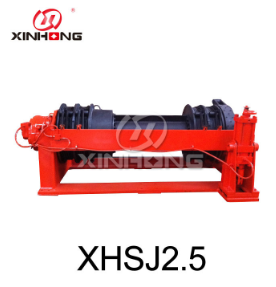
I see a Hydraulic Winch as a power-driven pulling device that uses hydraulic pressure to rotate a drum, wind or unwind wire rope, and control heavy loads. Compared with many electric winches, hydraulic models are often preferred when the machine already has a hydraulic system or when the job requires continuous strength, compact installation, and stable torque output.
The real difference is not only the power source. A hydraulic winch can be matched with hydraulic motors, reduction gearboxes, braking systems, and control valves to create a more integrated pulling solution. This matters because heavy-duty machines rarely work in perfect conditions. The winch must cooperate with the whole machine instead of acting like a separate accessory.
- I would choose hydraulic power when the machine needs strong low-speed pulling force.
- I would consider hydraulic drive when continuous operation is more important than short bursts of speed.
- I would prefer a matched hydraulic solution when the equipment works outdoors, on vessels, or in dusty industrial sites.
- I would look for customized design when rope capacity, pulling force, braking type, and installation space are not standard.
Why Do Buyers Care So Much About Pulling Stability?
Pulling stability is one of the first things I check because it affects safety, equipment life, and operator confidence. A winch that jerks, slips, overheats, or responds slowly can make the whole job feel risky. In real working conditions, the operator may need to pull a load at a controlled pace, hold it securely, or release tension smoothly. That is where a well-built Hydraulic Winch becomes valuable.
I do not judge stability by one single number. I look at the full design, including the hydraulic motor, gearbox, drum structure, brake system, rope arrangement, and the way the winch connects to the machine. When these parts are designed as a complete system, the winch can deliver more predictable movement and better load control.
| Buyer Concern | What I Check | Why It Matters |
|---|---|---|
| Load control | Motor torque, gearbox ratio, and braking structure | Helps the operator pull, hold, and release loads more safely |
| Working environment | Protection against dust, moisture, impact, and temperature changes | Reduces unexpected failure in harsh outdoor or industrial sites |
| Machine compatibility | Mounting size, hydraulic pressure, flow rate, and control method | Makes installation easier and avoids costly machine modification |
| Service life | Steel structure, gear precision, sealing quality, and maintenance access | Supports long-term use and lowers replacement frequency |
| Delivery confidence | Standard models, customization ability, and technical response speed | Helps projects stay on schedule when equipment timing is tight |
How Do I Know Which Hydraulic Winch Fits My Application?
I would never select a Hydraulic Winch only by looking at the rated pulling force. That number matters, but it does not tell the full story. The correct choice depends on how the winch will be used, where it will be installed, and how often it needs to operate.
For example, a winch used on a ship deck faces different problems from one used on a construction crane. A drilling machine may need reliable pulling power under vibration and dust, while a pipe hoisting system may care more about controlled lifting and braking. If the manufacturer understands these differences, the final solution is usually more practical.
- I first confirm whether the winch is used for lifting, pulling, towing, anchoring, or positioning.
- I check the rated load, expected safety factor, rope diameter, and rope capacity.
- I review the hydraulic pressure and flow available from the host machine.
- I ask whether the winch needs a mechanical brake, hydraulic brake, disc brake, or other holding structure.
- I confirm the mounting direction, available installation space, and drum layout.
- I consider whether the job needs single speed, double speed, internal clutch, or integrated gearbox design.
This is where Ningbo Xinhong Hydraulic Co.,Ltd has a useful advantage. The company is not only connected with winch production, but also with hydraulic motors, gear reducers, and hydraulic system matching. From my point of view, that background makes communication easier because the winch can be discussed as part of a working hydraulic drive solution rather than as an isolated product.
Why Is Custom Design Important For Heavy Duty Winch Projects?
Standard products are helpful when the application is simple and the timeline is tight. I like standard models because they can reduce cost and shorten delivery time. However, many heavy-duty projects are not completely standard. A machine builder may need a special mounting position. A marine customer may need better protection against wet conditions. A crane manufacturer may need a compact structure with a reliable brake. In these cases, custom design becomes more than a nice extra.
A customized Hydraulic Winch can help solve practical problems before the equipment reaches the site. The manufacturer can adjust the drum size, rope capacity, gearbox arrangement, brake type, control method, and installation interface based on the actual operating condition. That kind of adjustment often saves time later because the winch fits the machine and the job more naturally.
| Application | Common Requirement | Useful Winch Feature |
|---|---|---|
| Ship deck equipment | Reliable pulling in wet and corrosive environments | Strong structure, stable brake, and suitable surface protection |
| Construction crane | Controlled lifting and repeated operation | Matched gearbox, dependable brake, and smooth hydraulic drive |
| Drilling machinery | Resistance to vibration and harsh working cycles | Heavy-duty design and durable internal components |
| Traction equipment | Strong pulling force at low speed | High torque output and stable rope winding |
| Pipe hoisting equipment | Safe holding and accurate load control | Reliable braking system and controlled drum movement |
Is A Hydraulic Winch Better For Harsh Working Conditions?
In many cases, yes, especially when the machine already depends on hydraulic power. I prefer hydraulic drive for tough working environments because it can provide strong torque in a compact space and handle heavy-duty cycles well when properly designed. A Hydraulic Winch can also be easier to integrate into mobile machinery, marine equipment, and industrial systems that already use hydraulic motors and pumps.
Harsh conditions do not only mean extreme weather. They also include long operating hours, uneven loading, dust, shock, limited maintenance time, and operators who need simple, predictable control. A strong winch should be built for these real-world issues instead of only passing a basic factory test.
When I review a supplier, I usually ask whether they can explain the product from the working condition backward. If they only talk about general capacity, I stay cautious. If they ask about the machine, duty cycle, environment, rope, brake, control method, and installation space, I feel more confident because they are thinking like engineers rather than only sellers.
Which Product Advantages Should Matter Most To Equipment Buyers?
For me, the most important advantage is not a single feature. It is the balance between pulling power, braking safety, structural strength, matching ability, and after-sales communication. A buyer may compare prices first, but the lowest price is not always the lowest project cost. A failed winch can stop a whole machine, delay a job, or create safety concerns that are far more expensive than the original purchase.
- Strong steel construction supports heavy-duty work and rough operating conditions.
- Matched hydraulic motors and gear reducers help improve torque transfer and movement control.
- Brake options help prevent unwanted unwinding and improve load holding reliability.
- Standard models can support faster delivery when the application is common.
- Customized design can help buyers solve special installation and working condition problems.
- Integrated hydraulic knowledge helps reduce mismatch between the winch and the host machine.
These points are especially important for buyers who need more than a catalog item. If I were purchasing a Hydraulic Winch for a machine project, I would want the supplier to understand both the product and the working system behind it. That is where a company with experience in winches, hydraulic motors, gear reducers, and hydraulic power solutions can offer more practical support.
How Can A Better Winch Reduce Long Term Operating Cost?
I always remind buyers that a winch is part of the machine’s working rhythm. If it pulls unevenly, wears rope too quickly, overheats, or needs frequent repair, the cost appears slowly but painfully. Good design can reduce these hidden costs by making the winch easier to operate, easier to maintain, and better matched to the machine.
A reliable Hydraulic Winch can help reduce long-term cost in several ways. It can lower downtime caused by component failure. It can protect the hydraulic system from poor matching. It can make load handling smoother, which may reduce stress on the rope, drum, gearbox, and mounting structure. It can also make operators feel more confident, and that confidence often improves job efficiency.
| Cost Area | Possible Problem With Poor Selection | How A Suitable Hydraulic Winch Helps |
|---|---|---|
| Downtime | Unexpected brake, gearbox, or motor issues | Better component matching supports steadier operation |
| Installation | Mounting mismatch or hydraulic connection problems | Customized design reduces modification work |
| Maintenance | Frequent wear caused by unstable pulling | Smoother operation helps protect key parts |
| Project delay | Late technical confirmation or unclear specifications | Experienced engineering support improves decision speed |
| Safety risk | Load slipping, uncontrolled release, or weak holding | Reliable braking and control improve site confidence |
What Should I Ask Before Sending An Inquiry?
A clear inquiry makes the supplier’s response faster and more accurate. Before I contact a winch manufacturer, I usually prepare the basic working information. This does not need to be complicated, but it should help the supplier understand the real application.
- What load does the winch need to pull or lift?
- What rope diameter and rope capacity are required?
- What hydraulic pressure and flow can the machine provide?
- Will the winch work indoors, outdoors, offshore, underground, or in dusty conditions?
- Does the application require a brake, clutch, double speed design, or internal gearbox?
- How much installation space is available?
- How often will the winch operate each day?
- Are drawings, photos, or machine specifications available?
When I send this information at the beginning, the supplier can recommend a more suitable Hydraulic Winch instead of guessing. It also helps both sides avoid repeated revisions, wrong model selection, and unnecessary delays.
How Do I Choose A Supplier I Can Trust?
I look for a supplier that can discuss the whole solution, not just the product name. A strong supplier should be able to explain why a certain winch structure is suitable, how the brake works, how the gearbox and hydraulic motor match the load, and what should be considered during installation. I also value communication speed because industrial buyers often work under project deadlines.
Ningbo Xinhong Hydraulic Co.,Ltd offers hydraulic winch products along with related hydraulic motors, gear reducers, and hydraulic system support. From a buyer’s perspective, this combination is useful because the supplier can consider the pulling equipment and the drive components together. For machinery manufacturers, engineering contractors, marine equipment users, and industrial buyers, that can make the purchasing process more efficient and more reliable.
If I need a Hydraulic Winch for demanding pulling, lifting, or traction work, I would not only ask for a price. I would ask for a practical recommendation based on my machine, my load, and my working environment. That is the best way to avoid buying a winch that looks right in a catalog but struggles in the field.
Why Should I Contact Ningbo Xinhong Hydraulic Co.,Ltd For My Next Winch Project?
A good winch supplier should help buyers make a safer and smarter decision. Ningbo Xinhong Hydraulic Co.,Ltd can provide standard winch options for common needs and customized proposals for special working conditions. Whether the project involves crane equipment, marine machinery, traction systems, drilling equipment, pipe hoisting, or other heavy-duty applications, the right technical discussion can lead to a more suitable solution.
If you are comparing winch options or planning a new equipment project, I recommend sharing your load requirement, hydraulic parameters, installation space, and working environment with the team. For a suitable Hydraulic Winch solution and a practical quotation, please leave your inquiry or contact us today. The earlier you discuss the working conditions, the easier it is to receive a winch design that truly fits your machine and your project.