

How Can a Low Temperature Chiller Optimize Industrial Cooling Efficiency?
2026-03-24
Article Summary
Low temperature chillers are essential for applications requiring precise cooling in industrial, laboratory, and process environments. This article explains how low temperature chillers work, the benefits they bring, selection criteria, and maintenance tips. With practical tables, clear explanations, and frequently asked questions, readers can make informed decisions to improve efficiency, reduce downtime, and control operational costs.
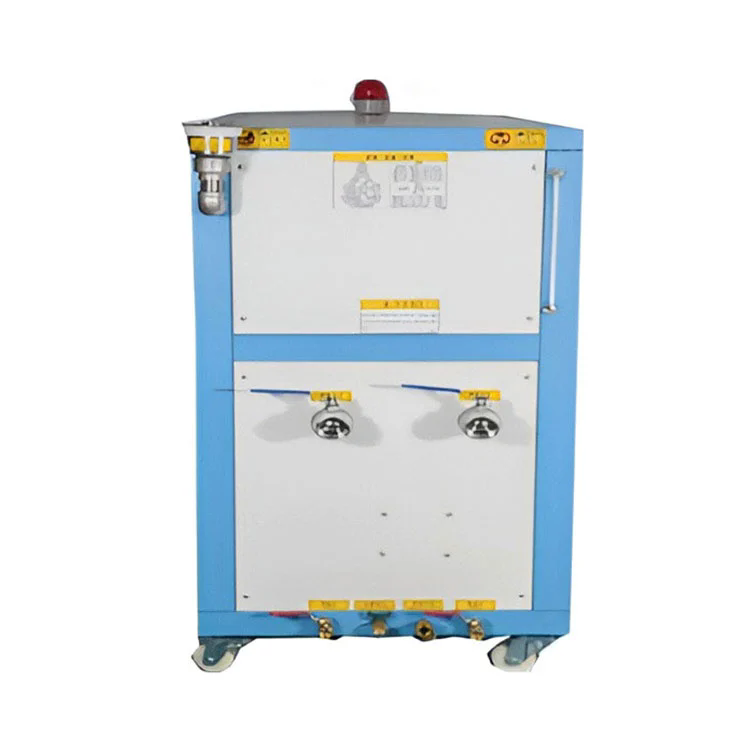
Table of Contents
- 1. What Is a Low Temperature Chiller?
- 2. How Does a Low Temperature Chiller Work?
- 3. Why Are Low Temperature Chillers Important?
- 4. Key Features and Technical Specifications
- 5. Types of Low Temperature Chillers
- 6. How to Choose the Right Low Temperature Chiller
- 7. Installation and Maintenance Tips
- 8. Frequently Asked Questions
- 9. Conclusion
1. What Is a Low Temperature Chiller?
A low temperature chiller is a specialized cooling system designed to maintain fluid temperatures below ambient levels, typically ranging from -40°C to +20°C. These chillers are widely used in industrial manufacturing, pharmaceuticals, laboratories, and chemical processing. They provide precise temperature control, protect sensitive equipment, and improve process stability.
By using a low temperature chiller, businesses can ensure operational safety, maintain product quality, and reduce energy waste caused by inefficient cooling systems.
2. How Does a Low Temperature Chiller Work?
Low temperature chillers function by circulating a refrigerant or cooling fluid through a closed-loop system. The main components include compressors, condensers, evaporators, expansion valves, and a fluid reservoir. The cycle works as follows:
- The compressor compresses the refrigerant, increasing its pressure and temperature.
- The condenser releases heat to the surroundings, condensing the refrigerant into a liquid state.
- The expansion valve reduces the refrigerant pressure, lowering its temperature before entering the evaporator.
- The evaporator absorbs heat from the circulating fluid, cooling it down.
- The chilled fluid is pumped to the process or equipment, maintaining precise low temperatures.
Advanced low temperature chillers often feature digital controllers, variable speed compressors, and intelligent alarms to ensure optimal operation.
3. Why Are Low Temperature Chillers Important?
Industries requiring controlled cooling face several challenges: high energy consumption, equipment overheating, inconsistent process temperatures, and maintenance costs. Low temperature chillers solve these issues by providing:
- Precise Temperature Control: Maintains stable conditions for sensitive processes.
- Energy Efficiency: Reduces unnecessary power consumption with modern compressors.
- Equipment Protection: Prevents overheating and thermal stress in machines.
- Process Reliability: Ensures consistent product quality and reduces downtime.
For industries like plastics molding, pharmaceutical production, and laser systems, the use of a reliable low temperature chiller is essential for operational efficiency and product integrity.
4. Key Features and Technical Specifications
| Parameter | Description |
| Temperature Range | -40°C to +20°C, depending on model |
| Cooling Capacity | 5kW to 200kW for industrial and commercial applications |
| Compressor Type | Scroll, Screw, or Reciprocating compressors |
| Fluid Circulation | Water, Glycol, or other heat transfer fluids |
| Control System | Digital PID controller with alarms and display |
| Energy Efficiency | Variable speed compressor and high-efficiency condenser options |
| Installation | Indoor or outdoor installation depending on unit design |
AQWK offers low temperature chillers designed for stable performance, low maintenance, and energy-saving operation suitable for a wide range of industrial applications.
5. Types of Low Temperature Chillers
Understanding different types helps users select the most appropriate chiller for their process requirements.
- Air-Cooled Chillers: Use ambient air to dissipate heat; ideal for moderate cooling loads.
- Water-Cooled Chillers: Use cooling water from a tower; suitable for high-capacity industrial operations.
- Portable Chillers: Compact units for temporary or mobile cooling needs.
- Closed-Loop Chillers: Circulate fluid in a sealed system to prevent contamination and maintain precise control.
6. How to Choose the Right Low Temperature Chiller
Selecting a low temperature chiller requires assessing your cooling requirements, installation environment, and budget.
- Cooling Load: Calculate the required kW or BTU per hour.
- Temperature Range: Ensure the chiller can reach and maintain target temperatures.
- Fluid Compatibility: Verify fluid type (water, glycol, or special solutions) compatibility.
- Installation Space: Consider indoor or outdoor placement and maintenance access.
- Energy Efficiency: Look for variable speed compressors and eco-friendly refrigerants.
Choosing AQWK low temperature chillers ensures high performance, reliable operation, and tailored support for your industrial needs.
7. Installation and Maintenance Tips
- Follow manufacturer installation guidelines and safety codes.
- Ensure proper electrical connections and grounding.
- Check fluid levels, piping, and leak-free connections before startup.
- Schedule regular maintenance: clean condensers, inspect compressors, and calibrate controllers.
- Monitor operational data using built-in alarms to prevent downtime.
Proper installation and maintenance increase lifespan, maintain cooling efficiency, and reduce unexpected repair costs.
8. Frequently Asked Questions
Q1: What is the typical lifespan of a low temperature chiller?
With proper maintenance, industrial chillers can last 10–15 years.
Q2: Can I use a low temperature chiller for laboratory applications?
Yes, AQWK low temperature chillers provide precise temperature control suitable for laboratories and research processes.
Q3: Are air-cooled chillers less efficient than water-cooled?
Air-cooled chillers are simpler to install and maintain but water-cooled units offer higher energy efficiency for larger capacities.
Q4: How do I ensure consistent low temperature performance?
Regular maintenance, fluid quality checks, and monitoring system parameters help maintain consistent performance.
9. Conclusion
Low temperature chillers are crucial for precise industrial cooling, energy savings, and reliable operations. Selecting the right model and maintaining it properly ensures optimal performance and process consistency.
AQWK offers high-quality low temperature chillers designed for durability, efficiency, and precise control across multiple industries.
If you are interested in improving your cooling process and energy management, contact us today to learn more about AQWK low temperature chiller solutions and professional support.