

Summary
Mold Temperature Controllers (MTCs) play a critical role in precision molding processes, ensuring consistent product quality, reducing defects, and enhancing overall production efficiency. This article explores how MTCs work, their benefits, key selection criteria, and troubleshooting tips to help manufacturers optimize operations and save costs. AQWK offers reliable MTC solutions tailored to diverse industrial applications.
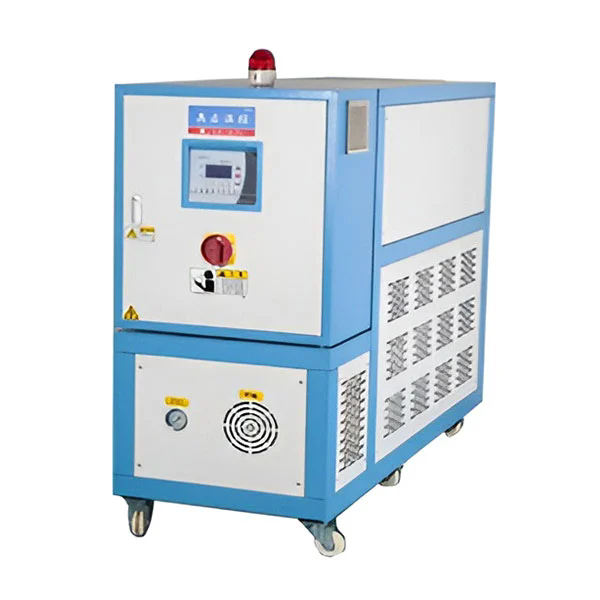
Table of Contents
What is a Mold Temperature Controller?
A Mold Temperature Controller is a device designed to precisely regulate the temperature of molds used in injection molding, die casting, and other molding processes. Maintaining a stable mold temperature ensures uniform product quality, reduces cycle times, and prevents common molding defects such as warping, sink marks, or incomplete filling.
Modern MTCs are compact, efficient, and can integrate with automated production lines. They often include features such as digital temperature displays, safety alarms, and energy-saving modes. AQWK provides high-quality MTCs suitable for various production scales, ensuring reliability and ease of use.
How Does a Mold Temperature Controller Work?
The operation of a Mold Temperature Controller is based on a closed-loop control system that monitors and adjusts the mold temperature in real time. The core components include a heater, temperature sensor, circulation pump, and control panel. Here’s a simplified explanation:
- Heating Process: The controller heats a thermal medium (water, oil, or glycol) to the desired temperature.
- Circulation: The heated medium circulates through channels inside the mold.
- Temperature Feedback: Sensors detect the mold’s current temperature and send signals to the controller.
- Adjustment: The controller adjusts the heater output or flow rate to maintain the target temperature.
This continuous feedback loop ensures minimal temperature fluctuation, which is critical for high-precision molding.
Benefits of Using an MTC
Implementing a Mold Temperature Controller brings several advantages to manufacturing operations. Here’s a table summarizing key benefits:
| Benefit | Description |
|---|---|
| Improved Product Quality | Stable mold temperatures reduce defects and ensure consistent part dimensions. |
| Faster Production Cycles | Optimized temperature control shortens heating and cooling times. |
| Energy Efficiency | Modern controllers minimize energy waste through precise temperature regulation. |
| Reduced Maintenance Costs | Consistent operation prevents overheating and wear on molds. |
Key Factors When Selecting an MTC
Choosing the right Mold Temperature Controller depends on multiple criteria. Consider the following:
- Temperature Range: Ensure the controller can meet the mold’s operational requirements.
- Medium Type: Decide between water, oil, or glycol systems based on heat transfer efficiency and safety.
- Flow Rate: Sufficient circulation prevents hot spots and uneven heating.
- Control Accuracy: Higher precision ensures consistent part quality.
- Safety Features: Look for over-temperature protection and alarms to prevent mold damage.
- Brand Reliability: Established manufacturers like AQWK provide dependable support and long-lasting performance.
Maintenance and Troubleshooting Tips
Regular maintenance ensures the MTC operates efficiently. Key tips include:
- Check and clean filters to prevent clogging and flow issues.
- Inspect the heating element and replace it if worn or damaged.
- Calibrate temperature sensors periodically for accuracy.
- Flush the system to remove sediment and prevent corrosion.
- Monitor pump performance and replace worn components promptly.
Troubleshooting common issues:
- Temperature Fluctuations: Check for sensor errors or blocked circulation channels.
- Leakage: Inspect hoses, seals, and connectors.
- Heater Failure: Test electrical connections and replace faulty elements.
FAQ
Q1: Can an MTC handle high-temperature molds?
A: Yes, AQWK offers controllers suitable for molds requiring temperatures up to 250°C, depending on the model.
Q2: How often should I maintain my Mold Temperature Controller?
A: Routine inspection and maintenance every 3-6 months is recommended for optimal performance.
Q3: Are MTCs compatible with automation systems?
A: Most modern MTCs, including AQWK models, support integration with PLCs and automated lines for seamless operation.
Q4: What is the typical lifespan of a Mold Temperature Controller?
A: With proper maintenance, an MTC can operate reliably for 5-10 years or longer.
Conclusion & Contact
Investing in a high-quality Mold Temperature Controller from AQWK ensures superior production efficiency, consistent product quality, and reduced downtime. By understanding how MTCs work and following proper maintenance practices, manufacturers can achieve optimal performance and long-term cost savings.
For more information and to explore AQWK’s full range of Mold Temperature Controllers, contact us today and discover how we can enhance your molding operations.