

How Can a Pipe Filling Machine Deliver Higher Efficiency ?
2025-12-05
A Pipe Filling Machine plays a central role in modern industrial packaging, particularly in sectors where paste, gel, semi-fluid, or viscous materials must be delivered into tubular containers with consistent accuracy. Industries such as cosmetics, pharmaceuticals, construction chemicals, and food processing rely on this type of equipment to ensure precise filling, waste reduction, and superior product uniformity. As demand for higher efficiency and cleaner production continues to grow, the operation of a Pipe Filling Machine becomes a crucial factor in manufacturing competitiveness.
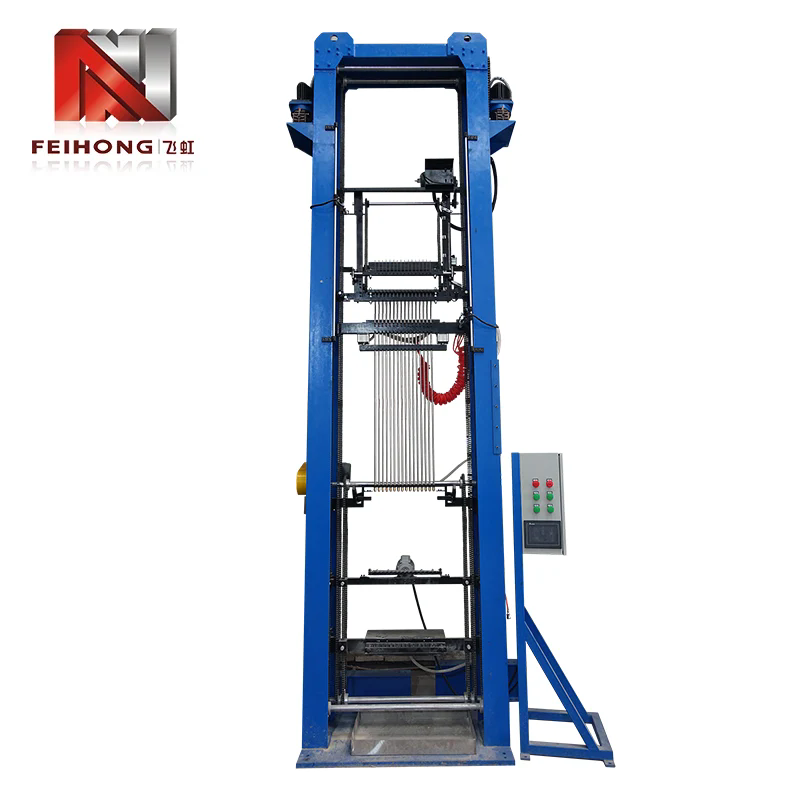
To support procurement decisions, a comprehensive parameter table is included, followed by a short FAQ with practical insights. The content is structured around four major nodes to maintain clarity and professional coherence.
How Do the Functional Advantages of a Pipe Filling Machine Enhance Output Performance?
A Pipe Filling Machine is engineered to achieve high-speed, high-precision filling across a wide range of tube types and materials. The machine's optimized design supports consistent volume control while minimizing leakage, waste, and contamination. Several core advantages define its industrial relevance:
How does high-precision metering improve product consistency?
Through servo-driven filling systems, digital measurement settings, and real-time compensation, the machine ensures that every tube receives the exact volume required. This eliminates batch variation and significantly uplifts brand reliability.
How does an automated feeding system accelerate workflow?
Automated tube feeding, orientation correction, and indexing reduce labor involvement. Operators only need to monitor intervals and replenish consumables, enabling continuous production with fewer interruptions.
How does cleanliness design meet hygiene requirements?
The equipment typically integrates stainless steel contact components, smooth inner surfaces, and rapid-cleaning modules. These features help industries comply with GMP, food-grade regulations, or cosmetic hygiene standards.
How does advanced sealing technology give better product protection?
Depending on the model, thermal sealing, ultrasonic sealing, or composite sealing ensure tight, consistent closure. This prevents oxidation, moisture ingress, and leakage issues during transportation.
How does intelligent control simplify operations?
Integrated digital panels, PLC systems, and smart diagnostics make adjustments easier and reduce downtime. Operators can adjust volume, speed, temperature, or sealing time with clear parameter visualization.
What Detailed Parameters Define the Professional Quality of a Pipe Filling Machine?
To evaluate whether a Pipe Filling Machine matches production requirements, it is essential to understand its technical structure. Key parameters include filling range, tube size compatibility, production speed, air consumption, material-contact components, and sealing mechanisms. Clear parameterization ensures that factories can compare models efficiently and choose the right configuration.
Below is a structured parameter table that highlights the core specifications commonly found in industrial-grade Pipe Filling Machines.
Pipe Filling Machine Technical Parameters
| Parameter Category | Specification Details |
|---|---|
| Filling Range | 5–250 ml (customizable based on application) |
| Production Speed | 30–80 tubes/min depending on viscosity and operational settings |
| Applicable Tube Diameter | 10–50 mm |
| Tube Height Compatibility | 50–250 mm |
| Filling Precision | ±0.5% for standard pastes and semi-viscous materials |
| Material Compatibility | Plastic tubes, laminated tubes, and soft metal tubes |
| Sealing Method | Hot-air internal heating, ultrasonic sealing, or dual-temperature sealing |
| Machine Construction | SUS304 or SUS316 stainless steel contact parts |
| Power Requirements | Three-phase industrial power (custom configurations available) |
| Air Pressure Needs | 0.5–0.7 MPa based on sealing type |
| Control System | PLC control with touchscreen operation |
| Optional Modules | Automatic tube feeding, coding system, protective cover, and dust-proof structure |
These parameters help manufacturing teams determine alignment with production needs, evaluate efficiency expectations, and calculate long-term operational costs.
Why Is a Pipe Filling Machine Considered a Future-Oriented Solution for Industry Automation?
The global manufacturing landscape increasingly emphasizes automation, hygiene, sustainability, and production stability. A Pipe Filling Machine supports these goals by enhancing factory capacity and reducing human error. The future outlook includes deeper automation integration, adaptive learning systems, and modular machine expansions.
How will automation continue to evolve?
Future models will integrate more AI-free smart algorithms, enabling automatic viscosity adjustment, predictive maintenance, and real-time error correction. Such upgrades reduce stoppages and raise production efficiency.
How will energy efficiency shape system upgrades?
Manufacturers will adopt more energy-saving heating systems, optimized compressed-air usage, and motors with higher efficiency ratings. These innovations reduce operational expenses and promote sustainable production strategies.
How will machine scalability adapt to multi-industry use?
Flexible platforms allow interchangeable modules such as filling heads, sealing units, and labeling adapters. Cross-industry compatibility broadens the application spectrum and protects long-term machine value.
How will hygienic standards influence machine evolution?
Growing global regulations in cosmetics, pharmaceuticals, and food require enhanced sanitation. Future machines are expected to feature faster cleaning systems, reduced dead corners, and more sanitary material selections.
Common Questions About Pipe Filling Machines
Q1: How can a Pipe Filling Machine maintain consistent filling accuracy when dealing with materials of different viscosities?
A Pipe Filling Machine regulates accuracy through servo-driven pistons, adjustable nozzles, and smart compensation algorithms. When viscosity changes due to temperature or batch variability, the system senses resistance differences and automatically corrects the filling volume. The precision control ensures reliability across lotions, gels, adhesives, creams, and construction sealants without requiring manual recalibration.
Q2: How does sealing quality affect long-term product stability?
High-quality sealing prevents contamination, leakage, and chemical degradation. Using thermal or ultrasonic sealing systems, the machine forms a stable closure that resists pressure during shipping and storage. Proper sealing also protects formulas from oxidation, moisture intrusion, or separation, ensuring extended shelf life and maintaining product appearance.
How Can Industrial Companies Achieve Higher Productivity with a Pipe Filling Machine?
A Pipe Filling Machine provides measurable benefits for manufacturers seeking enhanced precision, reduced waste, and fully automated production. With optimized mechanisms, advanced control systems, and hygienic process design, the machine improves operational stability and supports long-term industrial scalability. Its adaptability to cosmetic, pharmaceutical, chemical, and food production makes it one of the most versatile filling solutions available today.
As industries continue moving toward intelligent, clean, and modular production systems, investing in a high-quality Pipe Filling Machine becomes a strategic step in staying competitive. Brands searching for reliable machinery can look toward Feihong®, a provider recognized for structured engineering, dependable performance, and customizable solutions built to global standards.
For enterprises seeking tailored configurations or project consultation, contact us to discuss technical requirements, receive professional guidance, or explore suitable models that match your production goals.