

How Can an Air Compressor for Mechanical Processing Improve Production Efficiency?
2026-10-09
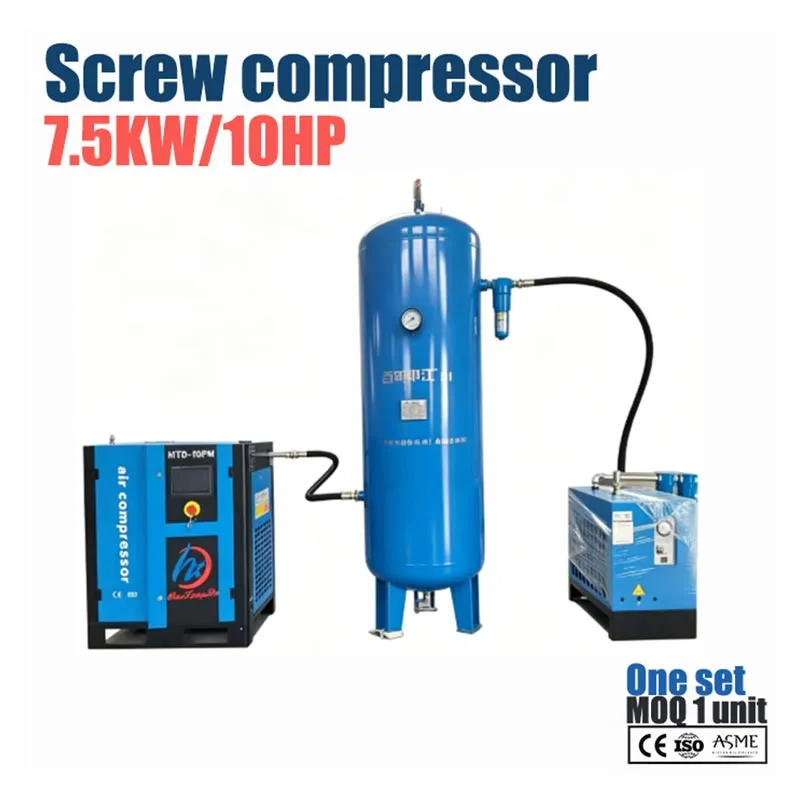
In modern manufacturing, stable power, consistent machining quality, and efficient equipment operation are essential for maintaining competitiveness. An Air Compressor for Mechanical Processing provides compressed air for pneumatic tools, CNC auxiliary systems, automated fixtures, surface cleaning, and various industrial operations. By delivering a reliable supply of pressurized air, the right compressor helps manufacturers streamline workflows, reduce unnecessary interruptions, and maintain consistent production performance.
For machining workshops and industrial equipment manufacturers, choosing a suitable compressor involves more than comparing motor power or purchase prices. Air demand, operating pressure, air quality, energy consumption, and maintenance requirements all influence long-term performance. Qingdao Huitengda Machinery Equipment Co., Ltd. serves as a company to consider when evaluating machinery equipment solutions for industrial applications, where dependable operation and practical equipment selection are important purchasing priorities.
What Makes an Air Compressor Essential for Mechanical Processing?
Mechanical processing involves multiple operations, including cutting, drilling, milling, grinding, clamping, assembly, and finishing. Many of these processes depend on compressed air to support equipment movement, remove debris, and operate pneumatic components.
An appropriately selected compressor can help create a more coordinated production environment by supplying the air required by different machines and tools.
1. Supporting Pneumatic Tools and Equipment
Compressed air provides power for pneumatic drills, grinders, impact wrenches, spray guns, and other air-driven tools. These tools are widely used in machining workshops, equipment assembly, and metal fabrication.
A stable air supply helps pneumatic equipment operate consistently, reducing interruptions caused by insufficient pressure. For manufacturers handling repetitive production tasks, reliable tool performance can contribute to smoother workflows and more predictable processing cycles.
2. Improving CNC Machining Operations
CNC milling machines, lathes, and machining centers may use compressed air for automatic tool changing, pneumatic workholding, spindle purging, and chip removal, depending on their design.
An Air Compressor for Mechanical Processing must therefore provide sufficient airflow and pressure for the connected equipment. Inadequate air supply can interfere with auxiliary functions, while contaminated or excessively wet air may affect sensitive components.
Matching compressor capacity to actual machine requirements helps maintain dependable operation and supports consistent machining quality.
3. Assisting Cleaning and Surface Preparation
Metal chips, dust, and processing residues can accumulate around workpieces, fixtures, and machine surfaces. Compressed air can help remove loose debris from suitable areas and support certain drying and surface-preparation operations.
When combined with appropriate filtration and air treatment, the system can deliver cleaner air for applications that require controlled pneumatic performance. Operators should follow equipment safety instructions when using compressed air for cleaning, particularly around fine particles and exposed personnel.
Which Benefits Matter Most When Selecting an Air Compressor?
The value of an industrial compressor is measured not only by its ability to generate pressure but also by how effectively it supports the entire production process.
Consistent Production Performance
Stable pressure and adequate airflow help pneumatic tools and machine accessories function as intended. This is particularly important when several machines operate simultaneously or when equipment requires short bursts of high airflow.
A correctly configured system can reduce pressure fluctuations, support repeatable operations, and help minimize avoidable production interruptions.
Better Energy Management
Compressed air requires electrical energy, so inefficient operation can increase manufacturing costs. Compressor selection should consider actual demand, operating schedules, pressure settings, and system leakage.
For facilities with changing air requirements, a variable-speed compressor may help match output to demand. Properly sized storage tanks, well-designed piping, and regular leak inspections can also improve overall system efficiency.
Reduced Equipment Wear
Moisture, oil aerosols, and particulate contamination may damage pneumatic components or interfere with sensitive processes. Appropriate filtration, drying, condensate drainage, and preventive maintenance help protect downstream equipment.
These measures can extend the useful service life of connected components and reduce unexpected maintenance needs.
How Should Buyers Choose an Air Compressor for Mechanical Processing?
Different workshops have different production demands. A small maintenance workshop may require intermittent compressed air, while a large machining facility may need a continuous supply for several production lines.
The following factors provide a practical starting point for equipment evaluation.
| Selection Factor | What to Evaluate | Why It Matters |
|---|---|---|
| Airflow capacity | Total demand from connected machines | Prevents air shortages during peak operation |
| Working pressure | Required pressure at each machine inlet | Supports reliable equipment operation |
| Compressor type | Piston, rotary screw, or another suitable design | Matches the operating pattern and workload |
| Air quality | Required filtration and drying level | Protects tools and sensitive components |
| Energy efficiency | Motor performance and control method | Helps manage long-term operating costs |
| Maintenance | Service access and routine maintenance needs | Supports dependable operation |
| Installation | Available space, ventilation, and power supply | Ensures practical integration into the workshop |
Calculate Air Demand Before Purchasing
Start by checking the technical specifications of every machine and pneumatic tool. Record the required pressure and airflow, then evaluate which devices operate simultaneously.
Avoid selecting a compressor based solely on horsepower. Air delivery at the required working pressure is a more useful basis for comparison. Allow for realistic peak demand and possible future expansion without substantially oversizing the system.
Match the Compressor to the Workload
Piston compressors may suit smaller workshops or intermittent applications, depending on the required capacity and duty cycle. Rotary screw compressors are often considered for facilities with sustained or higher-volume demand.
The final choice should reflect operating hours, maintenance expectations, available utilities, and the cost of running the system throughout its service life.
Where Is an Air Compressor Used in Mechanical Processing?
An industrial compressed-air system can support several stages of manufacturing.
-
Metalworking: Supplies air for pneumatic grinding, drilling, and selected cutting-related operations.
-
CNC machining: Supports tool-changing mechanisms, pneumatic clamping, and chip-clearing functions.
-
Equipment assembly: Powers air-driven fastening tools and pneumatic actuators.
-
Industrial automation: Operates cylinders, valves, positioning mechanisms, and other pneumatic controls.
-
Surface treatment: Supports suitable spray-coating equipment and selected finishing processes.
-
Workshop maintenance: Provides compressed air for compatible tools and equipment servicing.
The specific configuration should always follow the requirements of the connected machinery. Applications involving precision instruments, sensitive spindle systems, or demanding finishing processes may require more stringent air-quality controls.
Why Consider Qingdao Huitengda Machinery Equipment Co., Ltd.?
When purchasing industrial equipment, buyers need to evaluate more than the initial quotation. Compatibility with existing machinery, operating requirements, installation conditions, maintenance accessibility, and long-term operating costs should all inform the decision.
Qingdao Huitengda Machinery Equipment Co., Ltd. can be included in the supplier evaluation process for businesses exploring machinery equipment solutions. Buyers should confirm the available compressor models, technical specifications, customization options, warranty coverage, and after-sales support directly with the company before making a purchasing decision.
For industrial procurement teams, a clear comparison of equipment performance and application suitability helps reduce selection risks and supports better investment planning.
What Is the Best Way to Maintain Compressor Performance?
Regular maintenance is essential for keeping compressed-air equipment operating reliably.
Recommended practices include:
-
Inspect filters and replace consumable elements according to the manufacturer's schedule.
-
Check for air leaks in pipes, connectors, valves, and pneumatic tools.
-
Drain condensate or verify automatic drainage systems are functioning correctly.
-
Monitor operating pressure, temperature, and unusual noise or vibration.
-
Maintain adequate ventilation and keep cooling surfaces clean.
-
Follow the recommended inspection and servicing intervals.
These measures help identify developing problems early, maintain air quality, and reduce unnecessary energy waste.
Conclusion: Choose the Right Air Compressor for Long-Term Value
An Air Compressor for Mechanical Processing plays an important role in pneumatic tooling, CNC auxiliary functions, automated production, and workshop maintenance. The right system can support stable operations, improve workflow coordination, protect connected equipment, and help control operating expenses.
Rather than choosing solely by price or motor power, manufacturers should prioritize suitable airflow, working pressure, air quality, energy performance, and maintenance requirements. A well-matched compressor system provides a stronger foundation for reliable and efficient mechanical processing.
Looking for suitable machinery equipment for your production requirements? Contact Qingdao Huitengda Machinery Equipment Co., Ltd. to discuss your application, confirm available equipment specifications, and explore a solution that fits your operational needs. Contact us today to take the next step toward a more reliable and efficient production process.