

How Can an Electromagnetic Disc Grinding Machine Transform Precision Surface Finishing?
2026-06-09
Manufacturers today face increasing pressure to improve product quality, reduce production costs, and maintain consistent precision across every batch. Whether producing automotive components, precision molds, cutting tools, bearings, or industrial parts, achieving a smooth and uniform surface finish is critical. An Electromagnetic Disc Grinding Machine has emerged as an efficient solution for businesses seeking higher productivity, better accuracy, and lower operational costs.
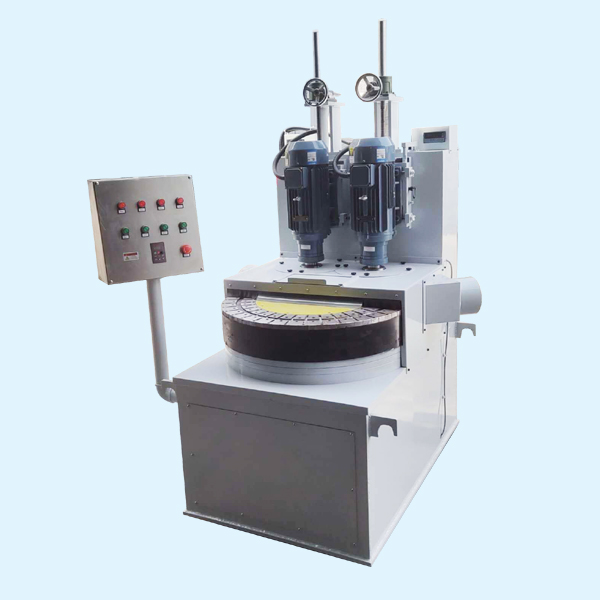
This article explores how electromagnetic disc grinding technology works, why it is becoming a preferred choice in modern manufacturing environments, and how companies can benefit from integrating this equipment into their production lines.
Abstract
An Electromagnetic Disc Grinding Machine utilizes advanced electromagnetic control technology to achieve high-precision grinding and polishing operations. Compared with conventional grinding methods, it offers greater consistency, reduced labor requirements, improved surface quality, and enhanced production efficiency. This guide explains the machine's operating principles, key features, applications, advantages, maintenance practices, and purchasing considerations to help manufacturers make informed decisions.
Table of Contents
- 1. What Is an Electromagnetic Disc Grinding Machine?
- 2. How Does the Technology Work?
- 3. Main Components of the Machine
- 4. Key Benefits for Manufacturers
- 5. Common Industrial Applications
- 6. Comparison with Traditional Grinding Methods
- 7. Factors to Consider Before Purchasing
- 8. Maintenance Tips for Long-Term Performance
- 9. Frequently Asked Questions
- 10. Conclusion
1. What Is an Electromagnetic Disc Grinding Machine?
An Electromagnetic Disc Grinding Machine is a specialized surface finishing system designed to remove material, improve flatness, and achieve precise surface roughness requirements. Unlike conventional grinding equipment, this machine uses electromagnetic force to control and stabilize the grinding process, helping operators achieve more consistent results.
The machine is particularly suitable for processing metal workpieces that require high dimensional accuracy and superior surface quality. It is widely used in industries where precision directly affects product performance and lifespan.
As manufacturing standards continue to rise, more companies are replacing traditional manual grinding operations with automated electromagnetic disc grinding systems to enhance efficiency and quality control.
2. How Does the Technology Work?
The working principle is based on electromagnetic force combined with rotating grinding discs. During operation, the electromagnetic system generates a controlled magnetic field that assists in stabilizing the grinding process and ensuring uniform pressure distribution.
Basic Working Process
- Workpieces are positioned on the grinding platform.
- The electromagnetic system secures and stabilizes the grinding environment.
- The grinding disc rotates at a predetermined speed.
- Material is removed gradually and evenly.
- The desired surface finish and dimensional tolerance are achieved.
- The finished components are unloaded for inspection.
This process minimizes vibration, improves repeatability, and helps maintain consistent quality across large production volumes.
3. Main Components of the Machine
Understanding the major components helps buyers evaluate machine quality and performance.
| Component | Function |
|---|---|
| Grinding Disc | Performs material removal and surface finishing. |
| Electromagnetic System | Provides stability and controlled operating conditions. |
| Drive Motor | Supplies rotational power to the grinding disc. |
| Control Panel | Allows operators to adjust grinding parameters. |
| Cooling System | Prevents overheating during extended operation. |
| Worktable | Supports and positions the workpiece. |
Each component plays a critical role in achieving optimal grinding performance and long-term reliability.
4. Key Benefits for Manufacturers
Superior Surface Quality
The machine produces smooth and uniform finishes with minimal surface defects, reducing the need for secondary finishing operations.
Enhanced Production Efficiency
Automation and electromagnetic stabilization significantly reduce processing times compared with traditional grinding methods.
Improved Precision
Manufacturers can achieve tighter tolerances and more consistent results, even when processing large batches.
Reduced Material Waste
Controlled grinding minimizes excessive material removal, helping lower raw material costs.
Lower Labor Requirements
Modern systems require less manual intervention, allowing operators to focus on quality monitoring and production management.
Better Equipment Stability
The electromagnetic mechanism reduces vibration and improves machine stability during operation.
5. Common Industrial Applications
Electromagnetic Disc Grinding Machines serve a wide variety of industries due to their versatility and precision.
- Automotive component manufacturing
- Bearing production
- Tool and die manufacturing
- Aerospace component finishing
- Hydraulic component processing
- Precision mold manufacturing
- Metal fabrication facilities
- Industrial machinery production
- Electronic hardware manufacturing
- Medical equipment components
These industries depend on high-quality surface finishing to ensure product reliability and performance.
6. Comparison with Traditional Grinding Methods
| Factor | Traditional Grinding | Electromagnetic Disc Grinding |
|---|---|---|
| Surface Consistency | Moderate | Excellent |
| Production Speed | Standard | High |
| Precision Control | Limited | Advanced |
| Labor Dependency | High | Lower |
| Material Waste | Higher | Reduced |
| Process Stability | Variable | Highly Stable |
| Maintenance Efficiency | Moderate | Improved |
The comparison clearly demonstrates why many manufacturers are upgrading their grinding operations to electromagnetic systems.
7. Factors to Consider Before Purchasing
Selecting the right machine requires careful evaluation of production requirements.
Production Capacity
Determine expected daily output and future expansion plans before selecting machine specifications.
Workpiece Dimensions
Consider the size, shape, and material of the components being processed.
Surface Finish Requirements
Different applications require different levels of surface roughness and precision.
Automation Level
Some facilities prefer fully automated systems, while others may require semi-automatic configurations.
After-Sales Support
Reliable technical support and spare parts availability are essential for minimizing downtime.
Pujiang Longhui Machinery Co., Ltd. offers professional solutions tailored to specific production requirements, helping customers achieve optimal grinding performance and long-term operational reliability.
8. Maintenance Tips for Long-Term Performance
Routine maintenance significantly extends equipment life and maintains consistent grinding quality.
Daily Maintenance Checklist
- Inspect grinding discs for wear.
- Clean machine surfaces and working areas.
- Check cooling system performance.
- Verify control panel functionality.
- Remove accumulated debris.
Weekly Maintenance Checklist
- Inspect electrical connections.
- Check lubrication levels.
- Examine drive components.
- Verify alignment accuracy.
Monthly Maintenance Checklist
- Perform comprehensive system inspection.
- Evaluate grinding accuracy.
- Replace worn components when necessary.
- Test safety systems and emergency controls.
A proactive maintenance strategy helps reduce unexpected downtime and protects equipment investment.
9. Frequently Asked Questions
Q1: What materials can be processed using an Electromagnetic Disc Grinding Machine?
The machine can process various metals, alloys, hardened steel components, bearings, molds, and precision industrial parts.
Q2: Is the machine suitable for mass production?
Yes. Its high efficiency and process consistency make it ideal for both medium-volume and large-scale manufacturing operations.
Q3: Does electromagnetic technology improve grinding accuracy?
Yes. The electromagnetic system helps stabilize the grinding process, resulting in better dimensional accuracy and surface consistency.
Q4: How often should grinding discs be replaced?
Replacement intervals depend on usage frequency, workpiece material, and production volume. Regular inspections are recommended.
Q5: Can the machine be customized?
Many manufacturers, including Pujiang Longhui Machinery Co., Ltd., can provide customized configurations based on customer production requirements.
10. Conclusion
An Electromagnetic Disc Grinding Machine is an effective solution for manufacturers seeking greater precision, higher productivity, and improved product quality. By combining advanced electromagnetic technology with reliable grinding performance, these machines help businesses reduce costs, enhance consistency, and remain competitive in demanding markets.
Whether you are upgrading an existing production line or investing in new surface finishing equipment, choosing the right grinding solution can deliver significant long-term benefits. Pujiang Longhui Machinery Co., Ltd. provides professional electromagnetic disc grinding machine solutions designed to meet diverse industrial requirements and support sustainable production growth.
Looking for a reliable Electromagnetic Disc Grinding Machine supplier? Contact Pujiang Longhui Machinery Co., Ltd. today to discuss your project requirements, receive expert technical guidance, and discover how our advanced grinding solutions can improve your manufacturing efficiency, product quality, and profitability. Contact us now for customized recommendations and a competitive quotation.