

Heating, ventilation, and air conditioning (HVAC) systems are among the most energy-intensive installations in hotel buildings. Rising electricity prices, fluctuating occupancy rates, aging equipment, and increasing guest expectations make HVAC energy management a major operational challenge. This article explores practical hotel HVAC energy saving strategies, including intelligent temperature control, high-efficiency equipment, heat pump technology, zoning, preventive maintenance, and system retrofits. It also explains how hotel operators can evaluate their existing systems, reduce unnecessary energy consumption, and maintain a comfortable indoor environment without compromising the guest experience.
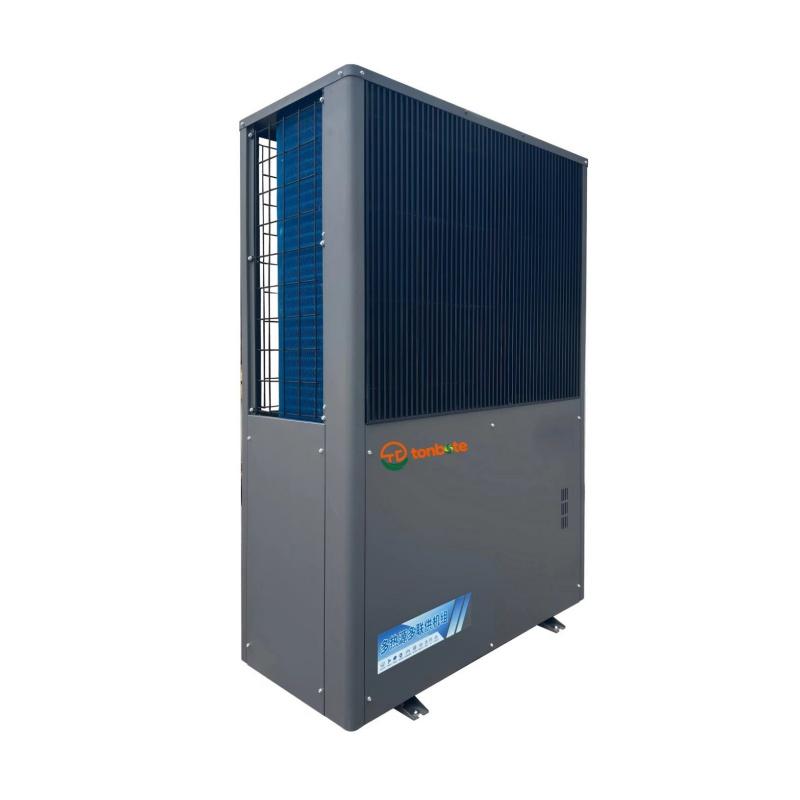
Table of Contents
- Why Is HVAC Energy Consumption a Major Hotel Challenge?
- Where Do Hotels Lose the Most HVAC Energy?
- How Does Smart HVAC Control Improve Energy Efficiency?
- Which HVAC Technologies Help Reduce Hotel Energy Costs?
- How Can Hotels Upgrade Existing HVAC Systems?
- Why Is Regular HVAC Maintenance Essential?
- How Can Hotels Build an Effective Energy-Saving Plan?
- How Should Hotels Evaluate HVAC Energy-Saving Investments?
- Choosing the Right HVAC Technology Partner
- Frequently Asked Questions
1. Why Is HVAC Energy Consumption a Major Hotel Challenge?
Hotels operate differently from conventional office buildings. Guest rooms, restaurants, conference halls, kitchens, swimming pools, and public areas all have different heating and cooling requirements. Some spaces need continuous climate control, while others experience significant changes in occupancy throughout the day.
As a result, HVAC systems must respond to changing indoor conditions while maintaining stable temperatures and adequate ventilation. When equipment runs continuously at unnecessary capacity, energy consumption can increase significantly.
The Main Factors Driving Hotel HVAC Costs
- Variable occupancy: Empty guest rooms may continue consuming energy because air conditioning or heating systems are left running.
- Extended operating hours: Hotel facilities often operate around the clock, creating substantial annual energy demand.
- Different thermal requirements: Restaurants, meeting rooms, guest rooms, and lobbies require different temperature settings.
- Aging equipment: Older compressors, pumps, fans, and control systems may operate less efficiently than modern alternatives.
- Seasonal fluctuations: Extreme outdoor temperatures increase heating and cooling loads.
2. Where Do Hotels Lose the Most HVAC Energy?
Before investing in new equipment, hotel managers should understand where energy is being wasted. In many properties, the biggest opportunities come from operational inefficiencies rather than equipment replacement alone.
Common Sources of Unnecessary Energy Consumption
| Problem | Why It Increases Energy Use | Practical Improvement |
|---|---|---|
| Cooling unoccupied rooms | HVAC equipment continues operating without guests. | Integrate occupancy sensors and room management controls. |
| Incorrect temperature settings | Excessive heating or cooling increases system workload. | Establish suitable temperature ranges. |
| Dirty air filters | Restricted airflow increases fan resistance and reduces performance. | Clean or replace filters regularly. |
| Air leakage | Uncontrolled outdoor air increases heating and cooling loads. | Improve insulation, sealing, and door and window performance. |
| Unbalanced HVAC systems | Some areas receive excessive airflow while others remain uncomfortable. | Review airflow distribution and system balancing. |
| Outdated equipment | Older components may consume more electricity to deliver the same output. | Evaluate high-efficiency replacement or retrofit options. |
Hotel operators should review utility bills, equipment operating records, building management data, and guest complaints together. For example, consistently high electricity consumption during low-occupancy periods may indicate that room-level controls or operating schedules need improvement.
3. How Does Smart HVAC Control Improve Energy Efficiency?
Smart control is one of the most practical ways to improve HVAC performance in hotels. Instead of operating every system at a fixed setting, intelligent controls adjust heating and cooling according to occupancy, time, temperature, and actual demand.
3.1 Occupancy-Based Temperature Management
Guest rooms are not occupied continuously. Occupancy sensors, key-card systems, and room management platforms can help adjust HVAC operation when guests leave their rooms.
For example, a hotel can maintain normal comfort settings when a room is occupied and use an appropriate energy-saving setting when it is vacant. The system can then restore the desired temperature before guests return, depending on equipment capacity and control integration.
3.2 Building Management Systems
A Building Management System (BMS) allows hotel engineering teams to monitor and manage multiple building services from a centralized interface. Depending on system compatibility, it can coordinate:
- Heating and cooling schedules.
- Indoor temperature and humidity monitoring.
- Air handling units and ventilation equipment.
- Chiller, heat pump, and pump operation.
- Equipment alarms and abnormal operating conditions.
3.3 Variable-Speed Technology
Traditional HVAC equipment may operate at relatively fixed output levels even when the building requires less heating or cooling. Variable-speed compressors, pumps, and fans can adjust their output according to demand.
This helps reduce unnecessary full-load operation and can improve part-load efficiency. However, the actual benefit depends on equipment selection, control settings, system design, and operating conditions.
4. Which HVAC Technologies Help Reduce Hotel Energy Costs?
Equipment selection has a direct influence on hotel energy consumption, maintenance requirements, and long-term operating expenses. Modern HVAC solutions provide several opportunities to improve system efficiency.
4.1 High-Efficiency Heat Pump Systems
Heat pumps transfer heat rather than generating it entirely through electrical resistance heating. Depending on outdoor conditions and system design, they can provide efficient heating and cooling for different hotel applications.
Air-source heat pumps are commonly considered for hotels seeking an integrated solution for space conditioning and, where appropriately designed, hot water production. Their suitability depends on local climate, required water temperatures, building load, and available installation space.
4.2 High-Efficiency Compressors
The compressor is a major component in many refrigeration and air conditioning systems. Selecting a compressor with suitable capacity and operating characteristics can improve overall equipment performance.
For hotels with changing cooling demand, inverter-driven compressors can adjust output instead of repeatedly operating at full capacity. Proper refrigerant selection, heat exchange design, and system commissioning are also important.
4.3 Efficient Fans and Air Handling Equipment
Ventilation systems are essential for maintaining indoor air quality. Efficient fan motors, appropriate duct design, and demand-controlled ventilation can help reduce unnecessary electricity consumption while maintaining required outdoor air supply.
4.4 Solar-Assisted HVAC Solutions
Hotels with suitable roof space and solar resources may consider integrating photovoltaic systems with HVAC equipment. Solar electricity can offset part of the building's daytime electrical demand, particularly when cooling demand is high during sunny periods.
However, system sizing should account for electricity consumption patterns, available roof area, local grid conditions, and energy storage requirements. Solar power is a complementary energy strategy rather than a direct substitute for efficient HVAC design.
Comparison of Common Energy-Saving Technologies
| Technology | Primary Function | Potential Application | Key Consideration |
|---|---|---|---|
| Heat pump | Efficient heating and cooling | Guest rooms and central HVAC | Climate and temperature requirements |
| Inverter compressor | Adjusts cooling capacity | Variable-load cooling systems | Part-load performance |
| Variable-speed fan | Adjusts airflow | Ventilation and air handling | Airflow and indoor air quality |
| Smart thermostat | Optimizes temperature settings | Individual guest rooms | Sensor and control compatibility |
| Solar PV integration | Offsets grid electricity consumption | Hotel-wide electrical supply | Generation and demand matching |
5. How Can Hotels Upgrade Existing HVAC Systems?
Replacing an entire HVAC installation can involve significant capital expenditure, construction work, and disruption to hotel operations. For many existing properties, a phased HVAC retrofit is a more practical approach.
Step 1: Conduct an Existing-System Assessment
Start by examining equipment age, cooling and heating capacity, energy consumption, maintenance records, refrigerant type, and operating schedules. Identify equipment that frequently breaks down or operates inefficiently.
Step 2: Identify High-Priority Improvements
Not every component needs immediate replacement. Hotels can prioritize improvements based on energy waste, equipment condition, investment cost, and operational importance.
Step 3: Upgrade Controls Before Major Replacement
In some buildings, adjusting control logic, correcting temperature settings, balancing airflow, and improving equipment scheduling can deliver meaningful operational improvements without replacing major equipment.
Step 4: Replace Inefficient Equipment in Phases
Where replacement is necessary, hotels can consider high-efficiency chillers, heat pumps, compressors, fan motors, and other compatible equipment. The selection should reflect the actual building load rather than simply choosing the largest available capacity.
Step 5: Commission and Verify Performance
After installation, engineers should verify operating parameters, airflow, temperature control, equipment communication, and safety functions. Comparing energy consumption before and after the upgrade helps determine whether the project is delivering its expected results.
6. Why Is Regular HVAC Maintenance Essential?
Even high-efficiency equipment can lose performance when maintenance is neglected. Dirty filters, refrigerant leaks, blocked heat exchangers, incorrect system settings, and worn components can increase energy consumption and reduce equipment reliability.
Recommended Hotel HVAC Maintenance Checklist
- Monthly: Inspect air filters, check unusual noise or vibration, and review equipment alarms.
- Quarterly: Inspect coils, condensate drainage, airflow, and visible refrigerant or water leaks.
- Seasonally: Review heating and cooling schedules before peak summer and winter demand.
- Annually: Conduct a comprehensive system inspection, performance evaluation, and control-system review.
Maintenance frequency should follow manufacturer recommendations, equipment conditions, local regulations, and actual operating hours. Hotels with high occupancy or demanding operating environments may require more frequent inspections.
It is also useful to train engineering staff to identify abnormal operating conditions early. A small airflow problem or sensor malfunction can remain unnoticed for weeks if there is no consistent monitoring process.
7. How Can Hotels Build an Effective Energy-Saving Plan?
Energy efficiency improvements are more effective when they follow a measurable plan instead of relying on isolated equipment purchases. Hotel owners, facility managers, and engineering teams should establish clear targets and monitor performance over time.
A Practical Five-Stage Implementation Plan
- Measure current consumption: Collect electricity bills, HVAC operating hours, occupancy rates, and equipment performance data.
- Establish a baseline: Compare consumption across similar periods while accounting for weather, occupancy, and operating conditions.
- Identify improvement opportunities: Review temperature settings, room controls, equipment efficiency, ventilation, and maintenance.
- Implement prioritized upgrades: Start with practical improvements and schedule larger investments according to budget and operational needs.
- Monitor and optimize: Compare actual performance with the baseline and adjust system settings when necessary.
Key Performance Indicators to Monitor
- HVAC electricity consumption.
- Energy use per occupied room.
- Energy use per available room.
- Heating and cooling system operating hours.
- Indoor temperature and humidity consistency.
- Maintenance frequency and equipment downtime.
Energy consumption per occupied room is particularly useful for understanding how efficiently a hotel operates under changing occupancy conditions. However, comparisons should account for building size, climate, service levels, and differences in facilities.
8. How Should Hotels Evaluate HVAC Energy-Saving Investments?
Energy-saving projects should be evaluated according to both financial and operational performance. A lower equipment purchase price does not necessarily mean a lower total cost of ownership.
Consider the Total Cost of Ownership
Before purchasing HVAC equipment, hotel decision-makers should consider:
- Initial equipment and installation costs.
- Expected electricity consumption under actual operating conditions.
- Routine maintenance and replacement parts.
- Expected service life and equipment reliability.
- Compatibility with existing infrastructure.
- Potential disruption during installation and commissioning.
Understand the Payback Period
A simple payback calculation can help hotels compare different investment options.
Payback Period = Initial Investment ÷ Annual Net Cost Savings
For example, if an HVAC upgrade costs $50,000 and generates an estimated annual net saving of $10,000, the simple payback period is five years.
This is an illustrative calculation. Actual investment decisions should also consider electricity price changes, maintenance savings, financing costs, equipment life, and other project expenses.
Hotels should request performance data and clearly defined project assumptions from suppliers. Efficiency ratings, test conditions, capacity, and operating temperatures should be reviewed together rather than relying on a single advertised efficiency figure.
9. Choosing the Right HVAC Technology Partner
Achieving long-term energy efficiency requires more than purchasing individual HVAC components. Hotels need equipment that matches their building requirements, operating conditions, and future expansion plans.
Working with an experienced HVAC manufacturer can help hotel developers, engineering contractors, and system integrators evaluate suitable equipment configurations for different applications.
Dongguan Tongbaote Intelligent Technology Co., Ltd. provides industrial air conditioning and heat pump solutions, with a focus on OEM and ODM manufacturing for international markets. Its product capabilities are relevant to project developers and equipment buyers looking for customized heating and cooling solutions.
When evaluating an HVAC manufacturing partner, hotel project owners and procurement teams should pay attention to several factors:
- Product suitability: Whether the equipment matches the project's heating and cooling requirements.
- Customization capability: Whether the manufacturer can support OEM and ODM requirements.
- Technical documentation: Availability of product specifications, performance data, installation guidance, and maintenance information.
- Quality management: Manufacturing processes, quality inspection procedures, and relevant certifications.
- After-sales support: Availability of technical assistance, spare parts, and troubleshooting support.
For hotel HVAC projects, the right manufacturer should be able to communicate technical requirements clearly and help buyers assess equipment suitability before procurement. This is especially important for projects involving customized configurations, energy efficiency targets, and integration with existing building systems.
10. Frequently Asked Questions About Hotel HVAC Energy Saving
Q1: What is the most effective way to reduce HVAC energy consumption in hotels?
The most effective approach depends on the hotel's existing equipment and operating conditions. Occupancy-based temperature control, efficient equipment, proper scheduling, regular maintenance, and system optimization are common starting points. An energy audit can help identify the most cost-effective improvements.
Q2: Can smart thermostats reduce hotel energy costs?
Yes. Smart thermostats can adjust heating and cooling according to room occupancy and temperature requirements. They help prevent unnecessary HVAC operation in vacant rooms, although actual savings depend on the control strategy, equipment, guest behavior, and building characteristics.
Q3: Are heat pumps suitable for hotel HVAC applications?
Heat pumps can be suitable for many hotel applications, including space heating and cooling. Their performance depends on outdoor temperature, required heating output, system design, and installation conditions. Hotels should evaluate seasonal performance and operating requirements before selecting a system.
Q4: How often should hotel HVAC systems be maintained?
Hotel HVAC systems should be inspected regularly according to manufacturer recommendations and operating conditions. Air filters may require monthly inspection, while comprehensive equipment and control-system assessments are generally performed seasonally or annually.
Q5: Is HVAC retrofitting better than replacing an entire system?
Not necessarily in every situation, but retrofitting can be a cost-effective option when existing equipment remains serviceable. Hotels can upgrade controls, motors, compressors, and selected components in phases. Severely outdated or unreliable systems may benefit more from complete replacement.
Q6: How can hotels measure HVAC energy-saving performance?
Hotels can compare electricity consumption before and after improvements, using indicators such as energy consumption per occupied room, HVAC operating hours, and overall building energy use. Weather and occupancy differences should be considered to make the comparison meaningful.
Q7: What should hotel buyers consider when selecting an HVAC manufacturer?
Important factors include equipment efficiency, product reliability, customization capabilities, technical documentation, manufacturing quality, certifications, compatibility, and after-sales support. Buyers should also confirm that the selected equipment matches the project's actual load and installation conditions.
Conclusion: Make Hotel HVAC Efficiency a Long-Term Investment
Hotel HVAC energy saving is a continuous process that combines efficient equipment, intelligent controls, appropriate system design, preventive maintenance, and performance monitoring. Rather than focusing on a single technology or short-term cost reduction, hotel operators should develop an integrated strategy that balances energy consumption, indoor comfort, equipment reliability, and investment returns.
Whether a hotel is developing a new property, renovating an existing building, or upgrading outdated heating and cooling equipment, choosing suitable HVAC solutions is essential to long-term operational performance.
Looking for Customized HVAC Solutions for Your Hotel Project?
Explore efficient industrial air conditioning and heat pump solutions with Dongguan Tongbaote Intelligent Technology Co., Ltd. Whether you are an HVAC distributor, engineering contractor, hotel project developer, or equipment buyer, our team can help you explore suitable OEM and ODM solutions based on your project requirements.
Contact us today to discuss your HVAC application, technical specifications, and customized manufacturing needs.