Article Summary
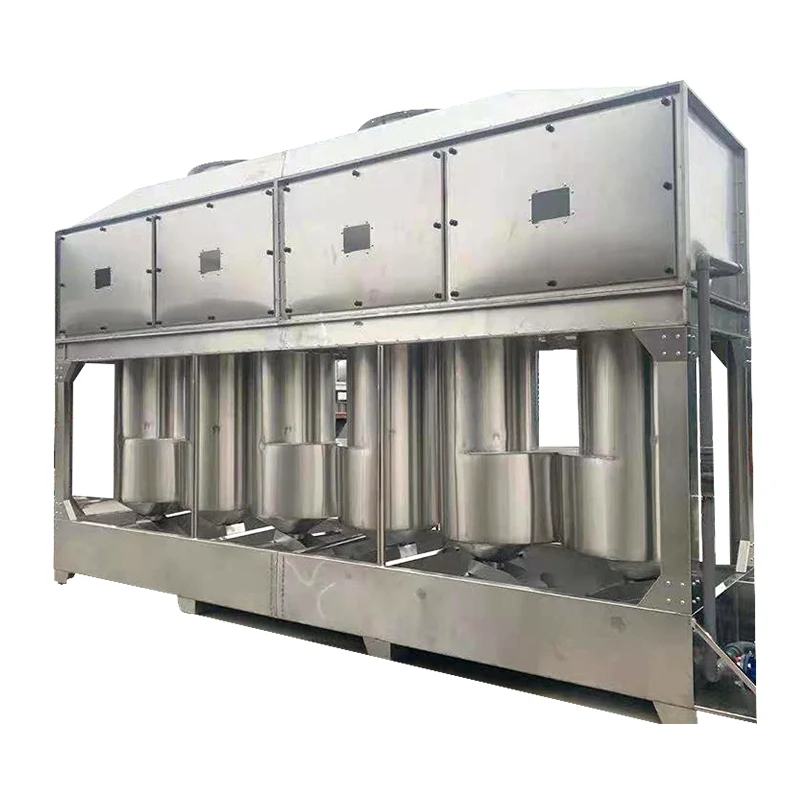
Industrial dust has become a critical challenge for modern manufacturing facilities, affecting worker health, equipment performance, product quality, and environmental compliance. Choosing the right Industrial Dust Removal Equipment can help companies control airborne particles, maintain cleaner production environments, and improve operational efficiency. This article explains how dust removal systems work, what problems they solve, how to select suitable equipment, and why professional solutions are essential for long-term industrial development. With advanced technology and industry experience, DeFa Environmental Equipment (Ningbo) Co., Ltd. provides reliable dust control solutions designed for different industrial applications.
Article Outline
-
Understanding the importance of industrial dust management
-
Identifying common dust-related problems in manufacturing environments
-
Explaining the operating principles of dust collection systems
-
Comparing different types of industrial dust removal equipment
-
Guiding companies in equipment selection and application planning
-
Highlighting the value of professional dust control solutions
-
Sharing maintenance strategies for stable operation
-
Answering common questions from industrial users
Why Industrial Dust Control Has Become Essential
Industrial production processes often generate large amounts of dust particles, including metal dust, wood particles, chemical powder, mineral dust, and other airborne contaminants. Without effective control measures, these particles can spread throughout workshops, affecting employees, machinery, and production quality.
Factories in industries such as metal processing, mining, woodworking, chemical manufacturing, food processing, and construction materials require efficient dust management systems to create safer and cleaner working environments. Industrial Dust Removal Equipment is designed to capture dust at its source, prevent contamination, and maintain continuous production conditions.
A well-designed dust removal system is not only a cleaning solution but also an important investment in workplace protection, equipment reliability, and sustainable manufacturing development.
What Problems Can Industrial Dust Removal Equipment Solve?
Many industrial companies experience operational difficulties caused by uncontrolled dust accumulation. Professional dust removal equipment helps solve these challenges effectively.
|
Industrial Dust Problem
|
Potential Impact
|
Dust Removal Solution
|
|
High concentration of airborne particles
|
Health risks for workers and poor workplace conditions
|
Efficient filtration and dust collection systems
|
|
Dust accumulation on machines
|
Reduced equipment lifespan and increased maintenance costs
|
Continuous dust extraction technology
|
|
Contaminated production environment
|
Lower product quality and increased rejection rates
|
Source capture and air purification systems
|
|
Environmental compliance pressure
|
Possible penalties and operational restrictions
|
Advanced industrial dust control solutions
|
By addressing these issues, Industrial Dust Removal Equipment allows manufacturers to create cleaner production areas while improving overall operational stability.
How Does Industrial Dust Removal Equipment Work?
Industrial dust removal systems operate by capturing contaminated air, separating dust particles from airflow, and releasing purified air back into the workplace or environment. Different systems may use different filtration technologies depending on dust characteristics and production requirements.
The general working process includes several key steps:
-
Dust Collection: Dust is captured from production points through suction hoods, pipelines, or extraction devices.
-
Air Transportation: Fans create airflow that moves dust-containing air into the filtration system.
-
Particle Separation: Filters or separation units remove dust particles from the airflow.
-
Clean Air Release: Filtered air is discharged after meeting required cleanliness standards.
-
Dust Disposal: Collected dust is removed safely through collection containers or discharge systems.
The effectiveness of a dust removal system depends on factors such as airflow design, filtration efficiency, equipment structure, and proper installation.
What Types of Industrial Dust Removal Equipment Are Available?
Different industries generate different types of dust, meaning companies need customized solutions rather than one universal system. Common industrial dust removal equipment includes:
|
Equipment Type
|
Main Features
|
Typical Applications
|
|
Bag Filter Dust Collector
|
High filtration efficiency and reliable dust separation
|
Metal processing, chemical plants, material production
|
|
Cartridge Dust Collector
|
Compact structure and easy maintenance
|
Welding, grinding, precision manufacturing
|
|
Cyclone Dust Collector
|
Uses centrifugal force for particle separation
|
Larger dust particles and preliminary filtration
|
|
Wet Dust Collector
|
Uses liquid systems to capture dust particles
|
Special industrial environments requiring moisture-based filtration
|
Selecting the appropriate equipment type requires a detailed analysis of dust properties, production processes, airflow requirements, and environmental conditions.
How to Choose the Right Dust Removal System for Your Factory?
Choosing Industrial Dust Removal Equipment requires careful consideration because an unsuitable system may result in low efficiency, higher energy consumption, and unnecessary operating costs.
-
Identify Dust Characteristics: Understand particle size, material composition, moisture level, and potential hazards.
-
Evaluate Airflow Requirements: Calculate the required extraction volume based on production conditions.
-
Consider Installation Space: Select equipment that matches available factory space.
-
Check Filtration Performance: Ensure the system can achieve the required cleaning efficiency.
-
Focus on Maintenance: Choose equipment with convenient inspection and replacement procedures.
-
Work with Experienced Manufacturers: Professional suppliers can provide customized designs and technical support.
DeFa Environmental Equipment (Ningbo) Co., Ltd. focuses on providing industrial environmental protection equipment with practical engineering solutions. The company develops dust removal systems according to different industrial requirements, helping customers achieve efficient dust management and cleaner production environments.
What Benefits Can Businesses Gain from Professional Dust Removal Solutions?
Investing in high-quality Industrial Dust Removal Equipment provides multiple advantages for manufacturing companies.
|
Benefit
|
Business Value
|
|
Improved Workplace Safety
|
Reduces exposure to harmful airborne particles and creates healthier working conditions.
|
|
Higher Production Quality
|
Prevents dust contamination from affecting finished products.
|
|
Extended Equipment Life
|
Reduces dust buildup on machinery and decreases maintenance frequency.
|
|
Better Environmental Performance
|
Supports cleaner manufacturing practices and regulatory requirements.
|
|
Lower Long-Term Costs
|
Improves operational efficiency and reduces unnecessary downtime.
|
How to Maintain Industrial Dust Removal Equipment for Long-Term Performance?
Regular maintenance is essential for keeping dust removal systems operating efficiently. Even advanced equipment requires proper management to maintain stable performance.
-
Inspect filters regularly and replace damaged components promptly.
-
Clean dust collection areas to prevent excessive accumulation.
-
Check fans, motors, and electrical systems periodically.
-
Monitor airflow performance to identify possible problems early.
-
Follow manufacturer maintenance recommendations.
A preventive maintenance program can significantly improve equipment reliability and reduce unexpected production interruptions.
Frequently Asked Questions About Industrial Dust Removal Equipment
1. What industries need Industrial Dust Removal Equipment?
Industries including metal fabrication, woodworking, mining, chemical processing, food production, and construction materials commonly require dust removal systems to control airborne particles.
2. How often should dust removal equipment be maintained?
Maintenance frequency depends on operating hours, dust concentration, and equipment design. Regular inspection is recommended to ensure continuous efficiency.
3. Can dust removal systems be customized?
Yes. Professional manufacturers can design solutions according to factory layout, dust type, airflow requirements, and production processes.
4. Why is professional installation important?
Proper installation ensures correct airflow distribution, filtration efficiency, and stable system operation. Incorrect installation may reduce dust collection performance.
5. How can companies improve dust control efficiency?
Companies can improve efficiency by selecting suitable equipment, capturing dust at the source, maintaining filters regularly, and cooperating with experienced suppliers.
Conclusion
Industrial dust management is an essential part of modern manufacturing. Effective Industrial Dust Removal Equipment helps companies create safer workplaces, improve production quality, protect machinery, and achieve more sustainable operations.
With professional engineering capabilities and industry-focused solutions, DeFa Environmental Equipment (Ningbo) Co., Ltd. provides reliable dust removal systems designed to meet different industrial challenges. For customized solutions, professional technical support, and efficient dust control equipment, contact us today to improve your production environment and build a cleaner future.