

Modern industries are continuously searching for cleaner, safer, and more efficient surface treatment solutions. Traditional cleaning methods such as chemical washing, sandblasting, and mechanical grinding often create problems including secondary pollution, high labor requirements, material damage, and complicated waste disposal. Laser cleaning technology provides an advanced alternative by using concentrated laser energy to remove rust, paint, oil, oxide layers, and contaminants without damaging the original surface.
Choosing reliable laser cleaning machine manufacturers is an important decision for companies that want stable equipment performance, professional technical support, and long-term production benefits. This guide explains how manufacturers contribute to better cleaning solutions, what factors buyers should evaluate, and how laser cleaning machines solve common industrial challenges.
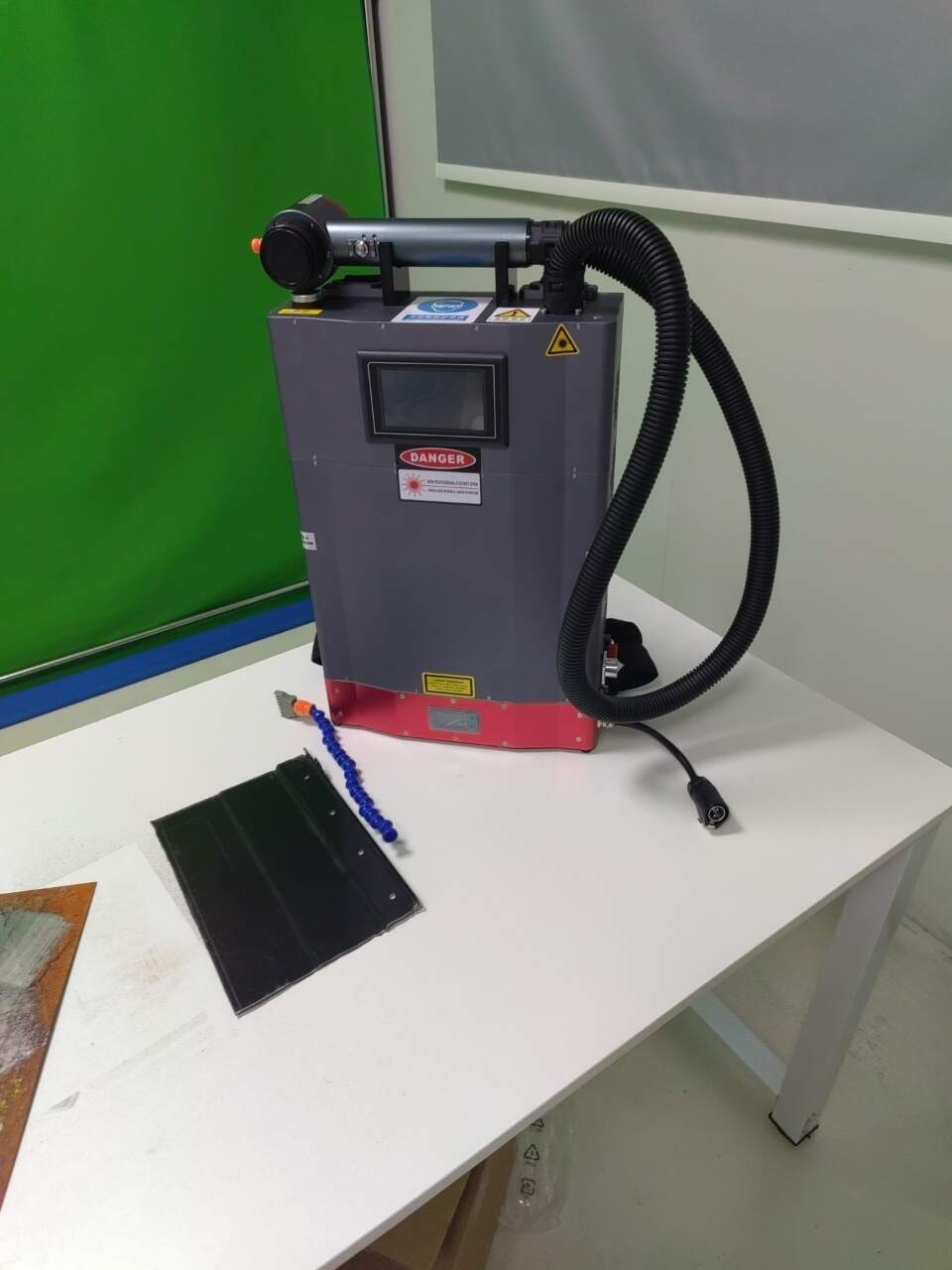
1. What Is a Laser Cleaning Machine?
A laser cleaning machine is an industrial surface treatment device that uses high-energy laser beams to remove unwanted materials from a target surface. Instead of relying on physical contact or chemical solutions, the machine precisely transfers laser energy to contaminants, causing them to evaporate, separate, or break away from the base material.
The cleaning process can remove various surface layers, including rust, paint coatings, oil stains, dust, carbon deposits, and oxidation. Because the laser can be accurately controlled, operators can clean specific areas while minimizing damage to the underlying material.
Modern laser cleaning systems usually include several important components:
- Laser source for generating controlled cleaning energy.
- Scanning system for directing the laser beam accurately.
- Control interface for adjusting cleaning parameters.
- Cooling system for maintaining stable operation.
- Handheld or automated cleaning head according to application requirements.
2. How Laser Cleaning Machine Manufacturers Support Industrial Users
Professional laser cleaning machine manufacturers do much more than supply equipment. They help customers identify suitable solutions according to material type, contamination level, production requirements, and working environment.
Understanding Application Requirements
Every cleaning project has different requirements. Removing rust from steel structures requires different parameters compared with removing paint from automotive components or preparing metal surfaces before welding.
Experienced manufacturers analyze factors such as:
- Material composition of the workpiece.
- Thickness and type of contamination.
- Required cleaning speed.
- Production environment.
- Operator experience and safety requirements.
Providing Suitable Equipment Configuration
A reliable manufacturer helps customers select the appropriate laser power, cleaning mode, scanning width, and control functions. Incorrect equipment selection can lead to inefficient cleaning, unnecessary investment, or unsuitable processing results.
For example, light maintenance tasks may require compact handheld equipment, while large-scale industrial cleaning operations may need higher-power systems with automated integration capabilities.
Supporting Installation and Training
Laser cleaning machines require proper installation and parameter adjustment to achieve consistent results. Professional suppliers provide guidance on operation procedures, safety requirements, and maintenance methods.
Jinan Luyue CNC Equipment Co., Ltd. focuses on providing industrial laser equipment solutions and supporting customers with reliable machine performance, practical application experience, and professional service.
3. Why Industries Choose Laser Cleaning Technology
Industrial users face increasing pressure to improve efficiency while reducing operational costs. Laser cleaning technology addresses many limitations found in conventional cleaning processes.
1. Environmentally Friendly Cleaning Process
Traditional cleaning methods may require chemical solvents, large amounts of water, or abrasive materials. These processes can create waste disposal challenges and increase environmental management costs.
Laser cleaning is a dry process that generally requires no chemical cleaning agents. This helps companies reduce consumable usage and simplify waste management.
2. Reduced Material Damage
Mechanical cleaning methods can create scratches, deformation, or surface wear because they rely on physical force. Laser cleaning uses controlled energy, allowing operators to treat sensitive surfaces more carefully.
3. Improved Cleaning Precision
Laser systems can target specific areas with high accuracy. This is valuable for industries requiring detailed cleaning before coating, welding, inspection, or assembly.
4. Lower Long-Term Operating Costs
Although laser cleaning machines require initial investment, reduced consumable costs, lower waste treatment requirements, and improved efficiency can provide significant long-term value.
| Cleaning Factor | Traditional Methods | Laser Cleaning |
|---|---|---|
| Consumables | Chemicals, abrasives, water | Minimal consumable requirements |
| Surface Protection | Possible mechanical damage | Controlled non-contact processing |
| Waste Production | Requires additional disposal | Lower waste generation |
| Precision | Limited control | High accuracy cleaning |
4. Where Are Laser Cleaning Machines Commonly Used?
Laser cleaning technology has become increasingly popular across multiple industries because of its flexibility, precision, and ability to handle different surface conditions. From heavy manufacturing to detailed component preparation, laser cleaning machines help companies improve production quality while reducing complicated cleaning procedures.
Automotive Manufacturing
Automotive production requires clean and reliable surfaces for welding, bonding, coating, and inspection processes. Oil residue, oxidation, and manufacturing contaminants can affect final product quality.
Laser cleaning machines are commonly used for:
- Removing rust and oxidation from metal components.
- Preparing welding areas before joining processes.
- Cleaning molds and production tools.
- Removing paint coatings during repair operations.
Aerospace Industry
Aerospace components require strict surface quality standards. Traditional cleaning methods may create unwanted surface changes or leave chemical residues.
Laser cleaning provides controlled processing for aircraft parts, engine components, and precision metal surfaces where accuracy is extremely important.
Metal Fabrication and Manufacturing
Metal manufacturers often need to remove rust, oil, oxide layers, and coatings before further processing. Laser cleaning improves preparation efficiency before welding, painting, or surface inspection.
Shipbuilding and Heavy Equipment Maintenance
Large industrial equipment frequently suffers from corrosion caused by moisture, salt, and harsh operating conditions. Portable laser cleaning machines allow operators to perform maintenance directly on large structures without transporting heavy parts.
Electronic and Precision Component Industries
Precision industries require gentle cleaning methods that avoid excessive physical force. Laser technology can provide accurate treatment for selected applications where conventional methods may be unsuitable.
| Industry | Typical Cleaning Requirement | Laser Cleaning Benefit |
|---|---|---|
| Automotive | Welding preparation and coating removal | Precise surface treatment |
| Aerospace | Component cleaning and maintenance | Reduced surface impact |
| Metal Processing | Rust and oxide removal | Fast preparation process |
| Shipbuilding | Large-area corrosion removal | Portable operation capability |
| Electronics | Precision contamination removal | Controlled cleaning accuracy |
5. How to Select Suitable Laser Cleaning Machine Manufacturers?
Choosing the right supplier is an important step because the quality of the equipment, technical support, and application experience directly affect future operating results. Buyers should evaluate manufacturers from several practical perspectives.
Evaluate Technical Experience
A professional manufacturer should understand different industrial cleaning requirements rather than only provide standard equipment. Experience with various materials and applications helps ensure that the recommended machine matches the actual production environment.
Check Machine Quality and Configuration
Important factors to review include:
- Laser source reliability and service life.
- Power options suitable for different applications.
- Control system convenience.
- Cleaning head design.
- Cooling performance.
- Safety protection features.
Consider After-Sales Support
Industrial equipment requires long-term operation. Reliable technical support helps customers solve problems quickly and maintain stable productivity.
Before purchasing, customers should understand:
- Installation guidance availability.
- Operator training support.
- Spare parts supply.
- Technical consultation services.
Compare Total Operating Value
The lowest initial price does not always represent the best investment. A high-quality machine with stable performance, efficient cleaning capability, and reliable support may provide better long-term value.
6. How Does Laser Cleaning Compare With Traditional Cleaning Methods?
Many companies consider replacing traditional cleaning methods because of increasing requirements for efficiency, environmental management, and product quality. Understanding the differences helps decision-makers select the right technology.
| Comparison Item | Chemical Cleaning | Mechanical Cleaning | Laser Cleaning |
|---|---|---|---|
| Cleaning Method | Chemical reaction | Physical contact | Laser energy treatment |
| Surface Contact | Direct chemical contact | Direct mechanical contact | Non-contact processing |
| Waste Handling | Chemical waste management required | Abrasive waste generation | Lower waste production |
| Precision Control | Limited | Depends on operator skill | Highly adjustable |
| Automation Potential | Medium | Medium | High |
While laser cleaning provides many advantages, it should be selected according to the specific application. Material characteristics, contamination thickness, required cleaning depth, and production goals should all be considered before implementation.
7. Maintenance and Operation Tips for Laser Cleaning Machines
Proper operation and maintenance help maintain cleaning performance and extend equipment service life. Although laser cleaning machines are designed for industrial reliability, regular inspection remains important.
Keep the Equipment Environment Suitable
- Maintain proper ventilation around the machine.
- Avoid excessive dust accumulation near critical components.
- Keep electrical systems protected from moisture.
- Operate within recommended temperature conditions.
Perform Regular Equipment Inspection
- Check cables and connections regularly.
- Inspect the cleaning head condition.
- Monitor unusual operating sounds.
- Confirm that safety systems function correctly.
Follow Correct Operating Procedures
Operators should receive appropriate training before using laser equipment. Correct parameter adjustment is essential because excessive energy settings may affect the workpiece, while insufficient settings may reduce cleaning efficiency.
Maintain Cleaning Records
Recording cleaning parameters, maintenance activities, and operating conditions helps companies identify performance changes and improve future production processes.
8. Frequently Asked Questions
What makes laser cleaning machine manufacturers important for industrial buyers?
Reliable manufacturers provide more than equipment supply. They help customers select suitable configurations, provide technical guidance, and support long-term machine operation.
Can laser cleaning machines remove rust completely?
Laser cleaning machines can effectively remove rust and oxidation layers when the equipment parameters match the material condition. Results depend on rust thickness, surface type, laser power, and cleaning requirements.
Are laser cleaning machines safe for metal surfaces?
When properly configured, laser cleaning can remove contaminants while minimizing damage to the base material. Correct parameter adjustment is essential for different materials.
How long does a laser cleaning machine usually last?
Service life depends on component quality, operating conditions, maintenance practices, and usage frequency. Regular maintenance and proper operation help improve equipment durability.
What industries benefit most from laser cleaning technology?
Automotive, aerospace, metal manufacturing, shipbuilding, machinery maintenance, and precision industries commonly use laser cleaning solutions.
How should companies choose laser cleaning equipment power?
Selection depends on contamination type, material, cleaning speed requirements, and production conditions. Professional manufacturers can recommend suitable power levels after evaluating application details.
Does laser cleaning require chemicals or abrasive materials?
Laser cleaning generally does not require chemical cleaning agents or abrasive media, making it a cleaner alternative for many industrial applications.
Can laser cleaning machines be integrated into automated production lines?
Yes. Many laser cleaning systems can be customized for automated applications, including robotic integration and production-line solutions.
Conclusion: Choosing the Right Partner for Laser Cleaning Solutions
Laser cleaning technology is transforming industrial surface treatment by offering a more precise, efficient, and environmentally responsible approach. However, the final performance depends greatly on selecting the right equipment supplier and configuration.
Professional laser cleaning machine manufacturers help businesses overcome common challenges such as inefficient cleaning processes, high consumable costs, surface damage risks, and complicated maintenance requirements. By understanding application needs and selecting suitable technology, companies can improve productivity and create more reliable manufacturing processes.
Improve Your Surface Cleaning Process With Professional Laser Equipment
Jinan Luyue CNC Equipment Co., Ltd. specializes in advanced laser equipment solutions and provides reliable laser cleaning machines designed for industrial applications. With professional manufacturing experience and customer-focused solutions, the company helps businesses achieve efficient and precise surface treatment.
Whether you need rust removal, coating cleaning, welding preparation, or customized laser processing solutions, choosing the right equipment partner is essential for long-term success.
Visit the official website: Jinan Luyue CNC Equipment Co., Ltd. to learn more about laser cleaning solutions and available equipment options.
If you need professional advice about machine selection, application requirements, or customized solutions, please contact us today. Our team is ready to help you find a suitable laser cleaning solution for your industrial needs.