

How Do Acoustic Wall Panels Improve Indoor Sound Quality?
2026-04-22
Article Summary:
Acoustic Wall Panels are essential architectural solutions designed to control noise, reduce echo, and improve overall sound clarity in indoor environments. This article explains how they work, where they are used, and how to choose the right type for different spaces such as offices, studios, restaurants, and homes. It also provides practical buying considerations, installation insights, and frequently asked questions to help users make informed decisions when investing in acoustic treatment systems.
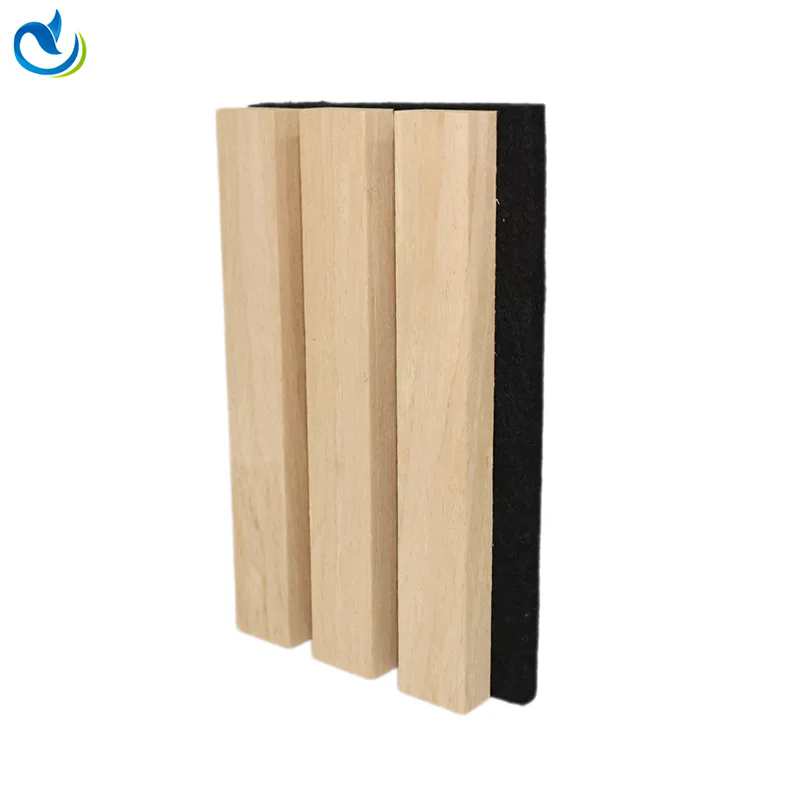
Table of Contents
1. Understanding Acoustic Wall Panels
Acoustic Wall Panels are engineered materials installed on interior walls to control sound reflection, absorption, and diffusion. Unlike decorative wall coverings, their primary purpose is functional—improving acoustics by minimizing echo and reverberation in enclosed spaces.
In modern architecture, these panels are widely used to enhance communication clarity in offices, improve recording quality in studios, and create comfortable environments in public spaces.
2. How Acoustic Wall Panels Work
Sound travels in waves and reflects when it hits hard surfaces such as concrete, glass, or metal. These reflections cause echo and noise buildup. Acoustic Wall Panels are designed to interrupt this process through sound absorption.
Working Principle:
- Sound waves enter the porous surface of the panel
- Energy is absorbed and converted into minimal heat
- Reflected sound is significantly reduced
This process helps maintain balanced sound distribution and prevents unwanted noise amplification.
3. Key Benefits in Real Environments
| Environment | Problem | Benefit of Acoustic Panels |
|---|---|---|
| Offices | Noise distraction, poor concentration | Improved focus and productivity |
| Recording Studios | Sound distortion | Clear and accurate audio capture |
| Restaurants | Excessive crowd noise | Better customer comfort |
| Home Theaters | Echo and unclear sound | Enhanced audio experience |
By reducing noise pollution, Acoustic Wall Panels significantly improve comfort, communication, and overall spatial experience.
4. Types of Acoustic Wall Panels
Different materials and designs serve different acoustic needs:
- Fabric Wrapped Panels: Ideal for offices and conference rooms due to aesthetic flexibility.
- Wood Acoustic Panels: Combine sound control with natural decorative appeal.
- Foam Panels: Common in studios for strong sound absorption.
- Perforated Panels: Used in large public spaces for balanced acoustics.
Each type varies in density, absorption coefficient, and visual design, allowing customization based on environment requirements.
5. Installation Considerations
Proper installation is essential to maximize acoustic performance. Poor placement can significantly reduce effectiveness.
- Identify primary reflection points in the room
- Cover first reflection surfaces on walls and ceilings
- Maintain symmetrical placement for balanced sound
- Avoid over-covering to preserve natural acoustics
Professional installation is recommended for large or complex environments to ensure optimal sound distribution.
6. Buying Guide and Selection Factors
Choosing the right Acoustic Wall Panels depends on multiple technical and environmental factors.
- Noise Reduction Coefficient (NRC): Higher NRC means better absorption
- Material Quality: Determines durability and performance
- Design Compatibility: Should match interior aesthetics
- Fire Resistance: Important for safety compliance
- Room Size: Larger spaces require more coverage
For more product details, you may refer to this resource:
Acoustic Wall Panels Product Overview
7. Common Applications
Acoustic Wall Panels are widely adopted across industries due to their versatility:
- Corporate offices and meeting rooms
- Music studios and podcast rooms
- Educational institutions
- Hospitals and healthcare facilities
- Restaurants, cafes, and hotels
- Residential home theaters and living rooms
Their adaptability makes them a core component of modern interior acoustic design.
8. FAQ
Q1: Do Acoustic Wall Panels completely block noise?
No. They reduce echo and improve sound clarity but do not fully block external noise like soundproof barriers.
Q2: Can they be installed in residential homes?
Yes, they are highly effective in home theaters, bedrooms, and living spaces.
Q3: Are Acoustic Wall Panels customizable?
Many manufacturers offer custom sizes, colors, and materials to match interior design needs.
Q4: How long do they last?
High-quality panels can last for many years with minimal maintenance.
Q5: Do they require maintenance?
Basic dust cleaning is usually sufficient; no complex maintenance is required.
9. Conclusion
Acoustic Wall Panels are no longer optional design elements—they are essential components of modern interior environments where sound quality matters. From improving workplace productivity to enhancing entertainment experiences, they deliver measurable acoustic benefits across multiple industries.
For reliable and high-quality acoustic solutions, Zhejiang Arris Import & Export Co., Ltd. provides a wide range of professionally engineered Acoustic Wall Panels designed to meet diverse architectural and industrial needs.
If you are planning to upgrade your space with effective acoustic solutions, explore professional-grade options and contact us today to get expert guidance and tailored recommendations for your project.