

How Do Flame Cutting Machines Enhance Metal Fabrication?
2026-05-08
Article Summary: Flame cutting machines are essential tools in metal fabrication, providing precise, efficient, and cost-effective cutting solutions. This article explores their working principles, advantages, types, maintenance, and practical applications to help manufacturers optimize production and reduce operational challenges.
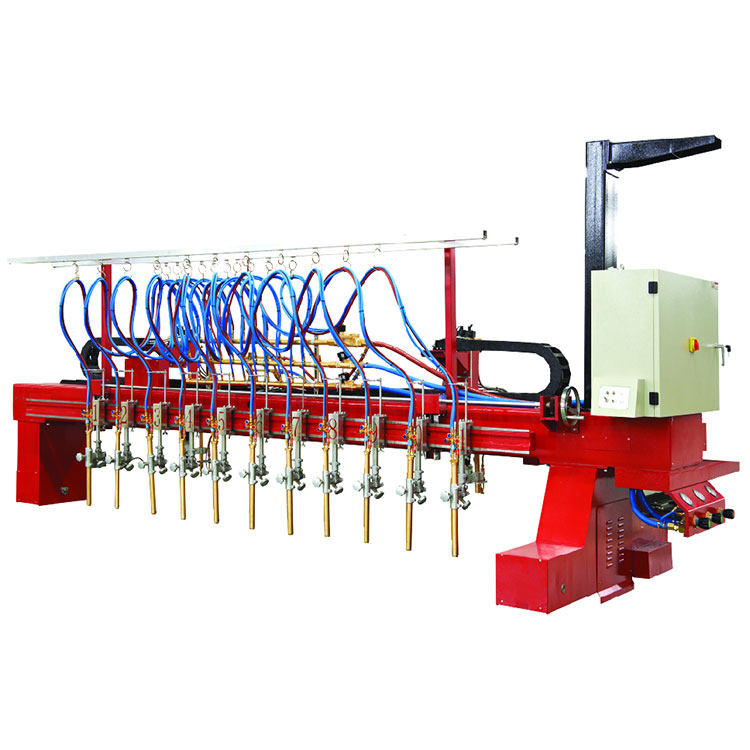
Table of Contents
- Introduction to Flame Cutting Machines
- How Flame Cutting Machines Work
- Advantages of Using Flame Cutting Machines
- Types of Flame Cutting Machines
- Maintenance Tips for Longevity
- Practical Applications in Industry
- Common Operational Challenges
- FAQ
- Conclusion
Introduction to Flame Cutting Machines
Flame cutting machines, also known as oxy-fuel cutting machines, have revolutionized the metalworking industry. They use a combination of fuel gas and oxygen to generate a high-temperature flame capable of cutting through thick steel plates with precision. Manufacturers increasingly rely on these machines for structural steel, shipbuilding, and heavy machinery production.
The main purpose of flame cutting is to achieve high accuracy while reducing material wastage and operational costs. Unlike mechanical cutting methods, flame cutting ensures smooth edges and minimal deformation, which is crucial for maintaining structural integrity in metal components.
How Flame Cutting Machines Work
The operation of a flame cutting machine involves several critical steps:
- Preparation: The metal plate is secured on the cutting table, and the machine is calibrated for thickness and cut type.
- Ignition: Fuel gas and oxygen are mixed and ignited to produce a cutting flame.
- Preheating: The flame heats the metal to its ignition temperature.
- Cutting: A high-pressure oxygen jet is applied to the heated metal, causing oxidation and removal of material along the cut line.
The precision of the cut depends on the machine's torch speed, oxygen flow rate, and operator expertise. Modern CNC-controlled flame cutting machines allow fully automated and highly accurate operations, reducing human error significantly.
Advantages of Using Flame Cutting Machines
Flame cutting machines offer numerous benefits over traditional mechanical cutting methods:
- Efficiency: High cutting speeds reduce production time.
- Cost-Effectiveness: Lower operational costs compared to laser cutting for thick steel plates.
- Versatility: Suitable for various metals and thicknesses.
- Precision: CNC-controlled machines ensure consistent quality and minimal edge roughness.
- Minimal Deformation: Heat-affected zones are smaller compared to other thermal cutting methods.
Types of Flame Cutting Machines
Flame cutting machines come in various configurations to suit different manufacturing needs:
| Type | Description | Best Use Case |
|---|---|---|
| Manual Flame Cutting | Operator manually guides the torch for cutting metal plates. | Small workshops, low-volume production. |
| Mechanized Flame Cutting | Machine moves along pre-set paths with minimal human guidance. | Medium production, moderate precision required. |
| CNC Flame Cutting | Fully automated, computer-controlled machine for highly precise cuts. | High-volume production, complex shapes. |
Maintenance Tips for Longevity
Proper maintenance ensures flame cutting machines remain reliable and efficient:
- Check Oxygen and Fuel Lines: Regular inspection for leaks prevents accidents.
- Clean Nozzles: Carbon deposits reduce cutting precision.
- Inspect Torch Components: Replace worn tips and valves promptly.
- Lubricate Moving Parts: Keeps CNC mechanisms smooth and accurate.
- Calibration: Frequent alignment ensures cuts remain precise over time.
Practical Applications in Industry
Flame cutting machines are widely used in:
- Shipbuilding: Cutting thick steel plates for hulls and decks.
- Structural Steel Fabrication: Beams, girders, and columns.
- Heavy Machinery Manufacturing: Frames and components for industrial machines.
- Automotive Industry: Large parts where precision and efficiency are required.
- Metal Art and Decorative Works: Custom designs requiring intricate cutting.
The ability to cut both straight lines and complex shapes makes flame cutting machines indispensable for diverse industrial applications.
Common Operational Challenges
Despite their advantages, operators may encounter challenges:
- Irregular Edges: Caused by inconsistent torch speed or oxygen flow.
- Material Warping: Excessive heat may deform thin metal sheets.
- Slower Cuts on Thick Plates: Requires adjustment of fuel mixture and speed.
- High Maintenance Costs: Neglected maintenance increases repair expenses.
Addressing these challenges involves proper training, routine maintenance, and selecting the appropriate machine type for the specific application.
FAQ
Q1: Can flame cutting machines cut stainless steel?
A1: Yes, but cutting stainless steel requires special techniques and proper torch adjustment to prevent oxidation and rough edges.
Q2: What thickness can a flame cutting machine handle?
A2: Standard machines can cut steel plates up to 300mm, depending on the type of machine and fuel gas used.
Q3: How safe are flame cutting machines?
A3: With proper training, protective gear, and routine inspection, flame cutting machines are safe. Always follow industry safety standards.
Q4: Can CNC flame cutting replace laser cutting?
A4: CNC flame cutting is cost-effective for thick steel plates, whereas laser cutting excels in high-precision thin metals.
Conclusion
Flame cutting machines are vital tools for modern metal fabrication. Their efficiency, precision, and versatility make them indispensable for industries ranging from shipbuilding to heavy machinery manufacturing. By understanding the working principles, maintenance requirements, and selecting the right machine type, manufacturers can significantly enhance production quality while reducing operational costs.
Ningbo JinFeng Welding and Cutting Machinery Manufacture Co., Ltd provides high-quality flame cutting machines that cater to diverse industrial needs. Contact us today to learn how our solutions can improve your metal fabrication processes.