

How do I choose a Wheel Loader that pays for itself faster?
2025-12-09
When I spec heavy equipment, I care less about glossy photos and more about whether it will move material cheaper and safer. Working with the engineering team behind PENGCHENG GLORY, I learned quickly that a modern Wheel Loader succeeds when power, visibility, and uptime meet smart cost control. In this guide I share the exact framework I use on sites from aggregates to recycling, so you can match the right Wheel Loader to the right job without overspending.
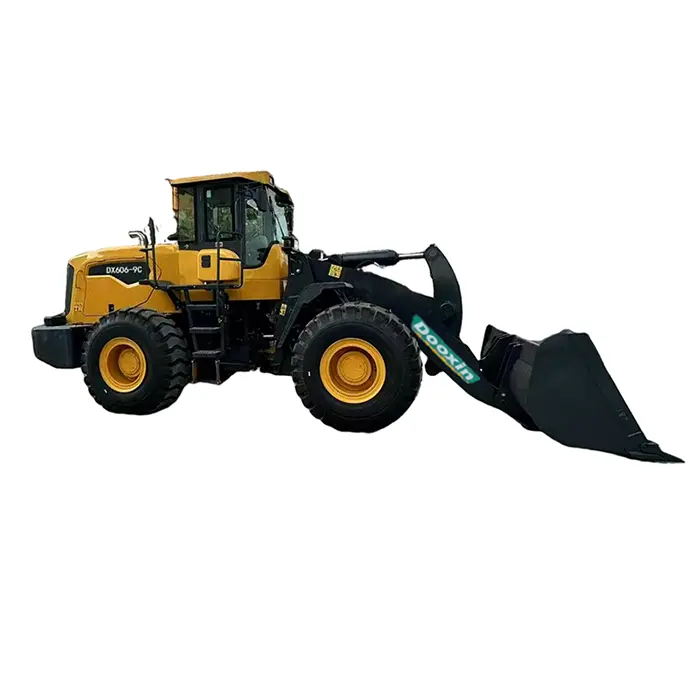
What jobs do I actually need this Wheel Loader to master?
I start by listing real tasks and tolerances, then sizing the Wheel Loader to the heaviest duty cycle with some headroom:
- Yard loading and stockpile management where short cycle times beat top speed
- Truck loading at fixed heights that demand reliable dump clearance
- Batch-plant charging where precision and clean metering matter
- Waste, scrap, and biomass handling that benefit from high-lift and guarding
- Site cleanup and backfilling that call for quick coupler versatility
If two site types dominate, I bias toward the tougher one and use attachments to cover the lighter duty. That keeps the Wheel Loader productive all year.
Which specs on a Wheel Loader move the profit needle on site?
Spec sheets are long; a balance of these few decides real-world cost per ton:
- Bucket system — Z-bar for breakout and general loading; parallel lift for forks and pallet work.
- Breakout force — Enough to peel compacted piles without stalling the hydraulics.
- Tipping load and stability — A safer margin means fewer spillages and faster cycles.
- Hydraulics — Load-sensing systems keep control smooth while saving fuel.
- Transmission — Smooth shift logic and auto-kickdown keep the Wheel Loader in the power band.
- Visibility and cab — Low hood lines, panoramic glass, and intuitive controls reduce operator fatigue.
How do attachments turn one Wheel Loader into a full crew?
I plan the attachment set up front so utilization never dips:
- General-purpose, rock, and light-material buckets sized to the material density
- High-dump buckets for chips, grain, and light biomass
- Pallet forks and log forks for yard versatility
- Grapples and side-dump buckets for waste and MRF lines
- Snow pusher or blade for seasonal revenue
A quick coupler with guarded lines turns swap-time into minutes, keeping the Wheel Loader earning instead of idling.
What numbers should I track to lower cost per ton with my Wheel Loader?
I keep a simple dashboard that operators can read at a glance. These targets are realistic for many mid-size operations and make it obvious where to improve.
| Metric | Why it Matters | Typical Target Range | Action if Off-Target |
|---|---|---|---|
| Cycle time (load–haul–dump) | Drives hourly throughput and fuel per ton | 0.8–1.2 minutes | Shorten travel path, tune shift points, right-size bucket |
| Fuel burn per hour | Largest variable cost on a Wheel Loader | 8–14 L/h (duty dependent) | Use auto-idle, trim throttle habits, maintain filters and tires |
| Loads per hour | Direct revenue driver | 45–70 | Optimize truck spotting, reduce swing, pre-shape stockpiles |
| Unplanned downtime | Destroys schedule and margins | < 2% of shifts | Introduce PM calendar, telematics alerts, wear-part kits on site |
| Tire cost per hour | Second or third biggest expense | Track by axle | Adjust inflation, add debris control, train turning habits |
Why do operators stay fresher in a thoughtfully built Wheel Loader?
I look for a quiet cab with low vibration, suspended seats that fit different body types, high-contrast displays, and fingertip joysticks. Rear-view camera, LED work lights, and 360-degree visibility relieve the mental load. When operators feel looked after, the Wheel Loader runs smoother and the yard runs faster.
How do I plan maintenance so my Wheel Loader holds resale value?
- Consolidate service intervals so daily checks are under ten minutes
- Specify wide-opening hoods and ground-level filters to keep techs safe
- Use auto-lube or centralized grease blocks on pins and linkages
- Track hours and error codes with telematics for predictive parts ordering
- Protect cooling packs with reversible fans for dusty sites
A tidy service history and clean undercarriage tell buyers the story you want when it is time to move the Wheel Loader on.
What would I recommend after field testing similar machines?
For mixed yard work—stockpiles in the morning, truck loading in the afternoon—I lean toward a mid-frame unit with a 1.8–3.0 m³ bucket, load-sensing hydraulics, and a transmission tuned for short cycles. Pair it with a quick coupler, forks, and one light-material bucket. That keeps a single Wheel Loader busy across seasons while protecting fuel burn and tires.
When do electric or hybrid options make sense for a Wheel Loader?
If most shifts are short cycles near power access—like indoor plants, waste transfer stations, or urban yards—electrified drivetrains can cut noise and site emissions. I run a simple payback that includes power pricing, charging windows, and any demand charges. If the math clears three to five years with a utility-friendly schedule, the Wheel Loader becomes a quiet, low-maintenance workhorse.
Which checklist helps me de-risk a first purchase of a Wheel Loader?
- Confirm real bucketed material density and size the bucket accordingly
- Measure truck sideboard height and required dump clearance
- Map the shortest safe loading pattern to shave seconds each cycle
- Order the attachment set now, not “later,” to keep utilization high
- Set up PM intervals, tire plan, and operator training before delivery
Why does working with a partner like PENGCHENG GLORY simplify decisions?
I value partners who build for uptime and listen to site feedback. The approach I’ve seen from PENGCHENG GLORY aligns with this playbook—balanced powertrains, clear sightlines, robust pins and bushings, and straightforward service points. That lets me focus on the job while the Wheel Loader does what it should do every hour.
Ready to get your cost per ton down with the right Wheel Loader?
If you want a practical spec matched to your site, tell me your material, target throughput, and yard layout, and I will map an option set you can put to work immediately. For a tailored quote, demo scheduling, or a quick bill of materials, contact us now and let’s turn your next Wheel Loader into a profit strategy.