

How Do Industrial Metal Filter Housings Improve Filtration Efficiency and System Reliability?
2026-03-19
Abstract
Industrial metal filter housings play a critical role in maintaining fluid purity, protecting downstream equipment, and ensuring consistent operational performance across various industries. From chemical processing to water treatment and food production, the correct housing design can significantly enhance filtration efficiency while reducing maintenance costs. This article explores how industrial metal filter housings function, their key advantages, structural components, selection criteria, and common challenges faced by buyers. It also provides actionable insights to help businesses choose the right solution for long-term reliability.
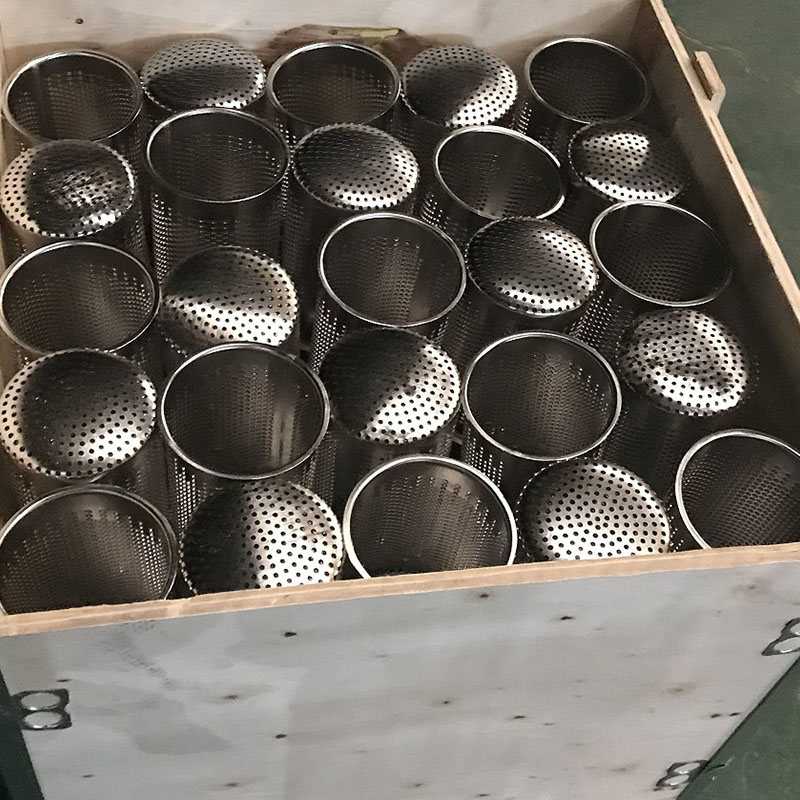
Table of Contents
- 1. Understanding Industrial Metal Filter Housings
- 2. Key Components and Structural Design
- 3. How Metal Filter Housings Improve Efficiency
- 4. Common Customer Pain Points and Solutions
- 5. Selection Criteria for Industrial Applications
- 6. Comparison Table of Materials and Performance
- 7. Maintenance and Operational Best Practices
- 8. Frequently Asked Questions
- 9. Conclusion
1. Understanding Industrial Metal Filter Housings
Industrial metal filter housings are pressure vessels designed to contain filter elements that remove contaminants from liquids or gases. These housings are typically constructed from stainless steel, carbon steel, or specialized alloys to withstand high pressure, temperature fluctuations, and corrosive environments.
Unlike plastic or composite alternatives, metal housings provide superior durability and are widely used in demanding environments such as:
- Chemical processing plants
- Oil and gas systems
- Pharmaceutical production lines
- Food and beverage manufacturing
- Water and wastewater treatment facilities
Their robust design ensures long-term performance even under continuous operation.
2. Key Components and Structural Design
A well-engineered industrial metal filter housing consists of several critical components that work together to ensure efficient filtration and system integrity.
- Housing Body: The main pressure vessel that encloses the filter element.
- Filter Cartridge or Bag: The removable component responsible for trapping contaminants.
- Inlet and Outlet Ports: Allow fluid to enter and exit the housing.
- Sealing Mechanism: Gaskets or O-rings prevent leakage and maintain pressure stability.
- Closure System: Clamp, bolt, or swing bolt closures enable easy maintenance access.
- Support Basket or Core: Provides structural support for filter elements.
The integration of these components determines the efficiency, safety, and maintenance convenience of the system.
3. How Metal Filter Housings Improve Efficiency
Efficiency in filtration systems depends not only on the filter media but also on the housing design. Industrial metal filter housings contribute to improved performance in several ways:
- Uniform Flow Distribution: Ensures consistent filtration across the entire filter surface.
- High Pressure Resistance: Allows operation under demanding industrial conditions without deformation.
- Leak Prevention: Precision sealing minimizes bypass contamination.
- Thermal Stability: Maintains performance under extreme temperatures.
- Extended Service Life: Durable materials reduce replacement frequency.
These factors collectively enhance system reliability and reduce downtime, which is critical for continuous production environments.
4. Common Customer Pain Points and Solutions
Many industrial buyers face recurring challenges when selecting or operating filter housings. Understanding these issues helps in making informed decisions.
-
Frequent Leakage:
Solution: Choose housings with high-quality sealing systems and precision machining. -
Corrosion Damage:
Solution: Opt for stainless steel or corrosion-resistant alloys depending on the medium. -
High Maintenance Costs:
Solution: Select designs with quick-opening closures and easy cartridge replacement. -
Pressure Drop Issues:
Solution: Ensure proper sizing and flow rate compatibility. -
Short Equipment Lifespan:
Solution: Invest in high-grade materials and proven manufacturing standards.
Companies like Dyfab focus on engineering solutions that directly address these operational concerns, delivering durable and efficient filtration systems.
5. Selection Criteria for Industrial Applications
Choosing the right industrial metal filter housing requires evaluating several technical parameters:
- Operating Pressure and Temperature
- Flow Rate Requirements
- Type of Fluid or Gas
- Filtration Precision
- Material Compatibility
- Installation Space Constraints
Selecting the wrong configuration can lead to inefficiencies, increased costs, and potential system failures. Therefore, detailed technical analysis is essential before procurement.
6. Comparison Table of Materials and Performance
| Material | Corrosion Resistance | Temperature Tolerance | Typical Applications |
|---|---|---|---|
| Stainless Steel 304 | Moderate | Up to 400°C | Water treatment, food processing |
| Stainless Steel 316 | High | Up to 450°C | Chemical, pharmaceutical industries |
| Carbon Steel | Low | Up to 300°C | Oil and gas, industrial fluids |
| Duplex Stainless Steel | Very High | Up to 500°C | Marine and aggressive chemical environments |
This comparison helps buyers align material selection with operational demands.
7. Maintenance and Operational Best Practices
Proper maintenance ensures optimal performance and extends the lifespan of industrial metal filter housings.
- Conduct regular inspections for corrosion or wear
- Replace filter elements based on pressure differential
- Ensure proper sealing during reassembly
- Clean internal surfaces periodically
- Monitor system pressure and flow rates
Implementing these practices minimizes downtime and enhances operational efficiency.
8. Frequently Asked Questions
Q1: What is the lifespan of an industrial metal filter housing?
A: With proper maintenance and material selection, metal filter housings can last 10–20 years or more in industrial environments.
Q2: How do I choose between stainless steel 304 and 316?
A: Stainless steel 316 offers better corrosion resistance, especially in environments with chlorides or aggressive chemicals.
Q3: Can metal filter housings handle high-pressure systems?
A: Yes, they are specifically designed for high-pressure applications and provide superior structural integrity compared to non-metal alternatives.
Q4: What industries benefit most from metal filter housings?
A: Industries such as chemical processing, pharmaceuticals, food production, and water treatment rely heavily on these systems.
9. Conclusion
Industrial metal filter housings are essential components for achieving reliable and efficient filtration in demanding environments. Their durability, resistance to extreme conditions, and ability to maintain system integrity make them a preferred choice across industries.
By carefully evaluating material selection, structural design, and operational requirements, businesses can significantly improve filtration performance while reducing long-term costs.
As a trusted manufacturer, Dyfab provides high-quality industrial metal filter housing solutions tailored to diverse industrial needs.
Looking for reliable filtration solutions that enhance efficiency and durability? Contact us today to discuss your requirements and discover how Dyfab can support your operations with precision-engineered products.