

How Do Load Binder Material Grades Affect Long-Term Reliability in Corrosive Shipping
2026-05-08
When securing cargo for maritime or harsh-environment transport, the question “How do Load Binder material grades affect long-term reliability in corrosive shipping” is critical. Force has engineered its Load Binder range to address exactly this challenge, helping logistics professionals avoid sudden equipment failure due to rust, pitting, or stress corrosion cracking.
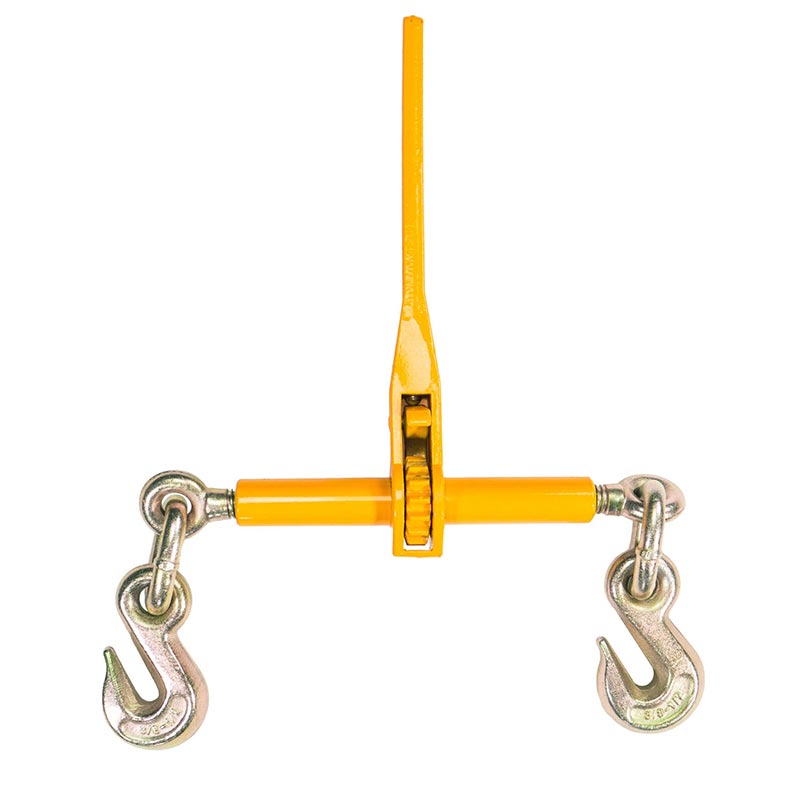
The Science of Material Grades in Load Binders
Load Binder components are typically made from forged steel with varying alloy compositions. The grade determines tensile strength, ductility, and resistance to oxidation. Lower grades (e.g., carbon steel without treatment) rapidly degrade when exposed to salt spray, humidity, or chemical agents. Higher grades incorporate chromium, molybdenum, or nickel to form a passive oxide layer.
| Material Grade | Corrosion Resistance | Typical Lifespan in Saline Environment | Recommended Application |
|---|---|---|---|
| Carbon steel (Grade 30/40) | Poor | 6–12 months | Dry, indoor use only |
| Zinc-plated carbon steel (Grade 50) | Moderate | 1–2 years | Occasional outdoor use |
| Stainless steel 304 (Marine grade) | High | 5–8 years | Coastal or chemical transport |
| Stainless steel 316 with passivation | Very high | 10+ years | Continuous saltwater exposure |
| Force Alloy-Plus™ (Proprietary) | Excellent | 12+ years | Heavy corrosive shipping |
Key Factors That Degrade Load Binders in Corrosive Shipping
-
Pitting corrosion – Localized holes that act as stress concentrators, leading to sudden fracture.
-
Hydrogen embrittlement – Common in poorly plated high-strength steels, causing cracking under load.
-
Galvanic corrosion – Occurs when dissimilar metals contact in electrolyte-rich environments (e.g., wet roads).
Force utilizes a multi-layer anti-corrosion system including zinc-nickel alloy undercoating and a final epoxy topcoat, tested to 1,000+ hours in salt spray chambers (ASTM B117).
Load Binder FAQ – Common Questions from Professional Shippers
Question 1: Can I use a standard carbon steel Load Binder for occasional coastal shipping if I rinse it after each trip?
Answer: Rinsing helps remove salt deposits but does not prevent micro-corrosion in threads, pivot pins, and internal bearing surfaces. Carbon steel Load Binder units often develop seizure within 3–6 months of intermittent coastal use due to trapped moisture. Force recommends at minimum a zinc-plated grade, but for assured long-term reliability in corrosive shipping, a stainless steel or Force Alloy-Plus™ Load Binder eliminates the risk of thread galling and unexpected failure. The cost difference is negligible compared to cargo damage or injury claims.
Question 2: How can I visually inspect a Load Binder for early signs of corrosion-related degradation?
Answer: Perform a pre-use and post-use check focusing on four areas: (1) Threaded shaft – look for red rust, flaking, or rough spots when turning; (2) Pivot rivets – check for gap formation or brown staining indicating crevice corrosion; (3) Handle plate edges – paint lifting here signals under-layer oxidation; (4) Hook throat – measure for depth loss using calipers if pitting is visible. Any Load Binder showing more than 10% cross-section reduction from pitting must be retired immediately. Force provides a free inspection card template with every Load Binder order.
Question 3: Does a higher material grade make the Load Binder heavier and harder to handle?
Answer: Not necessarily. Higher-grade alloys used by Force (e.g., precipitation-hardened stainless) achieve greater strength with similar or reduced section thickness compared to lower-grade carbon steel. A Grade 316 stainless Load Binder is often only 8–12% heavier than a Grade 50 carbon steel unit but offers 300–400% longer service life in corrosive shipping. The handling effort during tensioning depends more on gear ratio and lever design than material mass. Force ratchet Load Binder models actually reduce operating force by 30% through optimized gearing, regardless of material grade.
Best Practice Summary
| Action | Why It Matters |
|---|---|
| Select at least Grade 304 stainless or Force Alloy-Plus™ for any saltwater exposure | Prevents early pitting and seizure |
| Lubricate pivot points every 30 days with anti-corrosion spray | Reduces friction and moisture ingress |
| Document inspection findings | Supports legal compliance and fleet tracking |
Contact Us
For a detailed corrosion resistance comparison chart or to order the ideal Load Binder for your shipping routes, contact Force directly. Our engineering team provides free grade selection advice and custom marking options. Reach out via the website form or call your regional logistics support center today.