

How Do Metric Hydraulic Hose Fittings Enhance System Efficiency?
2026-05-21
Abstract: Metric hydraulic hose fittings play a crucial role in ensuring the reliability, safety, and performance of hydraulic systems. From high-pressure industrial machinery to mobile equipment, choosing the right fitting can prevent leaks, reduce downtime, and improve overall system efficiency. This article explores the types, benefits, installation tips, and common issues associated with metric hydraulic hose fittings, helping engineers and maintenance professionals make informed decisions.
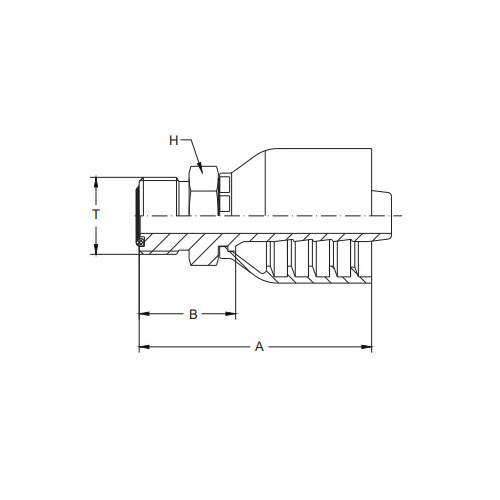
Table of Contents
- Introduction to Metric Hydraulic Hose Fittings
- Types of Metric Hydraulic Hose Fittings
- Key Benefits of Using Metric Fittings
- Installation Best Practices
- Common Issues and Troubleshooting
- Frequently Asked Questions
- Contact Ningbo WayFong Hydraulic Machinery Co., Ltd.
Introduction to Metric Hydraulic Hose Fittings
Hydraulic systems rely heavily on secure and durable connections between hoses and components. Metric hydraulic hose fittings provide standardized dimensions, ensuring compatibility across different machines and industries. Unlike imperial fittings, metric fittings are designed according to the ISO metric thread standards, which offer superior sealing and pressure handling capabilities.
- Standardized sizing reduces mismatch risks
- Improved sealing performance under high pressure
- Enhanced durability in demanding environments
Types of Metric Hydraulic Hose Fittings
Metric hydraulic hose fittings come in various configurations depending on the application. Choosing the right type is crucial for maintaining system integrity.
| Fitting Type | Application | Key Features |
|---|---|---|
| Male and Female Connectors | General hydraulic connections | Easy to install, wide pressure range |
| Banjo Fittings | Compact spaces requiring rotational flexibility | 360° rotation, leak-resistant design |
| Elbow Fittings (45° & 90°) | Changing hose direction efficiently | Reduces stress on hoses, maintains flow |
| O-Ring Face Seal (ORFS) | High-pressure applications | Excellent leak prevention, high vibration tolerance |
Key Benefits of Using Metric Fittings
Understanding the advantages of metric hydraulic hose fittings can help prevent costly system failures:
- Leak Prevention: Metric threads and seals provide secure connections that reduce fluid loss.
- Standardization: Ensures compatibility across equipment and reduces the risk of improper installation.
- High Pressure Handling: Suitable for systems operating at extreme pressures.
- Durability: Designed to withstand harsh environments and long-term use.
- Efficiency: Minimizes downtime by ensuring reliable hydraulic flow.
Installation Best Practices
Proper installation of metric hydraulic hose fittings is essential to maintain system performance and safety:
- Inspect hoses and fittings for damage before installation.
- Ensure threads are clean and free from debris.
- Use the recommended torque values to avoid over-tightening.
- Check for correct alignment to prevent hose twisting.
- Perform pressure testing after installation to detect leaks early.
Common Issues and Troubleshooting
Even high-quality metric hydraulic fittings can encounter problems if not handled properly. Common issues include:
- Leaks: Often caused by incorrect torque or damaged O-rings.
- Corrosion: Exposure to moisture and chemicals can degrade fittings over time.
- Hose Wear: Improper routing or excessive bending can lead to premature failure.
- Cross-Threading: Misalignment during installation can damage threads.
Regular maintenance and inspection help mitigate these issues and extend the service life of your hydraulic system.
Frequently Asked Questions
Q1: Can metric hydraulic fittings be used interchangeably with imperial fittings?
A1: No. Metric and imperial fittings have different thread standards, which can lead to leaks or system damage if mismatched.
Q2: How do I choose the correct fitting size?
A2: Measure the hose inner diameter and check the system’s operating pressure. Reference the ISO metric thread charts to match the fitting accurately.
Q3: Are there high-pressure metric fittings available?
A3: Yes, many metric fittings, such as ORFS and male/female connectors, are designed for high-pressure hydraulic applications.
Q4: How often should fittings be inspected?
A4: Regular inspection every 3–6 months is recommended, or sooner if the system operates under extreme conditions.
Contact Ningbo WayFong Hydraulic Machinery Co., Ltd.
For high-quality metric hydraulic hose fittings and expert guidance on selecting the right components for your hydraulic system, contact us today. Our team at Ningbo WayFong Hydraulic Machinery Co., Ltd. is dedicated to providing reliable solutions that enhance efficiency, safety, and performance.