

How Do Oil Drilling Hoses Improve Safety and Efficiency in Drilling Operations?
2026-09-29
Oil drilling operations depend on reliable fluid transfer systems to maintain continuous drilling performance. Oil Drilling Hoses are designed to handle high pressure, abrasive drilling fluids, vibration, temperature changes, and demanding field conditions.
This article explains how drilling hoses work, where they are used, what technical factors influence their performance, and how choosing the right hose supplier can help reduce downtime and operational risks.
With professional manufacturing experience, Yitai provides durable hose solutions designed for challenging oilfield applications.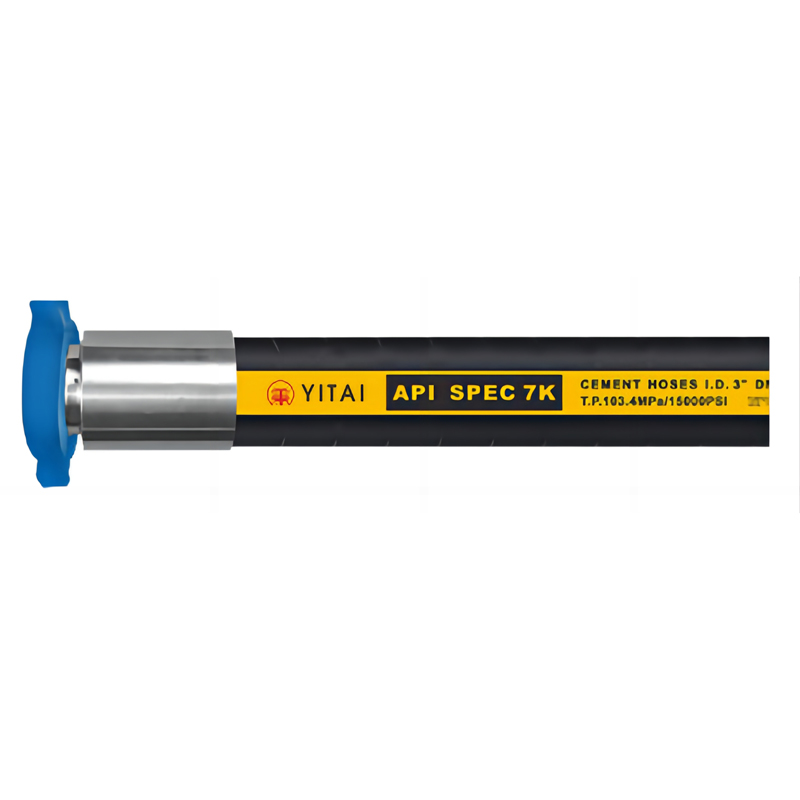
What Are Oil Drilling Hoses?
Oil Drilling Hoses are high-performance flexible hose assemblies specially developed for oil exploration, drilling platforms, and well servicing applications. Unlike ordinary industrial hoses, these hoses must operate under continuous pressure, mechanical movement, and exposure to aggressive fluids such as drilling mud, crude oil, chemicals, and water-based mixtures.
During drilling operations, rigid pipelines cannot always absorb equipment vibration and movement. Oil drilling hoses provide flexible connections between key components, allowing fluid transfer systems to operate safely while reducing stress on connected equipment.
A typical oil drilling hose consists of three main structures:
| Component | Function |
|---|---|
| Inner Tube | Provides resistance against drilling fluids, oil, chemicals, and temperature changes. |
| Reinforcement Layer | Uses high-strength steel wire or textile reinforcement to withstand internal pressure. |
| Outer Cover | Protects against abrasion, weather conditions, impact, and external damage. |
Why Are Oil Drilling Hoses Critical for Drilling Operations?
Modern drilling projects require stable fluid circulation. Drilling fluids are continuously pumped through the system to cool drill bits, remove rock cuttings, control pressure, and maintain wellbore stability.
A hose failure can interrupt drilling activities, increase maintenance costs, and create safety concerns. Therefore, oil drilling hoses are considered one of the key components supporting reliable drilling performance.
1. Maintaining High-Pressure Fluid Transfer
Drilling environments often involve high-pressure circulation systems. Oil drilling hoses are manufactured with reinforced structures to maintain strength during demanding operations.
2. Reducing Equipment Vibration Stress
Drilling equipment generates continuous vibration and movement. Flexible hose assemblies absorb mechanical movement and help protect pumps, manifolds, and connection points.
3. Improving Operational Flexibility
Compared with fixed piping systems, hoses allow easier installation, replacement, and adjustment in complex drilling layouts.
How Are Oil Drilling Hoses Designed for Extreme Conditions?
Oilfield environments create multiple challenges, including pressure fluctuations, abrasive particles, chemical exposure, and temperature variation. A reliable hose design must consider every operating factor.
| Challenge | Required Hose Performance |
|---|---|
| High Pressure | Strong reinforcement structure with excellent pressure resistance. |
| Abrasive Drilling Mud | Wear-resistant inner tube materials. |
| Oil and Chemical Contact | Compatible rubber compounds to prevent swelling and degradation. |
| Outdoor Installation | Weather, ozone, and UV resistance. |
| Continuous Movement | Flexible construction with fatigue resistance. |
Advanced Reinforcement Structure
The reinforcement layer is one of the most important factors affecting hose durability. High tensile steel wire reinforcement provides the strength required for demanding drilling applications while maintaining flexibility.
Durable Outer Protection
The outer cover protects the hose from external damage caused by rough handling, contact with equipment, and harsh outdoor environments.
Key Applications of Oil Drilling Hoses
Oil drilling hoses are used throughout different stages of oil and gas operations. Each application requires specific performance characteristics.
| Application | Purpose |
|---|---|
| Rotary Drilling Hose | Transfers drilling mud between standpipe and swivel while allowing equipment movement. |
| Mud Transfer Hose | Handles drilling fluid transportation in circulation systems. |
| Cementing Hose | Transfers cement slurry during well construction processes. |
| Choke and Kill Hose | Supports pressure control systems during drilling operations. |
| Hydraulic Hose | Provides hydraulic fluid transmission for drilling equipment. |
Onshore Drilling Applications
Onshore drilling sites require hoses that can withstand dust, temperature changes, mechanical impact, and frequent equipment movement.
Offshore Drilling Applications
Offshore platforms require additional resistance against moisture, corrosion, and challenging marine conditions.
How to Select the Right Oil Drilling Hose?
Choosing the correct hose requires more than checking size and pressure ratings. Procurement teams should evaluate the complete working environment.
- Working Pressure: Confirm that the hose pressure rating matches the drilling system requirements.
- Fluid Compatibility: Select materials suitable for drilling mud, oil, chemicals, or other transferred media.
- Temperature Range: Consider both operating temperature and environmental conditions.
- Connection Type: Ensure fittings match existing equipment connections.
- Service Life Expectation: Choose hose structures designed for continuous heavy-duty operation.
Technical Information Buyers Should Confirm
| Specification | Importance |
|---|---|
| Inner Diameter | Determines flow capacity and pressure performance. |
| Length | Ensures correct installation and movement allowance. |
| Reinforcement Type | Affects strength and flexibility. |
| End Fittings | Ensures secure connection with drilling equipment. |
Common Problems and Maintenance Solutions
Even high-quality drilling hoses require proper inspection and maintenance. Regular monitoring helps identify potential risks before unexpected failures occur.
Common Issues
- Outer cover abrasion caused by equipment contact.
- Surface cracks caused by aging or environmental exposure.
- Pressure damage caused by improper operating conditions.
- Connection problems caused by incorrect installation.
Maintenance Recommendations
- Inspect hose surfaces regularly before operation.
- Avoid excessive bending or twisting during installation.
- Store unused hoses in dry and protected areas.
- Replace hoses showing serious wear or structural damage.
Why Choose Yitai Oil Drilling Hose Solutions?
With professional manufacturing experience and a focus on industrial fluid transfer solutions, Yitai develops oil drilling hoses designed for demanding working environments.
- Reliable Material Selection: High-quality rubber compounds and reinforcement materials support long-term performance.
- Application-Oriented Design: Hose structures are developed according to different drilling requirements.
- Stable Manufacturing Process: Strict production control helps maintain consistent product quality.
- Customized Solutions: Different lengths, specifications, and connection requirements can be considered for specific projects.
Frequently Asked Questions About Oil Drilling Hoses
1. What are Oil Drilling Hoses mainly used for?
Oil drilling hoses are mainly used for transferring drilling fluids, mud, cement slurry, hydraulic fluids, and other materials required during oil and gas exploration.
2. How long can an oil drilling hose be used?
Service life depends on pressure conditions, working environment, maintenance practices, and frequency of operation. Regular inspection helps extend safe operating time.
3. What makes oil drilling hoses different from ordinary industrial hoses?
Oil drilling hoses are designed specifically for high-pressure, high-vibration, and abrasive oilfield conditions. They require stronger reinforcement and specialized materials.
4. Can Yitai provide customized oil drilling hose solutions?
Yes. Yitai can provide solutions based on different application requirements, including hose dimensions, pressure requirements, and connection configurations.
5. How should oil drilling hoses be stored?
Hoses should be stored away from direct sunlight, extreme temperatures, chemicals, and sharp objects to maintain material performance.
Improve Your Drilling System Reliability with Yitai
Selecting the right Oil Drilling Hose can significantly influence drilling efficiency, equipment protection, and operational safety. Yitai provides durable hose solutions designed for demanding oilfield environments with reliable performance and professional support.
If you are looking for high-quality oil drilling hoses for your project, please contact us today to discuss your requirements and receive a suitable solution from our experienced team.