Abstract
Outdoor storage silos are critical infrastructure in modern bulk material handling systems. They are widely used across agriculture, construction, chemical processing, food production, and manufacturing industries to store and discharge dry bulk materials efficiently. This article explores how outdoor storage silos improve operational efficiency, reduce contamination risks, and optimize long-term storage performance. It also provides a structured guide for selection, maintenance, and industrial application scenarios, with insights aligned to practical engineering and procurement needs.
Introduction
In large-scale industrial operations, efficient storage of bulk materials directly impacts productivity, cost control, and product quality. Outdoor storage silos have become a preferred solution due to their ability to store large volumes of materials while maintaining structural integrity and environmental protection.
Unlike traditional storage methods, modern silos are engineered systems designed for controlled discharge, minimal material loss, and reduced contamination risk. Companies such as Niasi have developed advanced silo systems tailored for demanding industrial environments where reliability and efficiency are essential.
Common Storage Pain Points
Before adopting silo-based systems, many industries face recurring operational challenges. These issues often lead to inefficiencies and increased costs.
-
Moisture contamination: Exposure to rain and humidity degrades material quality.
-
Material clumping: Poor airflow leads to bridging and ratholing inside storage units.
-
Space inefficiency: Ground storage requires large land usage.
-
Labor-intensive handling: Manual loading and unloading increase operational risk.
-
Inventory inaccuracies: Lack of controlled measurement systems leads to poor stock management.
What Are Outdoor Storage Silos
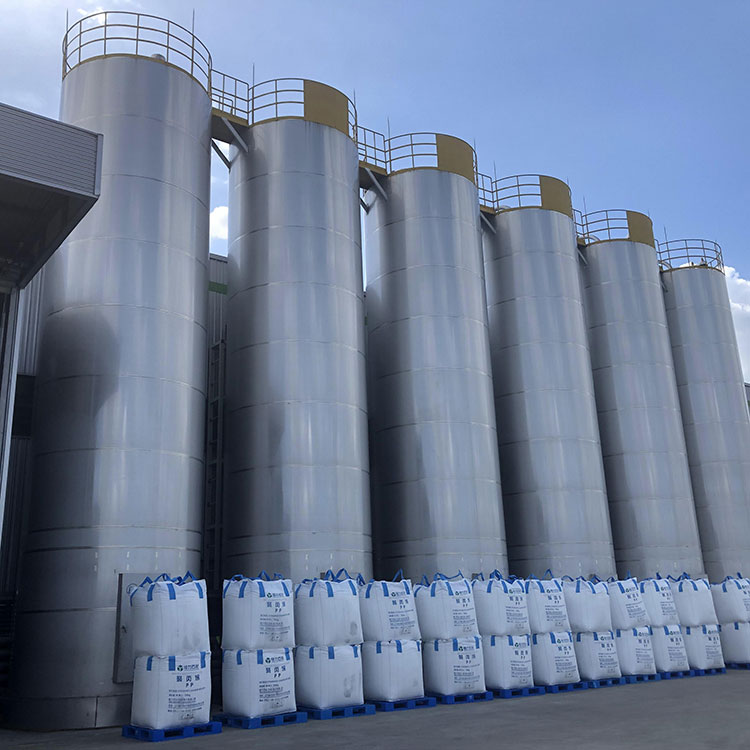
Outdoor storage silos are vertical cylindrical structures designed for storing bulk materials such as cement, grains, plastic pellets, feedstock, and powders. They are typically constructed using steel or reinforced materials that ensure durability under outdoor conditions.
A typical silo system includes:
-
Structural shell (steel or composite material)
-
Conical or flat-bottom discharge system
-
Aeration and ventilation units
-
Level sensors and monitoring systems
-
Safety valves and pressure control systems
Key Operational Benefits
Outdoor storage silos provide significant improvements in industrial logistics and storage performance.
-
High-volume storage: Vertical design maximizes capacity without expanding footprint.
-
Material protection: Sealed systems reduce contamination from external elements.
-
Automation compatibility: Easily integrates with pneumatic conveying and automated discharge systems.
-
Reduced labor costs: Minimal manual intervention is required.
-
Improved inventory control: Sensors enable real-time monitoring.
Technical Design Considerations
Engineering a reliable silo system requires attention to multiple structural and operational parameters.
-
Load-bearing capacity: Must withstand internal pressure and external weather conditions.
-
Material selection: Corrosion-resistant steel is commonly used for longevity.
-
Flow dynamics: Hopper angles must support consistent material discharge.
-
Thermal expansion: Design must accommodate temperature fluctuations.
-
Wind and seismic resistance: Structural reinforcement is essential in exposed environments.
Material Handling Efficiency
One of the most significant advantages of outdoor storage silos is improved material flow efficiency. Properly engineered silos reduce blockages and ensure smooth discharge.
Efficiency improvements typically include:
-
Faster loading and unloading cycles
-
Reduced downtime due to clogging
-
Lower energy consumption in pneumatic systems
-
Improved batch consistency
When integrated into a production line, silos can significantly reduce bottlenecks in upstream and downstream processes.
Performance Comparison Table
|
Feature
|
Traditional Storage
|
Outdoor Storage Silos
|
|
Space Utilization
|
Low efficiency
|
High vertical efficiency
|
|
Material Protection
|
Limited
|
Strong environmental sealing
|
|
Automation
|
Minimal
|
Fully integrable
|
|
Labor Requirement
|
High
|
Low
|
|
Inventory Accuracy
|
Manual estimation
|
Sensor-based monitoring
|
How to Select the Right Silo
Choosing the correct silo system depends on operational requirements and material characteristics.
-
Material type: Powders, grains, pellets, or aggregates.
-
Storage volume: Daily throughput requirements.
-
Environmental exposure: Wind, humidity, and temperature range.
-
Discharge method: Gravity-fed or pneumatic systems.
-
Expansion capability: Modular scalability for future growth.
Suppliers like Niasi offer customizable silo configurations to meet diverse industrial demands.
Maintenance and Safety Guidelines
Proper maintenance ensures long-term operational stability and reduces safety risks.
-
Regular inspection of structural integrity
-
Monitoring of pressure relief valves
-
Cleaning to prevent material buildup
-
Calibration of level sensors
-
Corrosion prevention treatments
Safety protocols should always include emergency discharge systems and controlled access points to minimize operational hazards.
Industry Applications
Outdoor storage silos are widely used across multiple industries:
-
Agriculture: Grain and feed storage
-
Construction: Cement, sand, and lime storage
-
Chemical industry: Powdered raw materials
-
Food processing: Flour, sugar, and additives
-
Plastics manufacturing: Resin pellets and compounds
Why Niasi Solutions Stand Out
Niasi provides engineered outdoor storage silo systems designed for durability, efficiency, and operational intelligence. Their solutions emphasize structural safety, optimized flow design, and seamless integration with automated handling systems.
Key differentiators include:
-
Customized engineering for industry-specific requirements
-
High-strength corrosion-resistant materials
-
Advanced monitoring and control integration
-
Reliable after-sales technical support
With a focus on long-term operational performance, Niasi solutions help businesses reduce downtime and improve overall material handling efficiency.
FAQ
Q1: What materials can be stored in outdoor storage silos?
A wide range including grains, cement, powders, pellets, and chemical additives.
Q2: How long do outdoor storage silos last?
With proper maintenance, high-quality silos can operate efficiently for decades.
Q3: Are silos suitable for harsh weather conditions?
Yes, they are engineered with weather-resistant materials and structural reinforcement.
Q4: Can silos be automated?
Yes, most modern silo systems support full automation including sensors and discharge controls.
Q5: How do I choose a supplier?
Focus on engineering capability, material quality, customization options, and technical support availability.
Conclusion
Outdoor storage silos represent a transformative solution for industries requiring efficient, scalable, and safe bulk material storage. Their ability to improve operational flow, reduce contamination risks, and support automation makes them an essential infrastructure component in modern production systems.
By partnering with experienced providers like Niasi, businesses can implement storage systems that are not only reliable but also optimized for long-term performance and operational scalability.
For tailored silo solutions, technical consultation, or project support, Niasi is ready to assist you. contact us today to explore how advanced silo systems can elevate your material handling operations.