

How Do Sports Rope Nets Improve Safety and Performance in Athletic Training?
2026-03-12
Article Summary
Sports rope nets are widely used in stadiums, playgrounds, training facilities, and recreational parks. They provide structural support, safety protection, and performance enhancement for athletes and participants. From climbing structures to protective barriers, sports rope nets play a crucial role in preventing accidents while supporting intensive training activities.
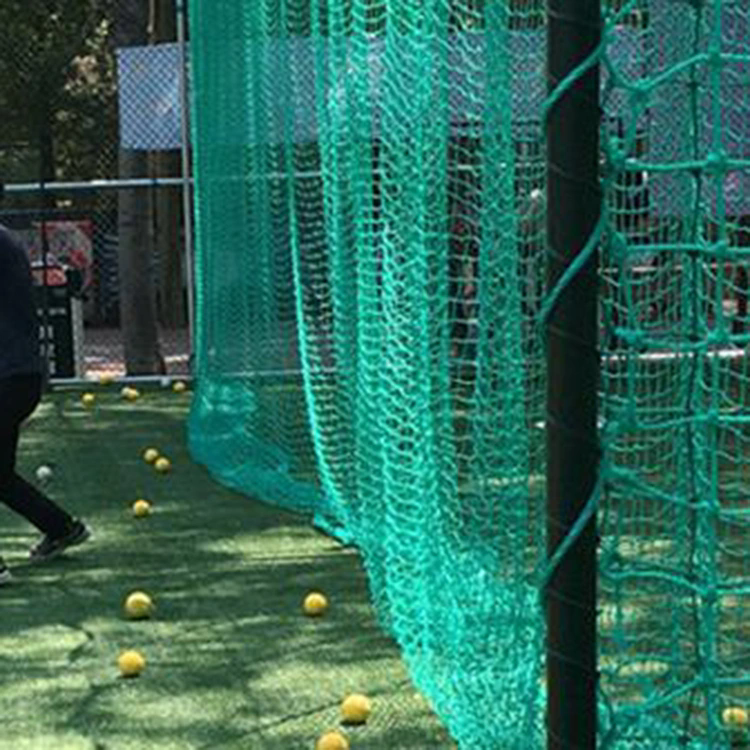
This article explains how sports rope nets function, their structural components, key advantages, materials, and practical applications. It also outlines important selection considerations and answers common questions buyers often ask when sourcing high-quality rope nets for sports environments.
━━━━━━━━━━━━━━━━━━━━━━━━━━━━━━━━━━━━
Table of Contents
- 1. Understanding Sports Rope Nets
- 2. How Sports Rope Nets Work in Athletic Environments
- 3. Core Materials Used in Sports Rope Nets
- 4. Key Structural Features
- 5. Main Applications of Rope Nets in Sports Facilities
- 6. Advantages for Safety and Training Efficiency
- 7. Important Factors When Choosing a Sports Rope Net
- 8. Typical Product Specifications
- 9. Frequently Asked Questions
- 10. Conclusion
━━━━━━━━━━━━━━━━━━━━━━━━━━━━━━━━━━━━
Outline
- Introduction to sports rope net systems
- Operational principles and load distribution
- Materials and construction methods
- Practical sports applications
- Safety and durability considerations
- Product specifications and selection guide
- FAQ and buyer guidance
━━━━━━━━━━━━━━━━━━━━━━━━━━━━━━━━━━━━
Understanding Sports Rope Nets
Sports rope nets are durable woven structures made from high-strength synthetic or natural fibers. They are designed to provide support, containment, or climbing functionality within sports and recreational environments.
Unlike simple rope barriers, these nets are engineered to distribute weight evenly across interconnected knots and strands. This structural configuration allows them to withstand dynamic forces generated by athletes, equipment impacts, or environmental stress.
Manufacturers such as Yisen produce rope nets specifically engineered for sports installations. These systems are carefully designed to combine strength, flexibility, and safety compliance.
Typical installations include:
- Climbing rope structures in playgrounds
- Barrier nets in sports courts
- Goal backstop nets
- Adventure park climbing systems
- Gym obstacle training equipment
━━━━━━━━━━━━━━━━━━━━━━━━━━━━━━━━━━━━
How Sports Rope Nets Work in Athletic Environments
The effectiveness of sports rope nets comes from their interconnected grid structure. Each rope intersection forms a load-sharing node, allowing the net to absorb force and distribute tension throughout the system.
This engineering approach delivers several performance benefits.
- Impact forces are dispersed across multiple strands
- The flexible structure reduces injury risks
- High tensile strength supports repeated heavy loads
- Elasticity provides shock absorption
When installed correctly, rope nets create a controlled environment where athletes can climb, train, or perform without direct exposure to dangerous falls or uncontrolled equipment movement.
In competitive sports venues, protective rope nets also prevent balls or equipment from leaving designated play areas, improving operational safety for spectators and participants.
━━━━━━━━━━━━━━━━━━━━━━━━━━━━━━━━━━━━
Core Materials Used in Sports Rope Nets
Material selection is a critical factor that determines durability, flexibility, and weather resistance. Modern sports rope nets typically use synthetic fibers due to their high performance characteristics.
| Material | Main Characteristics | Typical Applications |
| Polypropylene (PP) | Lightweight, moisture resistant, economical | Playgrounds and recreational nets |
| Polyethylene (PE) | Strong UV resistance and long outdoor lifespan | Sports court protection nets |
| Nylon | Excellent elasticity and high tensile strength | Climbing nets and heavy-load structures |
| Polyester | Low stretch and excellent durability | Professional sports barrier systems |
Each material offers specific advantages depending on the intended environment and load requirements.
━━━━━━━━━━━━━━━━━━━━━━━━━━━━━━━━━━━━
Key Structural Features
High-quality sports rope nets incorporate several design elements to ensure stability and safety.
- Reinforced Knots – Maintain structural integrity under repeated stress
- Uniform Mesh Size – Ensures consistent weight distribution
- UV Stabilization – Prevents degradation in outdoor environments
- Abrasion Resistance – Extends product lifespan
- Edge Reinforcement – Improves mounting stability
These features ensure that the net remains reliable even under heavy use conditions in sports facilities.
━━━━━━━━━━━━━━━━━━━━━━━━━━━━━━━━━━━━
Main Applications of Rope Nets in Sports Facilities
Sports rope nets serve multiple roles across different athletic environments.
- Basketball and soccer court protective nets
- Climbing rope pyramids for playground training
- Obstacle course structures
- Gymnasium safety barriers
- Adventure park climbing installations
- Golf and baseball practice cages
These versatile installations allow facility operators to maximize safety while improving the usability of training spaces.
━━━━━━━━━━━━━━━━━━━━━━━━━━━━━━━━━━━━
Advantages for Safety and Training Efficiency
Sports rope nets provide several practical benefits that directly address common operational challenges faced by sports facility managers.
- Reduce injury risks during climbing or training
- Contain sports equipment within safe zones
- Improve structural safety in recreational parks
- Support physical fitness training
- Provide durable outdoor infrastructure
Because they are flexible yet strong, rope nets are particularly effective in environments where traditional rigid barriers may create hazards.
━━━━━━━━━━━━━━━━━━━━━━━━━━━━━━━━━━━━
Important Factors When Choosing a Sports Rope Net
Selecting the right rope net requires careful evaluation of several technical factors.
- Rope diameter and tensile strength
- Mesh size and knot structure
- UV resistance for outdoor installations
- Fire retardant properties when required
- Environmental exposure conditions
- Installation method and mounting hardware
Professional manufacturers like Yisen provide customized solutions tailored to specific project requirements, ensuring both safety and long-term reliability.
━━━━━━━━━━━━━━━━━━━━━━━━━━━━━━━━━━━━
Typical Product Specifications
| Parameter | Specification Range |
| Rope Diameter | 6 mm – 20 mm |
| Mesh Size | 50 mm – 300 mm |
| Material Options | PP, PE, Nylon, Polyester |
| Color Options | Black, green, blue, red, customized |
| UV Resistance | Available for outdoor installations |
| Installation Type | Frame mounting or anchor fixing |
These specifications can be adjusted depending on the intended sports application or structural design requirements.
━━━━━━━━━━━━━━━━━━━━━━━━━━━━━━━━━━━━
Frequently Asked Questions
1. What is the lifespan of a sports rope net?
The service life depends on material quality and environmental exposure. High-grade synthetic fiber nets used outdoors typically last between 5 and 10 years with proper maintenance.
2. Are sports rope nets safe for children’s playgrounds?
Yes. Rope nets designed for playground installations are manufactured with safety-tested materials and controlled mesh sizes to prevent entrapment and ensure secure climbing structures.
3. Can rope nets be customized for different sports facilities?
Yes. Professional manufacturers can customize mesh size, rope diameter, color, and net dimensions to match the specific requirements of sports courts, climbing structures, or protective barriers.
4. How should rope nets be maintained?
Routine inspections should check for wear, loosened knots, or mounting damage. Cleaning and tension adjustments can extend the operational life of the net.
━━━━━━━━━━━━━━━━━━━━━━━━━━━━━━━━━━━━
Conclusion
Sports rope nets are an essential safety and training component in modern sports environments. Their flexible structure, high tensile strength, and versatile applications make them ideal for playground installations, athletic training facilities, and professional sports venues.
High-quality rope nets manufactured by Yisen are designed to deliver reliable performance, long service life, and enhanced safety for both athletes and recreational users.
If you are planning to upgrade sports facility safety systems or install durable rope net structures, professional guidance can help ensure the best solution for your project requirements.
For detailed product information, customization options, or technical consultation, contact us today to learn how our sports rope net solutions can support your next project.