

How do you insulate a prefab container house to avoid condensation
2026-05-12
Condensation is one of the most common threats to a Prefab Container House. Without proper insulation, warm interior air meets cold steel walls, creating moisture that leads to rust, mold, and structural decay. At Ante, we have helped hundreds of homeowners solve this problem through scientifically designed insulation systems. Below is a professional guide to keeping your Prefab Container House dry, energy-efficient, and durable.
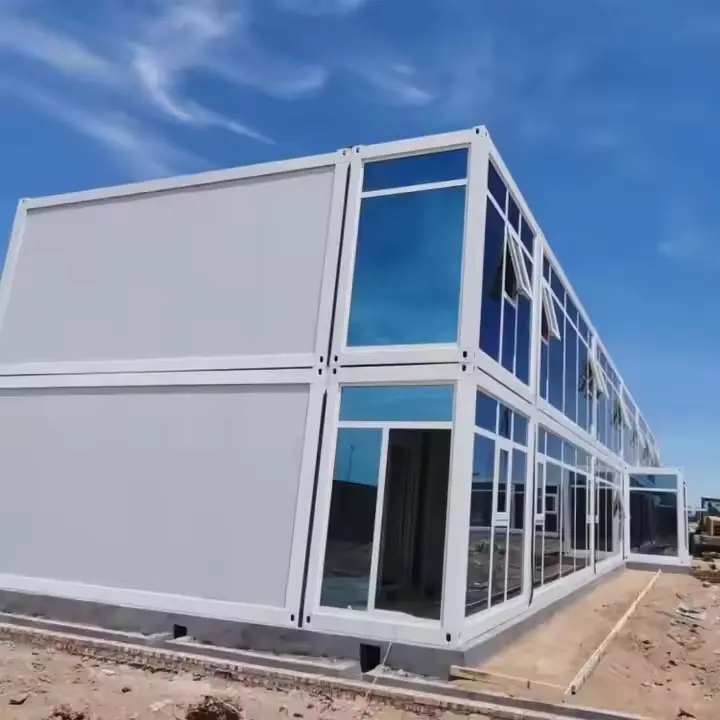
Why condensation happens in steel containers
Steel conducts heat rapidly. When humid air inside a Prefab Container House touches the cold inner surface of the container, water vapor turns into liquid. This is called the dew point effect. Effective insulation must either prevent warm air from reaching the cold surface or eliminate the temperature difference altogether.
Three proven insulation methods to stop condensation
| Method | Materials | Dew point control | Best for |
|---|---|---|---|
| Spray foam | Closed-cell polyurethane foam | Creates a continuous vapor barrier | Humid and cold climates |
| Composite panel | EPS or XPS with aluminum facing | Shifts dew point into insulation layer | Most residential container homes |
| Hybrid system | Rockwool + vapor barrier + air gap | Allows drainage and drying | Hot and mixed climates |
Step-by-step insulation process recommended by Ante
-
Prepare the steel surface – Remove rust, apply anti-corrosion primer. Without this step, condensation will eventually cause hidden rust behind insulation.
-
Install furring strips – Create a 20-30mm air gap between steel and insulation. This gap allows any minor condensation to evaporate.
-
Apply the primary insulation – Use closed-cell spray foam or rigid composite boards. Ante recommends spray foam for seamless coverage.
-
Add a vapor retarder – Install a polyethylene sheet (6 mil minimum) on the warm side of insulation.
-
Finish with interior cladding – Gypsum board or plywood adds thermal mass and protects the vapor barrier.
Critical mistake to avoid
Never press soft insulation (fiberglass, mineral wool) directly against steel without an air gap or vapor barrier. The soft material traps moisture against the metal, accelerating rust. Ante field reports show this error reduces a Prefab Container House lifespan by up to 40%.
Prefab Container House FAQ
Question 1: Can I use standard fiberglass batt insulation in a prefab container house like I would in a wood-frame home?
Answer: No. Standard fiberglass batts are not suitable for a Prefab Container House without major modifications. Fiberglass is air-permeable and has no vapor barrier. When warm humid air passes through fiberglass and hits the cold steel wall, condensation forms inside the insulation itself. The fiberglass then stays wet, loses R-value, and promotes mold. If you must use fiberglass, you need three additions: a 20mm air gap against steel, a poly vapor barrier on the warm side, and fully sealed interior sheathing. Ante advises spray foam or rigid composite panels instead for reliable dew point control.
Question 2: How do I insulate the floor of a prefab container house to prevent condensation from the ground up
Answer: Ground moisture is a major source of rising damp. For a Prefab Container House, start with a raised foundation using concrete piers or a gravel bed. Install 2-inch rigid XPS insulation under the steel floor base, then seal the underside with a weather-resistant barrier. Inside, add a second layer of rigid insulation (1-2 inches) over the steel floor, covered by plywood and flooring. The key is to keep the steel floor surface temperature above the dew point of interior air. Ante designs include a continuous thermal break under the entire container, which eliminates floor condensation entirely even in rainy seasons.
Question 3: Should I put insulation on the inside or outside of a prefab container house for better moisture control
Answer: Exterior insulation is the superior technical solution for moisture control in a Prefab Container House, though more expensive. When you apply rigid foam or spray-on elastomeric coating to the outside of the container, the entire steel shell stays near interior temperature, preventing any condensation on interior surfaces. This also protects steel from thermal shock and adds weather resistance. Interior insulation is cheaper and easier to retrofit, but it requires precise vapor barrier placement and risks hidden condensation if not installed perfectly. Ante offers both approaches: full exterior insulated panels for premium builds and guaranteed dry interiors, or internal hybrid systems for budget-conscious projects.
Contact us
Proper insulation is the difference between a comfortable, long-lasting home and a rusted box with mold issues. Ante provides custom insulation blueprints for every Prefab Container House project, including material selection, dew point calculation, and installation guides. Contact us today for a free condensation risk assessment and insulation quote tailored to your climate and container size.