

How Do You Properly Diagnose Refrigerant Issues in a Container Refrigeration Room Scroll Compressor
2026-11-13
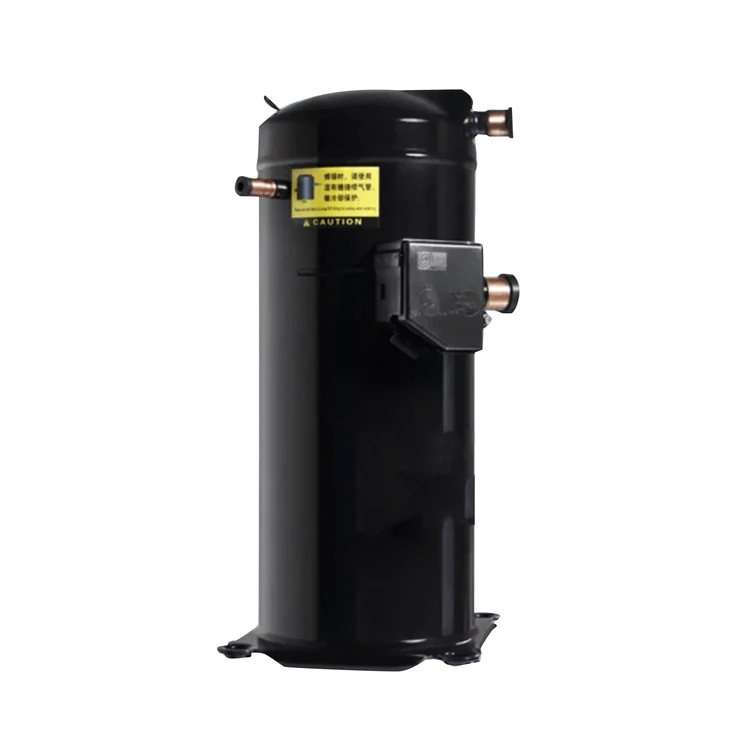
Refrigerant faults are among the most frequent causes of performance loss in reefer containers, and knowing how to diagnose them accurately protects both cargo and equipment. A Container Refrigeration Room Scroll Compressor is a sealed, high-precision component, so diagnosis must rely on measured data rather than guesswork. Paulair service engineers follow a structured diagnostic sequence that combines pressure analysis, superheat evaluation, and electrical verification to isolate the true root cause before any repair is authorized.
Step-by-Step Diagnostic Workflow
-
Confirm the complaint with baseline data. Record suction and discharge pressures, ambient temperature, return air temperature, and supply air temperature before touching the system.
-
Verify sensor accuracy. Compare transducer readings against calibrated gauges; a faulty pressure transducer can mimic a refrigerant charge problem.
-
Measure superheat and subcooling. Calculate superheat at the evaporator outlet and subcooling at the condenser outlet to determine whether the system is undercharged, overcharged, or restricted.
-
Inspect for leaks with electronic detection. Pay close attention to flare connections, Schrader ports, and brazed joints near the Container Refrigeration Room Scroll Compressor.
-
Check compressor electrical parameters. Measure winding resistance, insulation resistance, and running current to rule out mechanical or electrical failure before condemning the refrigerant circuit.
-
Evaluate refrigerant quality. Use acid testing and moisture indicators to detect contamination that can degrade compressor lubrication.
Diagnostic Reference Table
| Symptom | Likely Cause | Verification Method | Recommended Action |
|---|---|---|---|
| Low suction pressure, high superheat | Undercharge or leak | Leak detection, weight comparison | Locate and repair leak, recharge by weight |
| High discharge pressure | Air ingress or overcharge | Non-condensable gas test, subcooling check | Recover, evacuate, recharge |
| Normal pressures, high current | Mechanical wear in compressor | Winding and current analysis | Compressor performance test |
| Fluctuating pressures | Moisture or restriction | Moisture indicator, temperature drop check | Replace filter drier, evacuate |
| Oil discoloration | Acid formation | Acid test kit | Flush system, replace oil and drier |
Common Diagnostic Pitfalls to Avoid
-
Charging refrigerant before confirming the actual fault
-
Ignoring ambient conditions when interpreting pressure readings
-
Replacing the Container Refrigeration Room Scroll Compressor without verifying electrical integrity
-
Skipping evacuation after any circuit opening
-
Relying on a single reading instead of trending data over time
Paulair recommends documenting every measurement so that subsequent service visits can be compared against a known baseline.
FAQ
Q: How can I tell if a Container Refrigeration Room Scroll Compressor is low on refrigerant?
A: Low charge typically presents as low suction pressure combined with elevated superheat, reduced cooling capacity, and a compressor that runs continuously without cycling. Confirm with leak detection and a weighted recharge rather than adding refrigerant blindly.
Q: What readings indicate a restriction in the refrigerant circuit of a Container Refrigeration Room Scroll Compressor?
A: A restriction usually shows a temperature drop across the filter drier or expansion valve, low suction pressure with normal subcooling, and frost formation at the restriction point. Compare temperatures upstream and downstream to localize the blockage.
Q: When should a Container Refrigeration Room Scroll Compressor be replaced instead of repaired?
A: Replacement is warranted when insulation resistance falls below acceptable limits, winding resistance is unbalanced, the compressor fails a performance test, or acid contamination cannot be removed through flushing. Paulair technicians perform these tests before recommending replacement.
Contact Us
If your reefer equipment shows signs of refrigerant trouble, do not wait for cargo damage to escalate. Contact Paulair today for expert diagnosis, genuine parts, and certified service support for every Container Refrigeration Room Scroll Compressor in your fleet.