

Abstract
Accurate pH measurement is crucial for scientific research, quality control, and industrial applications. The benchtop pH tester has emerged as a reliable tool for laboratories to ensure precise readings while improving workflow efficiency. This article explores the features, benefits, and practical applications of benchtop pH testers, addressing common pain points faced by laboratory professionals.
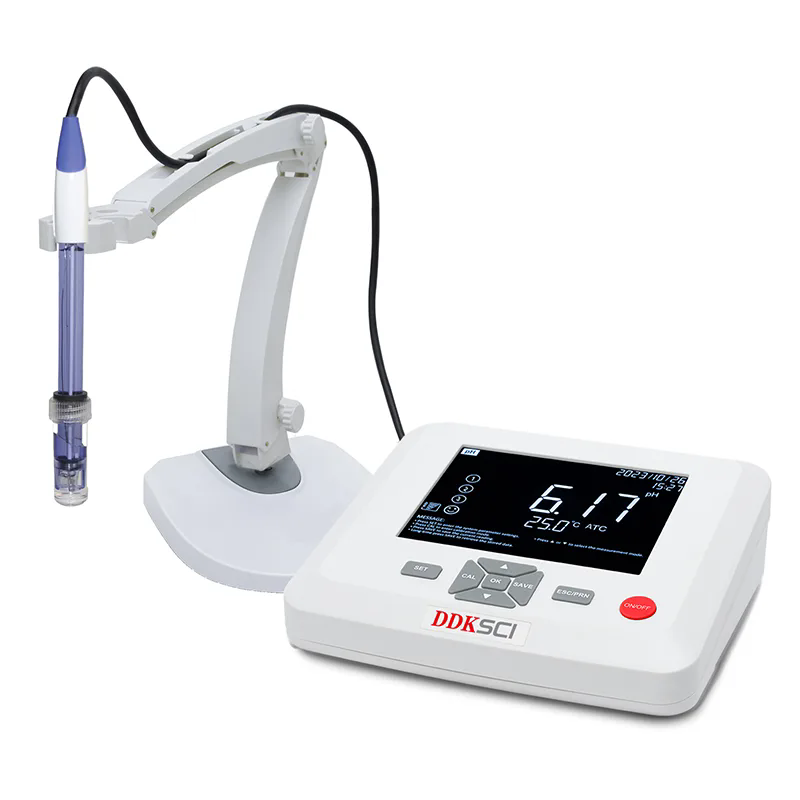
Table of Contents
Why Is Accurate pH Measurement Important?
pH measurement is fundamental in chemical analysis, biology, environmental monitoring, and food production. Inconsistent pH readings can compromise experimental results, affect product quality, and lead to regulatory non-compliance.
- Scientific Research: Reproducibility of experiments depends on precise pH control.
- Quality Control: Food and beverage industries require strict pH standards for safety and taste.
- Environmental Monitoring: Water quality testing relies on accurate pH to detect pollutants.
Key Features of a Benchtop pH Tester
Modern benchtop pH testers offer advanced functionality that addresses common laboratory challenges:
| Feature | Benefit |
|---|---|
| High Accuracy | Ensures reliable measurements essential for research and QC. |
| Automatic Calibration | Reduces human error and simplifies setup. |
| Digital Display | Easy-to-read readings for quick assessment. |
| Temperature Compensation | Maintains accuracy even when sample temperature varies. |
| Data Logging | Facilitates record-keeping and traceability. |
How to Operate a Benchtop pH Tester Effectively
Proper operation ensures the longevity of your equipment and reliable results. Follow these steps for optimal use:
- Setup: Place the tester on a stable surface and connect the electrode.
- Calibration: Use standard buffer solutions (pH 4.00, 7.00, 10.00) for calibration.
- Measurement: Immerse the electrode in the sample, wait for stabilization, and record the reading.
- Cleaning: Rinse electrode with distilled water between measurements to prevent contamination.
- Storage: Keep electrodes in proper storage solution when not in use.
Maintenance Tips for Reliable Performance
Regular maintenance extends the life of your benchtop pH tester and ensures accurate readings:
- Perform routine calibration before each measurement session.
- Clean the electrode with appropriate solutions to avoid buildup.
- Check cables and connectors for wear and tear.
- Replace electrodes according to manufacturer guidelines or when response slows.
Practical Applications in Different Industries
Benchtop pH testers are widely used across sectors to meet critical measurement needs:
- Pharmaceuticals: Monitoring pH in drug formulation ensures consistency and safety.
- Food and Beverage: Maintaining correct pH prevents spoilage and preserves flavor.
- Environmental Testing: Monitoring water bodies for pollution and acidification.
- Chemical Manufacturing: Ensuring proper reactions and preventing hazardous conditions.
Benchtop vs Portable pH Meters: Which Is Better?
Choosing the right pH meter depends on your laboratory needs:
| Type | Pros | Cons |
|---|---|---|
| Benchtop | High accuracy, stable readings, advanced features | Requires dedicated space, less portable |
| Portable | Compact, easy to transport, quick measurements | Lower precision, limited features |
Frequently Asked Questions
- How often should I calibrate my benchtop pH tester?
- Calibration is recommended before each measurement session or at least once a day for high-precision work.
- Can I use the same electrode for acidic and basic solutions?
- Yes, but rinse thoroughly between samples to prevent cross-contamination.
- What is the typical lifespan of a pH electrode?
- Most electrodes last 1–2 years with proper care, though frequent use may shorten lifespan.
- Do temperature variations affect pH readings?
- Yes, temperature compensation is essential for accurate measurements.
- Where can I buy a reliable benchtop pH tester?
- You can find high-quality instruments at Shanghai DDK Scientific Instruments Co., Ltd.
Conclusion
Benchtop pH testers are indispensable tools for laboratories aiming for accurate and efficient pH measurement. With proper usage, maintenance, and calibration, they offer high reliability for scientific, industrial, and environmental applications. For laboratories seeking premium performance, Shanghai DDK Scientific Instruments Co., Ltd. provides advanced benchtop pH testers designed to meet your exact needs. Contact us today to learn more about our solutions and optimize your lab operations.