

How Does a Cabinet Dryer Improve Your Production Efficiency?
2026-05-06
Summary: Cabinet dryers are essential equipment in industries where precise drying of materials is critical. They help maintain product quality, reduce drying time, and lower operational costs. This article explores the design, benefits, applications, and selection criteria of cabinet dryers, helping you make informed decisions for your manufacturing processes.
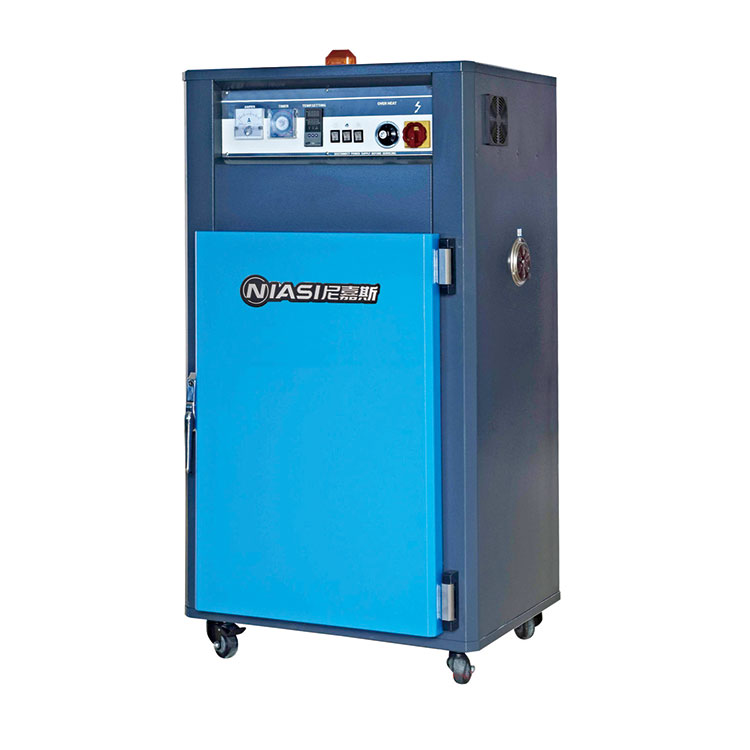
Table of Contents
- What is a Cabinet Dryer?
- How Does a Cabinet Dryer Work?
- Key Benefits of Using Cabinet Dryers
- Applications Across Industries
- How to Select the Right Cabinet Dryer
- Maintenance Tips for Longevity
- Frequently Asked Questions
- Contact Niasi Factory
What is a Cabinet Dryer?
A cabinet dryer is a type of industrial drying equipment designed for batch processing of materials, components, or products that require controlled temperature and airflow for uniform drying. Unlike conveyor or tunnel dryers, cabinet dryers are compact, enclosed units that provide precise environmental conditions, making them ideal for sensitive materials.
- Structure: Typically features insulated walls, a controllable heating system, and multiple shelves or trays for loading materials.
- Operation: Materials are loaded onto trays inside the cabinet, heated air circulates evenly, and moisture is removed gradually.
- Material Compatibility: Can handle plastics, electronics, pharmaceuticals, food products, and more.
How Does a Cabinet Dryer Work?
The cabinet dryer operates on a simple principle of controlled heat and airflow. Here’s a step-by-step breakdown:
- Loading: Place materials evenly on trays inside the cabinet.
- Heating: Electrical or gas heaters raise the air temperature within the chamber to the desired level.
- Air Circulation: Fans ensure uniform airflow around each tray, preventing hotspots and uneven drying.
- Moisture Removal: Warm air absorbs moisture, which is vented out of the cabinet, maintaining optimal humidity.
- Monitoring: Temperature and humidity sensors allow operators to adjust parameters for optimal drying performance.
Advanced models may include digital controllers, timers, and alarm systems for precise and automated operation.
Key Benefits of Using Cabinet Dryers
Cabinet dryers offer multiple advantages over traditional drying methods:
| Benefit | Description |
|---|---|
| Uniform Drying | Even distribution of heat ensures all materials are dried consistently without damage. |
| Energy Efficiency | Enclosed design minimizes heat loss, reducing energy consumption. |
| Versatility | Suitable for various industries including electronics, food, pharmaceuticals, and plastics. |
| Compact Design | Space-saving design fits easily in workshops and production lines. |
| Reduced Contamination | Enclosed drying environment protects materials from dust and airborne particles. |
Applications Across Industries
Cabinet dryers are used extensively in industries where moisture control is critical:
- Pharmaceuticals: Drying sensitive chemicals, powders, and tablets without altering properties.
- Electronics: Removing moisture from circuit boards, components, and connectors.
- Food Industry: Drying herbs, grains, and other consumables to prevent spoilage.
- Plastics: Drying resins and molded products to maintain dimensional stability.
How to Select the Right Cabinet Dryer
Selecting the right cabinet dryer depends on multiple factors. Consider the following:
- Capacity: Determine the batch size and volume of materials to be dried.
- Temperature Range: Ensure the dryer can reach and maintain the required temperature for your materials.
- Airflow System: Check for uniform airflow design to prevent uneven drying.
- Material Sensitivity: Choose models with precise control for heat-sensitive or delicate products.
- Energy Source: Options include electric, gas, or steam; select based on operational cost and availability.
For reliable solutions, Niasi Factory offers a wide range of cabinet dryers suitable for diverse industrial applications. You can explore their products at Niasi Factory Cabinet Dryers.
Maintenance Tips for Longevity
Proper maintenance ensures optimal performance and extends the life of your cabinet dryer:
- Regularly clean trays and interior surfaces to prevent buildup.
- Inspect fans and heating elements for wear and tear.
- Calibrate temperature and humidity sensors periodically.
- Ensure ventilation ducts are clear and unobstructed.
- Follow manufacturer guidelines for scheduled servicing.
Frequently Asked Questions
Q1: Can a cabinet dryer be used for both liquids and solids?
A: Cabinet dryers are mainly designed for solids, powders, and semi-solids. Liquids typically require spray dryers or other specialized equipment.
Q2: How long does a typical drying cycle take?
A: Drying time varies based on material type, thickness, and moisture content. Most cycles range from 1 to 8 hours.
Q3: Are cabinet dryers energy efficient?
A: Yes, their insulated, enclosed design reduces heat loss, which conserves energy compared to open-air drying methods.
Q4: Can I control humidity inside the cabinet?
A: Advanced models allow precise control of both temperature and humidity to suit sensitive materials.
Contact Niasi Factory
If you’re looking to improve your production efficiency and maintain high-quality standards, Niasi Factory’s cabinet dryers offer reliable, energy-efficient solutions tailored to your industrial needs. Visit our product page or contact us today to discuss your specific requirements and receive a customized quote.