Modern commercial buildings require cooling systems that are powerful, energy-efficient, space-saving, and visually clean. A Cassette Air Conditioner is designed to meet these demands by delivering uniform airflow, quiet operation, and flexible installation for offices, hotels, retail stores, restaurants, meeting rooms, and other commercial spaces.
In this guide, you will learn how cassette air conditioners work, their major advantages, installation considerations, maintenance tips, and how to choose the right system for your business environment.
1. What Is a Cassette Air Conditioner?
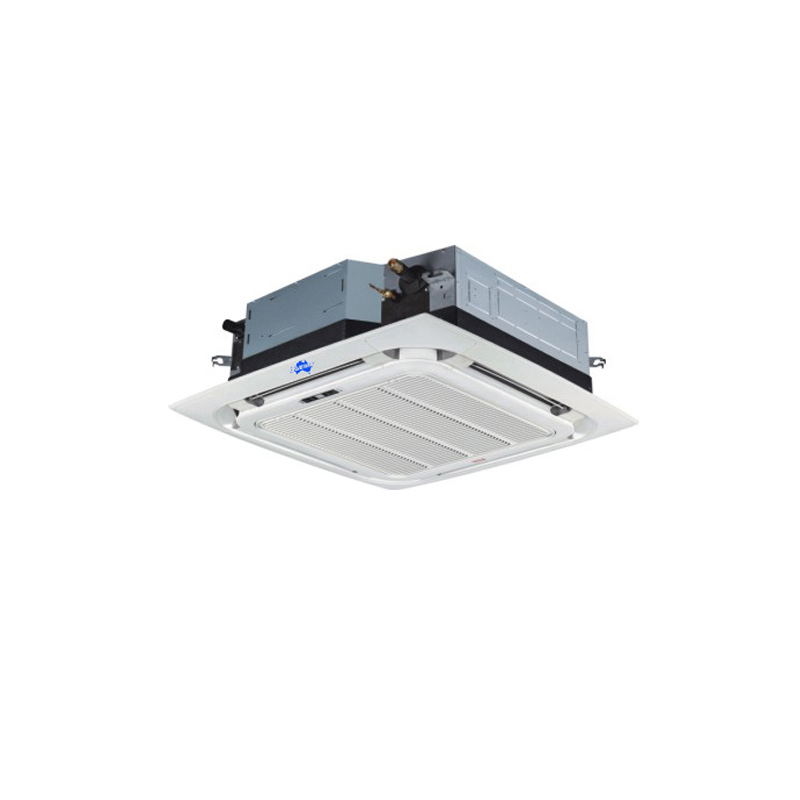
A cassette air conditioner is a ceiling-mounted HVAC system commonly installed in suspended or false ceilings. Unlike wall-mounted units, the indoor unit is embedded into the ceiling, leaving only the decorative panel visible.
The system distributes conditioned air in multiple directions, creating balanced airflow throughout the room. Because of its discreet appearance and efficient cooling coverage, cassette AC systems are highly popular in commercial and large residential spaces.
Many businesses prefer cassette systems because they maximize floor and wall space while maintaining a professional interior design.
Main Components:
-
Indoor ceiling cassette unit
-
Outdoor condenser unit
-
Refrigerant piping
-
Drainage system
-
Remote or smart controller
2. How Does a Cassette Air Conditioner Work?
A cassette air conditioner works by drawing warm indoor air into the unit, cooling it through refrigerant circulation, and redistributing the cooled air evenly across the room.
Most cassette systems feature four-way airflow technology, which helps eliminate hot spots and improves temperature consistency. The ceiling position allows cool air to naturally descend and spread more efficiently than many traditional systems.
The indoor unit connects to an outdoor compressor through refrigerant lines. Heat absorbed from the indoor environment is transferred outdoors, while the indoor unit continuously circulates fresh cooled air.
|
Process
|
Function
|
|
Air Intake
|
Warm air is pulled into the cassette unit
|
|
Cooling Cycle
|
Refrigerant absorbs indoor heat
|
|
Air Distribution
|
Cool air is supplied in multiple directions
|
|
Heat Rejection
|
Outdoor unit releases heat outside
|
3. Key Benefits of Cassette Air Conditioners
Cassette air conditioners provide several important advantages for commercial users and property owners.
Uniform Airflow
Four-way airflow ensures even cooling distribution throughout the room.
Space Saving
Ceiling installation preserves valuable wall and floor space for furniture and equipment.
Low Noise
Modern cassette systems operate quietly, making them suitable for offices and conference rooms.
Elegant Appearance
Only the decorative panel is visible, creating a clean and modern interior look.
Advanced systems also include inverter technology, smart temperature controls, energy-saving modes, and air purification functions.
4. Best Applications for Cassette AC Systems
Cassette air conditioners are widely used in environments that require efficient cooling and attractive interior design.
-
Corporate offices
-
Retail stores
-
Restaurants and cafes
-
Hotels and hospitality projects
-
Meeting rooms
-
Hospitals and clinics
-
Educational facilities
-
Luxury residential properties
Because they provide wide airflow coverage, cassette units are particularly effective in medium to large open spaces.
5. Cassette AC vs Other Air Conditioning Systems
|
Feature
|
Cassette AC
|
Wall Mounted AC
|
Ducted System
|
|
Installation
|
Ceiling recessed
|
Wall mounted
|
Hidden ductwork
|
|
Air Distribution
|
4-way airflow
|
Single direction
|
Centralized
|
|
Visual Appearance
|
Minimal visible area
|
Visible wall unit
|
Nearly invisible
|
|
Maintenance
|
Moderate
|
Easy
|
Complex
|
|
Ideal Use
|
Commercial spaces
|
Small rooms
|
Large buildings
|
6. Installation Considerations
Before installing a cassette air conditioner, several important factors should be evaluated to ensure optimal performance.
-
Ceiling height and available ceiling cavity space
-
Room size and cooling load calculation
-
Drainage pipe accessibility
-
Electrical supply compatibility
-
Airflow direction requirements
-
Routine maintenance access
Professional installation is highly recommended because improper refrigerant charging, drainage setup, or airflow positioning can reduce efficiency and shorten equipment lifespan.
7. Maintenance Tips
Routine maintenance helps maintain cooling efficiency, improve indoor air quality, and reduce unexpected downtime.
-
Clean or replace air filters regularly
-
Inspect refrigerant levels
-
Check drainage pipes for blockage
-
Clean evaporator and condenser coils
-
Test remote control and thermostat accuracy
-
Schedule annual professional inspections
Businesses that operate cooling systems continuously should establish a preventive maintenance schedule to avoid costly repairs and operational disruptions.
8. How to Choose the Right Cassette Air Conditioner
Choosing the correct cassette AC system depends on several technical and operational requirements.
|
Factor
|
Recommendation
|
|
Cooling Capacity
|
Match system size to room dimensions
|
|
Energy Efficiency
|
Choose inverter-based technology
|
|
Noise Level
|
Select low-noise indoor units
|
|
Airflow Coverage
|
Ensure proper airflow angle and reach
|
|
Smart Features
|
Consider WiFi and centralized controls
|
Reliable manufacturers such as Blueway provide advanced cassette air conditioning solutions designed for commercial efficiency, durability, and long-term operational stability.
You can learn more about Blueway cassette cooling solutions here: https://www.blueway-e.com/cassette-air-conditioner.html
9. Frequently Asked Questions
Are cassette air conditioners energy efficient?
Yes. Modern inverter cassette systems are designed to reduce energy consumption while maintaining stable indoor temperatures.
Can cassette AC units provide heating?
Many models offer both cooling and heating functions, making them suitable for year-round climate control.
Do cassette air conditioners require false ceilings?
Yes. Most cassette units are installed within suspended ceiling spaces to conceal the indoor components.
How long does a cassette air conditioner last?
With proper maintenance and professional servicing, a high-quality cassette air conditioner can operate efficiently for many years.
Conclusion
A cassette air conditioner is an excellent solution for commercial and modern residential environments that require powerful cooling, elegant aesthetics, quiet performance, and efficient airflow distribution. By understanding installation requirements, maintenance practices, and system sizing, businesses can maximize long-term performance and energy savings.
As an experienced HVAC manufacturer, Blueway provides reliable and advanced cassette air conditioning systems designed to meet the needs of modern buildings worldwide. If you are looking for high-performance cooling solutions for your next project, contact us today to explore customized HVAC options and professional support.