

How Does a Chiller Unit Improve Cooling Efficiency and Industrial Performance?
2026-07-29
Article Summary
A reliable cooling system is essential for maintaining stable temperatures, protecting equipment, improving production efficiency, and reducing operational costs. A Chiller Unit provides precise temperature control by removing heat from industrial processes, commercial facilities, and specialized applications. This article explains how Chiller Units work, why businesses need them, the key factors affecting performance, and how to select the right cooling solution. With professional experience in cooling technology, Lynxcool provides advanced Chiller Unit solutions designed to meet different industrial requirements and help customers achieve reliable long-term operation.
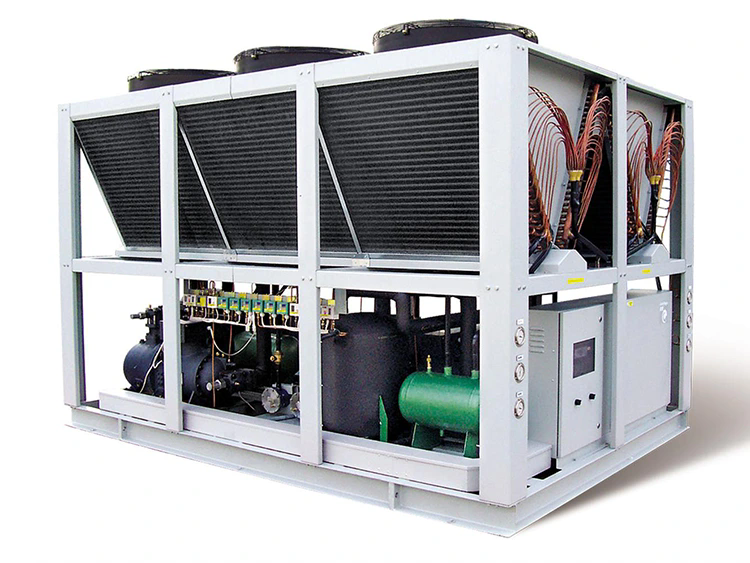
Table of Contents
- Article Outline
- What Is a Chiller Unit?
- How Does a Chiller Unit Work?
- Why Is a Chiller Unit Important for Modern Industries?
- Common Types of Chiller Units
- How to Select the Right Chiller Unit?
- Benefits of Choosing a Professional Chiller Unit Solution
- Maintenance Tips for Better Chiller Unit Performance
- Frequently Asked Questions
- Contact Lynxcool for Cooling Solutions
Article Outline
- Understanding the basic function and purpose of a Chiller Unit
- Exploring the working principles behind efficient cooling systems
- Analyzing industrial challenges solved by Chiller Units
- Comparing different Chiller Unit types and applications
- Learning how to choose a suitable cooling system
- Improving equipment lifespan through proper maintenance
What Is a Chiller Unit?
A Chiller Unit is a specialized cooling system designed to remove heat from liquids, usually water or a water-based solution, and transfer that heat away from industrial equipment, buildings, or manufacturing processes. Unlike traditional air cooling systems, a Chiller Unit provides accurate temperature control and continuous cooling performance.
Many industries depend on stable cooling conditions. Manufacturing equipment, medical facilities, data centers, food processing plants, and commercial buildings all require effective temperature management. Even small temperature fluctuations can influence product quality, equipment reliability, and production efficiency.
Modern Chiller Units are engineered to provide energy-efficient operation, dependable cooling capacity, and flexible installation options. Lynxcool develops cooling solutions that help businesses maintain stable operating environments while reducing unnecessary energy consumption.
How Does a Chiller Unit Work?
The operating principle of a Chiller Unit is based on heat transfer and refrigeration cycles. The system absorbs unwanted heat from a process or space and releases it through a cooling mechanism. This continuous process allows equipment and environments to remain within the required temperature range.
A typical Chiller Unit includes several important components:
- Compressor: Compresses refrigerant and drives the cooling cycle.
- Evaporator: Absorbs heat from chilled water or process fluid.
- Condenser: Releases collected heat to the surrounding environment.
- Expansion Valve: Controls refrigerant flow and pressure.
- Control System: Monitors operation and adjusts performance automatically.
During operation, the refrigerant absorbs heat inside the evaporator and changes from a low-pressure liquid into a gas. The compressor then increases refrigerant pressure before the condenser releases heat. After passing through the expansion valve, the refrigerant returns to the evaporator and continues the cycle.
This process enables a Chiller Unit to provide consistent cooling even under demanding working conditions.
Why Is a Chiller Unit Important for Modern Industries?
Industrial processes often generate significant amounts of heat. Without effective cooling management, excessive temperatures may cause equipment failure, production interruptions, and increased maintenance expenses.
A Chiller Unit helps solve several common customer challenges:
- Maintaining Product Quality: Stable temperatures help prevent defects caused by overheating during manufacturing.
- Protecting Equipment: Continuous cooling reduces thermal stress and extends machinery service life.
- Improving Production Efficiency: Reliable temperature control supports uninterrupted operation.
- Reducing Energy Costs: Efficient cooling technologies help optimize electricity consumption.
- Creating Comfortable Environments: Commercial applications benefit from precise indoor climate control.
For industries where temperature accuracy is critical, selecting a suitable Chiller Unit can directly influence operational stability and long-term profitability.
Common Types of Chiller Units
Different applications require different cooling methods. Understanding the major Chiller Unit categories helps businesses choose the most suitable option.
| Chiller Type | Working Characteristics | Typical Applications |
|---|---|---|
| Air-Cooled Chiller | Uses air circulation to remove heat without requiring cooling towers. | Commercial buildings, small and medium industrial facilities |
| Water-Cooled Chiller | Uses water circulation and cooling towers for efficient heat rejection. | Large factories, high-capacity cooling systems |
| Industrial Process Chiller | Designed for precise temperature control in production environments. | Plastic processing, electronics, machinery manufacturing |
| Scroll Chiller | Provides stable operation with lower vibration and noise. | Medical, laboratory, and commercial applications |
How to Select the Right Chiller Unit?
Choosing the correct Chiller Unit requires careful consideration of operating conditions, cooling requirements, and future expansion plans. An unsuitable system may lead to inefficient operation and unnecessary expenses.
Important factors include:
- Cooling Capacity: The unit should provide sufficient cooling output for the specific application.
- Operating Environment: Temperature, humidity, and installation location affect system performance.
- Energy Efficiency: High-efficiency models can reduce long-term operating costs.
- Maintenance Requirements: Easy servicing improves reliability and reduces downtime.
- System Compatibility: The Chiller Unit should integrate smoothly with existing equipment.
Professional manufacturers can evaluate customer requirements and recommend customized cooling solutions. Lynxcool focuses on providing practical Chiller Unit designs based on different industries and application conditions.
Benefits of Choosing a Professional Chiller Unit Solution
A high-quality Chiller Unit delivers more than basic cooling. It provides operational advantages that support business growth.
- Stable Temperature Control: Maintains consistent operating conditions for sensitive processes.
- Reliable Performance: Professional designs reduce unexpected failures.
- Lower Operating Expenses: Efficient components help reduce energy consumption.
- Long Service Life: Durable construction improves equipment investment value.
- Flexible Applications: Suitable for various industries with different cooling needs.
Maintenance Tips for Better Chiller Unit Performance
Proper maintenance is essential for keeping a Chiller Unit operating efficiently. Regular inspections help identify potential issues before they become expensive failures.
- Check refrigerant levels regularly to ensure proper cooling performance.
- Clean heat exchangers to maintain effective heat transfer.
- Inspect electrical components and control systems.
- Monitor operating temperatures and pressure conditions.
- Schedule professional servicing according to usage conditions.
A preventive maintenance program can significantly improve reliability and extend the lifespan of cooling equipment.
Frequently Asked Questions
Q1: What industries use Chiller Units?
Chiller Units are widely used in manufacturing, food processing, healthcare, electronics, data centers, laboratories, and commercial buildings where accurate cooling is required.
Q2: How long can a Chiller Unit operate?
With proper installation and maintenance, a quality Chiller Unit can provide reliable service for many years. Regular inspection helps maximize operating life.
Q3: What is the difference between an air-cooled and water-cooled Chiller Unit?
Air-cooled models remove heat through air circulation, while water-cooled models use water systems for heat rejection. The best choice depends on installation conditions and cooling requirements.
Q4: Why is professional Chiller Unit selection important?
Every application has different cooling demands. Professional selection ensures the system matches actual operating conditions, improving efficiency and reliability.
Contact Lynxcool for Cooling Solutions
A dependable Chiller Unit is the foundation of efficient temperature management. Whether you need cooling support for industrial production, commercial facilities, or specialized applications, Lynxcool provides professional solutions designed for stable performance and long-term value.
If you are looking for a reliable Chiller Unit customized to your project requirements, please contact us today. Lynxcool is ready to provide expert guidance and efficient cooling solutions to help your business achieve better performance.