

How Does a Commercial Air Conditioner Improve Business Efficiency?
2026-06-02
Summary: Commercial air conditioners are vital for maintaining a comfortable, productive, and energy-efficient work environment. This article explores how commercial AC systems work, the types available, key maintenance practices, and strategies to optimize performance while reducing costs.
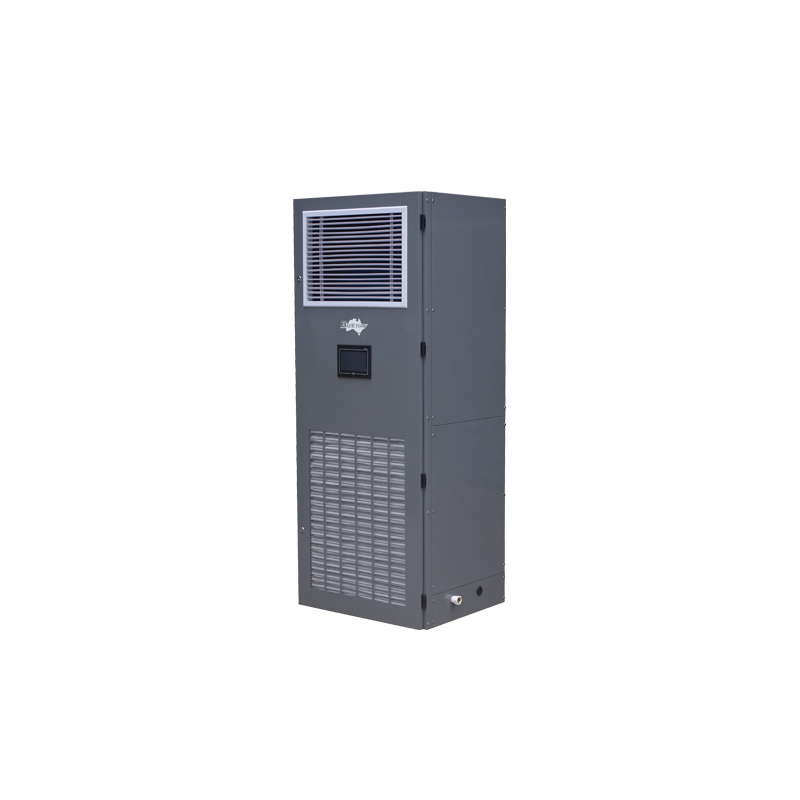
Table of Contents
- Introduction
- Types of Commercial Air Conditioners
- How Commercial Air Conditioners Work
- Key Benefits for Businesses
- Maintenance and Troubleshooting Tips
- Frequently Asked Questions
- Conclusion
Introduction
In modern commercial spaces, maintaining an optimal indoor climate is essential for employee productivity, customer satisfaction, and operational efficiency. Unlike residential units, commercial air conditioners are designed to handle larger spaces, heavier loads, and extended operational hours. Businesses need systems that are reliable, energy-efficient, and capable of consistent performance even under high demand.
Types of Commercial Air Conditioners
Commercial AC systems come in various configurations tailored to specific business needs. Below is a table summarizing common types:
| Type | Ideal For | Key Features |
|---|---|---|
| Rooftop Units (RTU) | Large warehouses, retail stores | High capacity, easy rooftop installation, centralized control |
| Split Systems | Small offices, boutiques | Flexible placement, quiet operation, energy-efficient |
| Chillers | Hospitals, data centers, industrial plants | Large-scale cooling, water-based system, precise temperature control |
| Packaged Units | Medium-sized offices, restaurants | Compact design, self-contained, easy maintenance |
Choosing the right type depends on factors such as building size, energy requirements, and specific climate needs.
How Commercial Air Conditioners Work
Commercial air conditioners operate on the same basic principles as residential systems but are engineered for larger capacities. Key components include:
- Compressor: Pressurizes refrigerant to facilitate heat transfer.
- Condenser: Releases heat from the refrigerant into the outdoor environment.
- Evaporator: Absorbs heat from indoor air to cool the space.
- Air Handling Unit (AHU): Circulates cooled air and maintains indoor air quality.
The cooling process involves the refrigerant absorbing heat from inside the building and releasing it outside, creating a controlled, comfortable environment.
Key Benefits for Businesses
Investing in a high-quality commercial AC system offers several advantages:
- Enhanced Employee Productivity: Comfortable temperatures reduce fatigue and improve concentration.
- Customer Comfort: A cool, well-ventilated environment encourages longer stays in retail or service spaces.
- Energy Efficiency: Modern systems optimize energy use, lowering operational costs.
- Equipment Longevity: Properly maintained AC units protect sensitive electronics and machinery from overheating.
Maintenance and Troubleshooting Tips
Regular maintenance ensures commercial AC systems operate efficiently and last longer. Important practices include:
- Schedule professional inspections at least twice a year.
- Clean or replace air filters monthly to maintain airflow.
- Inspect ducts for leaks or blockages.
- Monitor refrigerant levels and top up as needed.
- Listen for unusual noises indicating potential mechanical issues.
Preventive maintenance can reduce unexpected downtime and costly repairs.
Frequently Asked Questions
Q1: How often should commercial air conditioners be serviced?
A: At least twice a year, ideally before peak summer and winter seasons.
Q2: Can I control a commercial AC remotely?
A: Many modern systems offer smart controls or integration with building management systems.
Q3: How can I reduce energy costs?
A: Use programmable thermostats, schedule maintenance, and upgrade to energy-efficient units.
Q4: What is the typical lifespan of a commercial AC unit?
A: With proper maintenance, units can last 12–20 years depending on usage and model.
Conclusion
Commercial air conditioners are more than just cooling devices—they are strategic tools that enhance comfort, productivity, and efficiency in business environments. By selecting the right system, maintaining it properly, and monitoring performance, businesses can enjoy long-term benefits and reduced operational costs.
For customized solutions and high-performance commercial air conditioning systems, Blueway offers a wide range of options to fit your business needs. Contact us today to learn how we can help optimize your indoor climate efficiently and reliably.