

How Does a Cooled Chiller Improve Industrial Cooling Efficiency?
2026-07-23
Article Summary
A reliable cooling system is essential for modern industrial operations, commercial facilities, and precision manufacturing environments. A Cooled Chiller provides an effective solution by removing excess heat from processes, equipment, and indoor spaces while maintaining stable temperature control. This article explains how a Cooled Chiller works, why businesses choose advanced cooling solutions, how it solves common operational challenges, and what factors should be considered when selecting the right system.
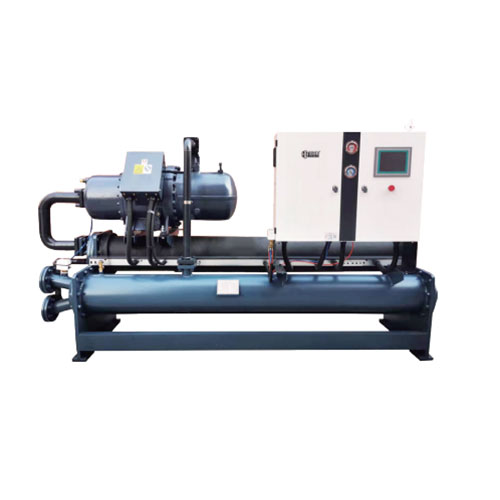
With increasing demands for energy efficiency, production stability, and equipment protection, companies need cooling systems that deliver consistent performance under different working conditions. Sinburller® develops intelligent cooling solutions designed to help customers improve operational reliability, reduce maintenance pressure, and achieve better temperature management.
Table of Contents
- 1. What Is a Cooled Chiller?
- 2. How Does a Cooled Chiller Work?
- 3. What Problems Can a Cooled Chiller Solve?
- 4. Why Choose a Cooled Chiller for Industrial Applications?
- 5. How to Select the Right Cooled Chiller?
- 6. Common Applications of Cooled Chiller Systems
- 7. How to Maintain a Cooled Chiller for Long-Term Performance?
- 8. Frequently Asked Questions About Cooled Chillers
1. What Is a Cooled Chiller?
A Cooled Chiller is an industrial refrigeration device designed to remove heat from liquids and provide controlled cooling for various applications. The system typically uses a refrigeration cycle to absorb heat from a process fluid, lower its temperature, and circulate the cooled liquid back to the equipment that requires temperature control.
Unlike traditional cooling methods that may depend on environmental conditions, a Cooled Chiller provides accurate and stable temperature regulation. This makes it especially valuable in industries where temperature fluctuations can affect product quality, equipment lifespan, or production efficiency.
Modern Cooled Chiller systems combine advanced refrigeration technology, intelligent control systems, and efficient components to provide continuous cooling performance. Sinburller® focuses on developing cooling equipment that meets the requirements of different industrial environments, helping customers achieve reliable thermal management.
A typical Cooled Chiller system includes:
- Compressor: Provides the power required for refrigerant circulation.
- Condenser: Releases heat absorbed during the cooling process.
- Evaporator: Transfers heat from the process fluid to the refrigerant.
- Control system: Monitors operating conditions and adjusts performance automatically.
- Pump and circulation system: Delivers cooled liquid to the application equipment.
2. How Does a Cooled Chiller Work?
Understanding the working principle of a Cooled Chiller helps businesses choose the right cooling solution and improve system efficiency. The cooling process is based on a continuous refrigeration cycle that transfers heat away from the target area.
The working process generally includes four main steps:
-
Step 1: Heat absorption
The evaporator absorbs heat from the circulating fluid. As the refrigerant changes state, it captures thermal energy from the process system. -
Step 2: Refrigerant compression
The compressor increases the pressure and temperature of the refrigerant, preparing it for heat release. -
Step 3: Heat discharge
The condenser removes heat from the refrigerant and releases it into the surrounding environment. -
Step 4: Cooling circulation
The cooled refrigerant returns through the system while chilled liquid continues circulating to maintain the required temperature.
Through this continuous cycle, a Cooled Chiller can maintain stable cooling conditions even when production requirements change. This is particularly important for industries that require precise temperature control and uninterrupted operation.
3. What Problems Can a Cooled Chiller Solve?
Many industrial businesses face challenges related to overheating, unstable production environments, and increasing energy costs. A properly designed Cooled Chiller can address these issues effectively.
-
Prevent Equipment Overheating
Industrial machines generate significant heat during operation. Excessive temperatures can reduce performance and shorten equipment service life. A Cooled Chiller removes unnecessary heat and keeps equipment operating within safe temperature ranges. -
Improve Product Quality
Many manufacturing processes require accurate temperature conditions. Temperature variations may cause defects, material changes, or inconsistent production results. Stable cooling helps maintain product consistency. -
Reduce Production Downtime
Unexpected overheating problems can interrupt operations. A reliable cooling system supports continuous production and reduces the risk of equipment failure. -
Optimize Energy Consumption
Advanced chillers use intelligent control technology to adjust cooling capacity according to actual demand, avoiding unnecessary energy waste.
4. Why Choose a Cooled Chiller for Industrial Applications?
Selecting an appropriate cooling system can directly influence operational efficiency and long-term business costs. A high-quality Cooled Chiller offers multiple advantages.
-
Precise Temperature Control
Cooled Chiller systems provide accurate temperature adjustment, making them suitable for industries requiring strict environmental control. -
Stable Operation
Reliable components and intelligent monitoring systems help maintain consistent performance during extended operation. -
Flexible Application Options
Different cooling capacities and configurations allow businesses to select solutions based on specific requirements. -
Lower Maintenance Requirements
Professional cooling systems are designed for durability, reducing frequent repairs and maintenance interruptions. -
Improved Production Efficiency
Maintaining ideal operating temperatures allows machines and production lines to perform more effectively.
Sinburller® integrates advanced technology and practical engineering experience into Cooled Chiller solutions, helping customers achieve dependable cooling performance for different industrial environments.
5. How to Select the Right Cooled Chiller?
Choosing the correct Cooled Chiller requires careful evaluation of operating conditions, cooling requirements, and future expansion plans. Selecting an unsuitable system may result in insufficient cooling capacity, excessive energy consumption, or unnecessary operating costs.
-
Cooling Capacity
The chiller should provide enough cooling power to handle the heat load generated by the application. -
Operating Environment
Temperature, humidity, installation space, and working conditions should be considered before selecting a model. -
Energy Efficiency
Efficient components and intelligent control functions help reduce electricity consumption over long-term operation. -
System Reliability
A durable structure and quality components are essential for continuous industrial use. -
After-Sales Support
Technical support, maintenance service, and spare parts availability can influence the overall user experience.
6. Common Applications of Cooled Chiller Systems
Cooled Chiller systems are widely used in industries where accurate temperature management is required. Their ability to provide stable cooling makes them suitable for many demanding applications.
- Plastic processing and injection molding
- Food and beverage production
- Pharmaceutical manufacturing
- Laser equipment cooling
- Electronic component manufacturing
- CNC machining and precision processing
- Commercial HVAC systems
- Chemical processing industries
Each application has different cooling requirements. Therefore, customized solutions are often necessary to achieve the best balance between performance and operating cost.
7. How to Maintain a Cooled Chiller for Long-Term Performance?
Regular maintenance is important for keeping a Cooled Chiller operating efficiently. Proper maintenance can improve reliability, prevent unexpected failures, and extend equipment service life.
- Clean condenser and heat exchange components regularly.
- Check refrigerant levels and inspect for possible leaks.
- Monitor operating pressure and temperature parameters.
- Inspect electrical connections and control systems.
- Replace worn components according to maintenance schedules.
- Keep the installation area clean and properly ventilated.
A professional maintenance plan ensures that the cooling system continues delivering stable performance throughout its service life.
8. Frequently Asked Questions About Cooled Chillers
Q1: What is the main purpose of a Cooled Chiller?
A Cooled Chiller removes heat from industrial processes or equipment and provides controlled cooling to maintain stable operating temperatures.
Q2: How long can a Cooled Chiller operate?
With proper installation and regular maintenance, a high-quality Cooled Chiller can provide reliable service for many years.
Q3: Is a Cooled Chiller suitable for manufacturing facilities?
Yes. Cooled Chillers are widely used in manufacturing industries that require precise temperature control and continuous cooling performance.
Q4: How can energy costs be reduced when using a Cooled Chiller?
Choosing an efficient model, maintaining proper operating conditions, and using intelligent control functions can help reduce energy consumption.
Q5: Why choose Sinburller® Cooled Chiller solutions?
Sinburller® provides reliable cooling solutions designed around customer requirements, combining intelligent technology, stable performance, and professional service to support different industrial cooling applications.
Conclusion
A Cooled Chiller plays an important role in modern industrial temperature management by providing accurate, stable, and efficient cooling performance. From protecting equipment and improving product quality to reducing downtime and optimizing energy use, an advanced cooling system can create significant operational value.
Sinburller® continues to develop professional cooling solutions that help businesses overcome thermal management challenges and achieve reliable production performance. If you need a customized Cooled Chiller solution designed for your application requirements, please contact us for professional support and technical assistance.