

How Does a Cylindrical Froth Flotation Cell Improve Mineral Processing Efficiency?
2025-12-09
Cylindrical Froth Flotation Cells are advanced mineral processing machines designed to separate valuable minerals from ores using the froth flotation method. By combining mechanical agitation with air injection, these cells efficiently create a stable froth layer, allowing fine mineral particles to attach to bubbles and rise to the surface for collection. This technology is widely applied in mining industries, including copper, gold, nickel, lead, and zinc extraction, and is increasingly recognized for its ability to enhance recovery rates while reducing energy consumption.
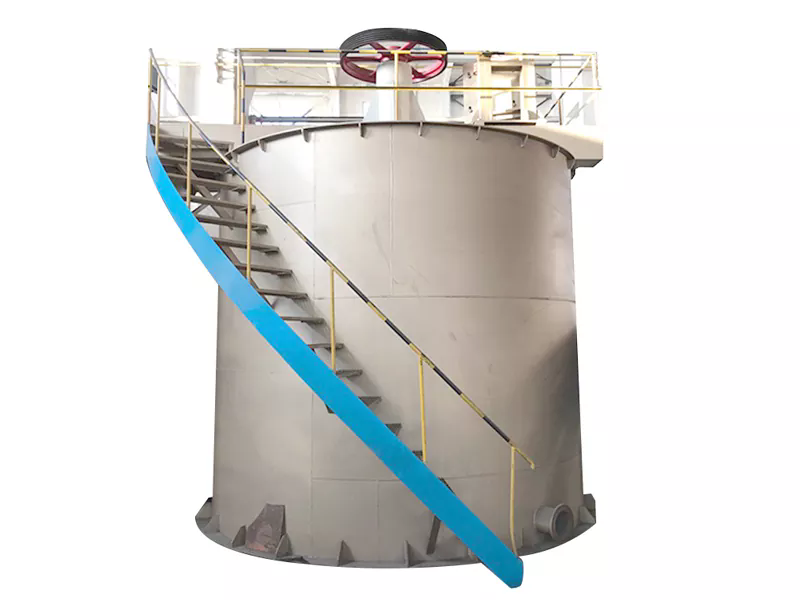
At the core of their design, Cylindrical Froth Flotation Cells integrate a vertical cylindrical tank, a rotating impeller, and an aeration system. This configuration ensures optimal slurry mixing and bubble dispersion, improving the separation process. The cells are available in various capacities and sizes, enabling mining operations to select equipment tailored to throughput requirements and ore characteristics.
The main objective of this article is to provide a comprehensive overview of Cylindrical Froth Flotation Cells, detailing their technical specifications, operational advantages, practical applications, future development trends, and answers to common industry questions.
Key Technical Parameters of Cylindrical Froth Flotation Cells:
| Parameter | Description |
|---|---|
| Cell Type | Cylindrical Mechanical Flotation Cell |
| Tank Volume | 0.5 m³ – 10 m³ |
| Impeller Diameter | 200 mm – 1200 mm |
| Motor Power | 1.5 kW – 37 kW |
| Air Flow Rate | 0.1 – 5 m³/min |
| Rotational Speed | 200 – 1200 RPM |
| Material of Construction | Wear-resistant steel, rubber lining |
| Ore Types | Sulfide, oxide, and mixed ores |
| Recovery Efficiency | Up to 98% depending on ore type |
| Applicable Industries | Mining, metallurgy, chemical processing |
The combination of these parameters ensures that the flotation process is optimized for both fine and coarse mineral particles, providing consistent performance across diverse mineral types.
How Cylindrical Froth Flotation Cells Optimize Mineral Recovery
Cylindrical Froth Flotation Cells are engineered to maximize mineral recovery efficiency through precise control over slurry aeration, impeller rotation, and froth formation. Unlike traditional flotation tanks, the cylindrical design promotes uniform mixing, preventing dead zones and ensuring that all particles have an equal opportunity to attach to air bubbles.
Operational Advantages:
-
Enhanced Recovery Rate: The uniform flow pattern and adjustable aeration parameters allow operators to capture more fine and ultrafine particles, significantly increasing overall mineral recovery.
-
Energy Efficiency: Optimized impeller designs reduce energy consumption while maintaining high bubble dispersion, lowering operational costs.
-
Reduced Wear and Maintenance: Wear-resistant liners and impellers minimize downtime and extend the service life of the equipment.
-
Flexibility in Ore Types: Suitable for sulfide, oxide, and mixed ores, providing versatility for multi-mineral operations.
-
Scalable Design: Available in small pilot-scale to large industrial-scale cells, accommodating varying production capacities.
Applications in Mining and Metallurgy:
Cylindrical Froth Flotation Cells are widely applied in:
-
Copper, lead, zinc, and nickel ore processing
-
Gold recovery operations from sulfide ores
-
Beneficiation of phosphate, potash, and other non-metallic minerals
-
Chemical and metallurgical processes requiring high-purity mineral separation
By ensuring high flotation efficiency, these cells contribute to maximizing production output, minimizing resource waste, and maintaining sustainable mining practices.
How to Operate and Maintain Cylindrical Froth Flotation Cells
Successful operation of Cylindrical Froth Flotation Cells requires a careful balance of mechanical, chemical, and process parameters. Operators must understand slurry properties, reagent dosing, and cell hydraulics to achieve optimal separation.
Step-by-Step Operation Guidelines:
-
Slurry Preparation: Ensure consistent particle size distribution and proper slurry density.
-
Air Injection: Adjust air flow to form fine bubbles that facilitate mineral attachment.
-
Impeller Adjustment: Control rotational speed to optimize mixing without over-grinding.
-
Reagent Addition: Use collectors, frothers, and modifiers according to ore characteristics.
-
Froth Collection: Skim froth at the surface and monitor concentrate grade and recovery.
Maintenance Recommendations:
-
Regular inspection of impellers and liners for wear
-
Cleaning of air distribution systems to prevent blockages
-
Periodic calibration of flow meters and slurry density sensors
-
Replacement of rubber liners or steel plates when significant wear is observed
Common Questions About Cylindrical Froth Flotation Cells:
Q1: What is the ideal particle size range for flotation?
A1: The ideal particle size is typically 20–150 μm. Finer particles may require additional reagents, while coarser particles may settle too quickly, reducing recovery efficiency. Proper grinding before flotation ensures optimal particle liberation.
Q2: How does air flow rate affect flotation performance?
A2: Air flow rate directly influences bubble size and distribution. Too low a flow rate results in insufficient bubble formation, reducing mineral attachment. Excessive air flow can cause turbulence, breaking bubbles and decreasing recovery. Adjusting air flow based on slurry properties is critical.
How Cylindrical Froth Flotation Cells Adapt to Industry Trends
Mining operations are increasingly focused on energy efficiency, sustainability, and automation. Cylindrical Froth Flotation Cells are evolving to meet these demands through innovative design enhancements and smart monitoring technologies.
Future Trends in Froth Flotation Technology:
-
Automation and Process Control: Integration of sensors and AI-assisted control systems enables real-time monitoring of slurry density, froth height, and concentrate grade, reducing human error and improving operational consistency.
-
Energy Optimization: Advanced impeller designs and low-resistance aeration systems reduce energy consumption by up to 20% compared to conventional cells.
-
Eco-Friendly Reagents: Research into biodegradable and less-toxic collectors and frothers helps minimize environmental impact.
-
Modular and Compact Designs: New cylindrical cell models offer easier installation and scalability, catering to smaller mines and retrofitting projects.
By adopting these innovations, mining companies can maintain high mineral recovery while reducing energy costs and environmental impact, aligning operations with global sustainability standards.
Comparison with Traditional Flotation Cells:
-
Cylindrical Design: Promotes uniform flow and higher recovery
-
Conventional Rectangular Cells: Higher likelihood of dead zones and lower efficiency
-
Energy Consumption: Cylindrical cells are generally 10–20% more energy-efficient
-
Maintenance: Wear-resistant materials reduce downtime and operational costs
How Cylindrical Froth Flotation Cells Deliver ROI and Industry Value
Investment in high-performance Cylindrical Froth Flotation Cells provides significant economic and operational benefits. These cells improve recovery rates, reduce energy costs, and extend equipment lifespan, directly impacting the profitability of mining operations.
Key Advantages for Investors and Operators:
-
High concentrate grade and improved tailings management
-
Lower energy consumption and reduced operational costs
-
Scalable solutions for both small and large mining projects
-
Long-lasting construction with wear-resistant materials
Industry Applications Demonstrating Value:
-
Large-scale copper and gold processing plants have reported up to 98% recovery using modern cylindrical flotation cells.
-
Multi-mineral beneficiation projects benefit from the adaptability to different ore types without extensive reconfiguration.
-
Environmentally conscious mining operations leverage lower reagent consumption and reduced tailings volume.
In addition, the brand EPIC has established itself as a leading provider of Cylindrical Froth Flotation Cells, offering customized solutions, high-quality materials, and dedicated technical support. EPIC’s equipment is designed to meet the evolving demands of modern mineral processing, delivering both operational excellence and long-term value.
For further inquiries or detailed product specifications, contact us to explore tailored solutions and professional guidance for optimizing your flotation operations.