Modern industrial automation demands higher precision, faster response speed, lower energy consumption, and stable motion control. A DC Servo Motor has become one of the most important components in manufacturing systems, robotics, CNC equipment, packaging machinery, medical devices, and automated production lines. Businesses looking for accurate positioning and efficient motion control often rely on advanced servo technologies to improve productivity and reduce operational errors.
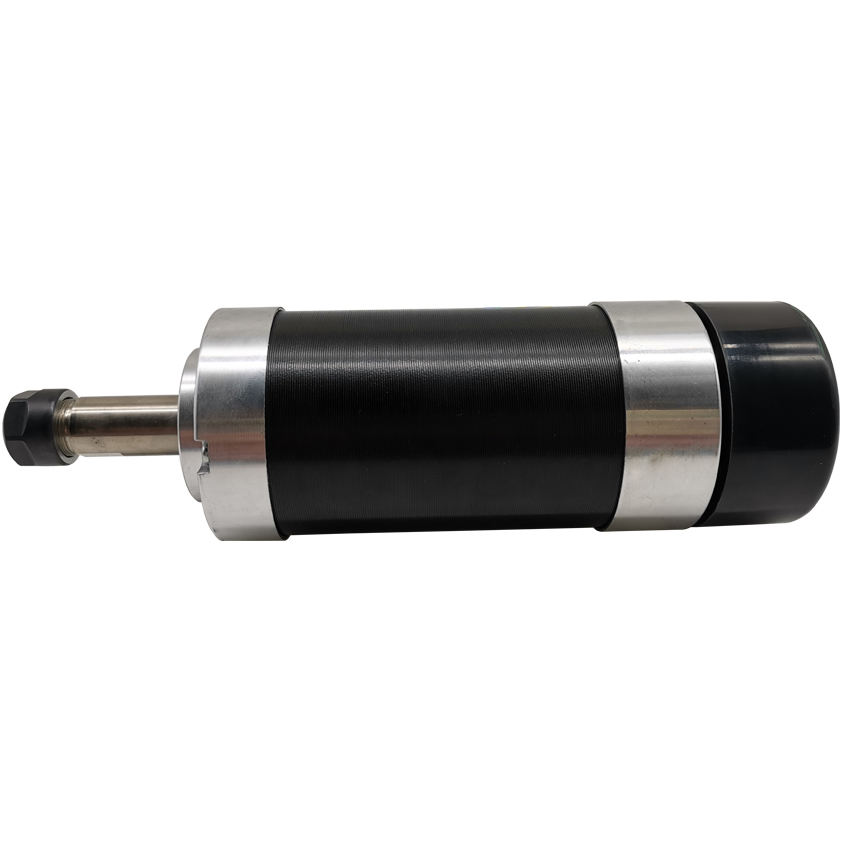
Hongyunteng Intelligent Technology (Xiamen) Co., Ltd. provides reliable and high-performance DC Servo Motor solutions designed for industrial applications requiring precision, durability, and long service life. This article explains how DC servo motors work, their advantages, common applications, and how to choose the right servo motor for your equipment.
Article Summary
This comprehensive guide covers everything you need to know about DC Servo Motor technology, including:
-
What a DC Servo Motor is
-
How servo motors operate
-
Main advantages of servo systems
-
Industrial applications and benefits
-
Comparison between servo motors and conventional motors
-
Key factors when selecting a servo motor
-
Maintenance recommendations
-
Frequently asked questions from buyers and engineers
What Is a DC Servo Motor?
A DC Servo Motor is a closed-loop motor system designed to provide accurate control of angular position, speed, and acceleration. Unlike ordinary DC motors, servo motors continuously receive feedback from sensors such as encoders or resolvers. This feedback allows the controller to adjust motor movement with extremely high precision.
Servo systems are widely used in applications where exact positioning and smooth motion are essential. These motors can rapidly start, stop, reverse, and maintain torque even under varying loads.
The main components of a DC Servo Motor system include:
-
DC motor
-
Servo drive/controller
-
Feedback encoder or resolver
-
Power supply
-
Control system interface
Because of their precision and responsiveness, DC servo motors are commonly integrated into modern automation systems.
How Does a DC Servo Motor Work?
A DC Servo Motor operates through a closed-loop control mechanism. The controller sends commands to the motor, and the feedback device continuously measures the motor’s actual position or speed. The system then compares the actual output with the desired target.
If any difference exists between the target and actual movement, the controller automatically adjusts the motor operation to eliminate the error.
|
Component
|
Function
|
|
Motor
|
Generates rotational movement
|
|
Encoder
|
Measures position and speed
|
|
Controller
|
Processes signals and corrects errors
|
|
Servo Drive
|
Controls voltage and current supplied to the motor
|
This intelligent feedback system allows the motor to achieve highly accurate movement with excellent repeatability.
Advantages of DC Servo Motors
Many industries choose DC Servo Motors because they offer significant operational benefits compared to standard motors.
High Precision
Servo motors provide accurate positioning and speed control, making them ideal for CNC machinery, robotics, and automated systems.
Fast Response
DC servo systems react quickly to command changes, allowing smoother operation and higher production efficiency.
Energy Efficiency
Servo motors consume power according to actual load requirements, helping businesses reduce energy costs.
Low Noise Operation
Modern servo motors operate smoothly with minimal vibration and noise.
For manufacturers seeking improved automation quality and production consistency, servo motor technology offers a reliable solution.
Common Industrial Applications
DC Servo Motors are used across numerous industries because of their excellent motion control capabilities.
|
Industry
|
Application
|
|
Industrial Automation
|
Conveyor systems, assembly lines, packaging equipment
|
|
Robotics
|
Precise robotic arm movement and positioning
|
|
Medical Equipment
|
Surgical systems and diagnostic devices
|
|
CNC Machines
|
Accurate cutting and machining operations
|
|
Printing Machinery
|
Paper feeding and precision movement control
|
|
Textile Equipment
|
Automated fabric handling and stitching systems
|
As automation technologies continue evolving, the demand for reliable servo motor systems continues to increase worldwide.
Servo Motors vs Traditional Motors
Many buyers wonder whether they should choose a servo motor or a conventional motor system. The answer depends on the required level of precision and control.
|
Feature
|
DC Servo Motor
|
Traditional DC Motor
|
|
Precision
|
Very High
|
Limited
|
|
Feedback Control
|
Yes
|
No
|
|
Energy Efficiency
|
High
|
Moderate
|
|
Position Control
|
Excellent
|
Basic
|
|
Response Speed
|
Fast
|
Slower
|
For applications requiring accuracy and intelligent control, servo motors provide significantly better performance.
How to Choose the Right DC Servo Motor
Choosing the correct servo motor is critical for achieving stable and efficient machine performance.
Here are several important factors to consider:
-
Torque Requirements: Determine the load and required force.
-
Speed Range: Evaluate maximum and minimum operating speeds.
-
Positioning Accuracy: Consider encoder resolution requirements.
-
Voltage Compatibility: Match the motor with your control system.
-
Operating Environment: Analyze temperature, humidity, and dust exposure.
-
Duty Cycle: Assess continuous or intermittent operation needs.
-
Installation Space: Confirm mounting dimensions and shaft specifications.
Hongyunteng Intelligent Technology (Xiamen) Co., Ltd. offers customized DC Servo Motor solutions tailored to different industrial applications and performance requirements.
Maintenance Tips for Longer Service Life
Proper maintenance helps maximize servo motor efficiency and minimize downtime.
-
Regularly inspect wiring connections
-
Keep ventilation systems clean
-
Monitor operating temperature
-
Check encoder feedback accuracy
-
Lubricate moving mechanical parts if required
-
Avoid overload conditions
-
Perform scheduled system diagnostics
Routine inspection and preventive maintenance can significantly extend equipment lifespan and reduce unexpected failures.
Frequently Asked Questions
What makes a DC Servo Motor different from a stepper motor?
A DC Servo Motor uses closed-loop feedback for highly accurate control and continuous correction, while stepper motors usually operate in open-loop systems and may lose steps under heavy load conditions.
Can DC Servo Motors improve production efficiency?
Yes. Servo motors provide fast acceleration, precise positioning, and smooth operation, helping improve production speed and reduce errors.
Are DC Servo Motors energy efficient?
Servo systems only consume the energy necessary for the required operation, making them more energy efficient than many conventional motor systems.
Which industries benefit most from servo motor technology?
Industries such as robotics, medical equipment, automation, CNC machining, semiconductor manufacturing, and packaging machinery benefit significantly from servo technology.
Conclusion
DC Servo Motor technology plays a critical role in modern automation systems by delivering high precision, rapid response, stable performance, and improved efficiency. Whether used in robotics, CNC machines, packaging equipment, or advanced industrial systems, servo motors help manufacturers achieve superior control and productivity.
Hongyunteng Intelligent Technology (Xiamen) Co., Ltd. is committed to providing high-quality DC Servo Motor solutions for global industrial customers. With advanced manufacturing capabilities and professional technical support, the company helps businesses improve automation performance and operational reliability.
Looking for a reliable DC Servo Motor supplier for your next automation project? Contact us today to discuss customized motor solutions and discover how our professional team can help optimize your equipment performance and production efficiency.