

How Does a Dirty Water Submersible Pump Work?
2026-04-27
Abstract: Dirty water management is a persistent challenge across construction sites, agriculture, basements, and industrial environments. A Dirty Water Submersible Pump is engineered to handle water mixed with solids, debris, and sludge—conditions where standard pumps fail. This article explores how these pumps operate, what problems they solve, how to choose the right model, and how to maximize performance and lifespan. Whether you're dealing with flooding, wastewater, or drainage, this guide provides actionable insights to help you make informed decisions.
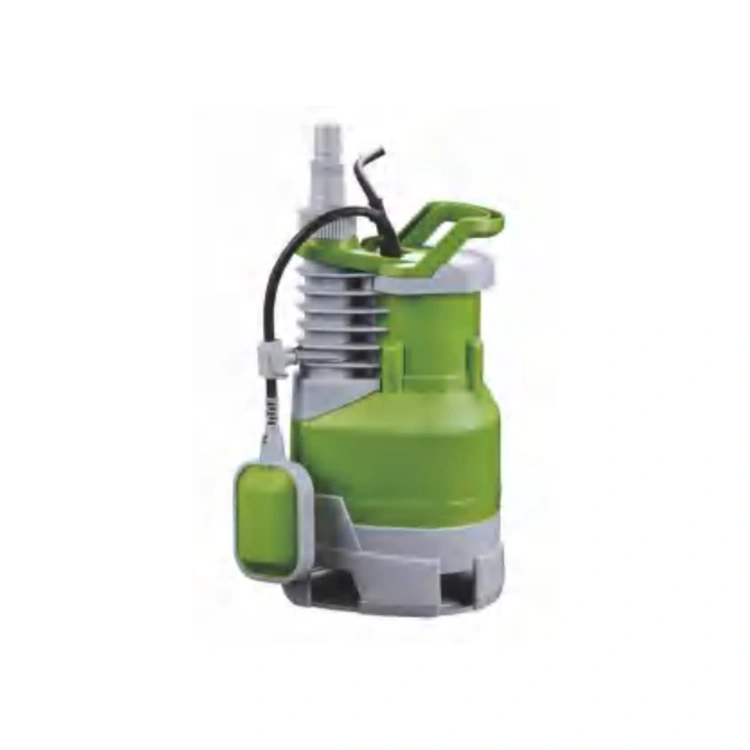
Table of Contents
- 1. Understanding Dirty Water Submersible Pumps
- 2. How the Pump Works
- 3. Common Applications
- 4. Key Benefits
- 5. How to Choose the Right Pump
- 6. Clean vs Dirty Water Pumps
- 7. Maintenance Best Practices
- 8. Common Mistakes to Avoid
- 9. FAQ
1. Understanding Dirty Water Submersible Pumps
A Dirty Water Submersible Pump is specifically designed to operate while fully submerged in water that contains solid particles such as sand, sludge, leaves, or small debris. Unlike clean water pumps, these systems are built with wider passages and durable impellers to prevent clogging and maintain efficient flow.
At Mavito, these pumps are engineered with robust materials such as stainless steel and cast iron to ensure durability in harsh environments. Their sealed motor housing prevents water ingress while maintaining optimal thermal performance.
Key characteristics include:
- High tolerance for suspended solids
- Corrosion-resistant materials
- Efficient motor cooling via surrounding liquid
- Compact, submersible design
2. How the Pump Works
The working principle of a Dirty Water Submersible Pump revolves around direct immersion and centrifugal force.
Step-by-step operation:
- The pump is placed directly into the dirty water source.
- An electric motor drives an impeller inside the pump.
- The rotating impeller creates centrifugal force, pushing water outward.
- Water mixed with debris is drawn into the pump and discharged through an outlet pipe.
Because the pump operates underwater, it eliminates the need for priming and significantly reduces energy loss. This design also minimizes noise and vibration.
Core Components:
- Motor (sealed and waterproof)
- Impeller (vortex or semi-open design)
- Pump casing
- Discharge outlet
- Float switch (optional for automation)
3. Common Applications
Dirty Water Submersible Pumps are widely used across industries due to their versatility:
- Construction site dewatering
- Flooded basement drainage
- Agricultural irrigation with sediment-heavy water
- Wastewater management systems
- Industrial slurry handling
These pumps are particularly valuable in emergency scenarios where rapid water removal is critical.
4. Key Benefits
| Benefit | Description |
|---|---|
| Clog Resistance | Handles solids without frequent blockages |
| Energy Efficiency | Submerged operation reduces energy loss |
| Ease of Use | No priming required |
| Durability | Designed for harsh environments |
| Automatic Operation | Float switch enables hands-free control |
For customers, these benefits translate into lower maintenance costs, improved operational reliability, and reduced downtime.
5. How to Choose the Right Pump
Selecting the right Dirty Water Submersible Pump requires careful consideration of several factors:
- Flow Rate: Determines how quickly water is removed
- Head Height: Maximum vertical pumping distance
- Solid Size Handling: Maximum particle diameter the pump can pass
- Material: Corrosion resistance based on water composition
- Power Source: Electric voltage and capacity
For example, construction environments often require high flow rates and larger solid handling capacity, while residential use may prioritize compact design and ease of installation.
Mavito offers a range of models tailored to these varying needs, ensuring users can find a solution that aligns with their operational requirements.
6. Clean vs Dirty Water Pumps
| Feature | Clean Water Pump | Dirty Water Pump |
|---|---|---|
| Particle Handling | Minimal | High tolerance |
| Impeller Design | Closed | Open/Vortex |
| Applications | Clear water transfer | Wastewater, sludge |
| Clogging Risk | High | Low |
Choosing the wrong type can lead to frequent failures and costly downtime.
7. Maintenance Best Practices
Proper maintenance ensures long-term efficiency and reduces operational risks:
- Inspect the pump regularly for debris buildup
- Clean the intake screen and impeller
- Check electrical connections for wear
- Ensure proper lubrication where applicable
- Test float switch functionality
Routine servicing can extend the pump’s lifespan significantly while maintaining peak performance.
8. Common Mistakes to Avoid
- Using a clean water pump for dirty water applications
- Ignoring maximum solid size specifications
- Operating the pump dry
- Improper installation or incorrect voltage
- Skipping regular maintenance checks
These mistakes can lead to premature failure and unnecessary expenses.
9. FAQ
Q1: Can a dirty water pump handle sand and gravel?
A: Yes, but only up to the specified particle size. Always check product specifications.
Q2: How deep can a submersible pump operate?
A: This depends on the model. Most pumps are designed for specific depth limits based on pressure tolerance.
Q3: Do these pumps require frequent maintenance?
A: Maintenance is minimal but essential for optimal performance.
Q4: Is installation complicated?
A: No. Most units are plug-and-play, especially those with automatic float switches.
Q5: Where can I find a reliable product?
A: You can explore high-quality options from Mavito here: Dirty Water Submersible Pump
Choosing the right Dirty Water Submersible Pump can dramatically improve efficiency and reduce operational headaches. With advanced engineering and durable construction, Mavito provides dependable solutions tailored to real-world challenges.
Looking for a reliable pumping solution? Contact us today to discover how Mavito can support your project with high-performance equipment and expert guidance.