Article Summary
A filling machine plays a critical role in modern manufacturing by improving filling accuracy, reducing material waste, and increasing production efficiency. From food and beverage processing to cosmetics, pharmaceuticals, and chemical industries, companies rely on advanced filling solutions to maintain consistent product quality and meet growing market demands.
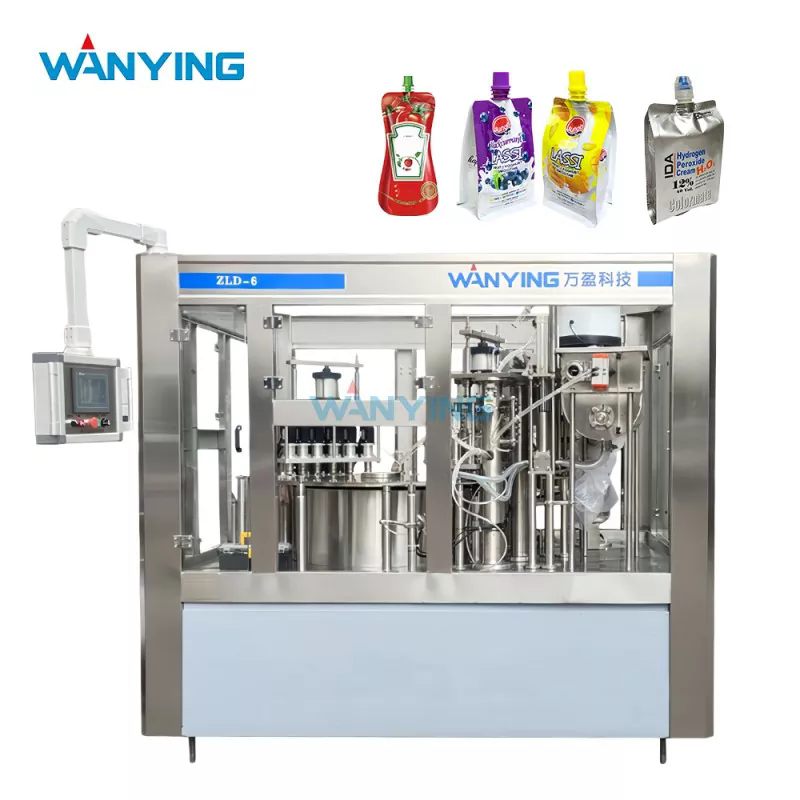
This article explains how a filling machine works, why businesses need automated filling equipment, what challenges manufacturers often face during production, and how choosing the right filling solution can improve operational performance. With professional experience and advanced machinery solutions, Wanying provides reliable filling machines designed to support different production requirements and help customers achieve stable, efficient, and cost-effective filling processes.
1. What Is a Filling Machine?
A filling machine is industrial equipment designed to transfer a specific amount of liquid, paste, powder, or other materials into containers such as bottles, jars, bags, tubes, or cans. It controls the filling volume and speed to ensure every package receives a consistent quantity of product.
In traditional manual filling operations, workers need to measure and fill products individually. This process is time-consuming and may create problems such as inconsistent quantities, increased labor costs, and higher material waste. A filling machine solves these issues by using automated systems that provide accurate and repeatable filling performance.
Modern filling machines combine technologies such as precision pumps, sensors, control systems, and adjustable filling mechanisms. These features allow manufacturers to handle different product characteristics while maintaining high production standards.
2. How Does a Filling Machine Work?
A filling machine operates through several coordinated steps to complete the filling process efficiently. Although different machines may use different technologies, the basic working principle remains similar.
-
Container Positioning: Containers are automatically transferred into the filling area and positioned accurately.
-
Product Measurement: The machine measures the required amount of product through pumps, flow meters, or volumetric systems.
-
Filling Process: The filling nozzle delivers the product into containers according to preset parameters.
-
Quality Control: Sensors monitor filling accuracy and detect possible production problems.
-
Container Output: Finished containers move to the next packaging stage.
The advantage of automated filling technology is that it reduces human error while maintaining stable performance during long production cycles. Manufacturers can adjust filling speed, volume, and operating modes according to different product requirements.
3. Why Is a Filling Machine Important for Modern Manufacturing?
As industries continue to demand faster production and higher quality standards, filling machines have become essential equipment for manufacturers. They provide several important benefits that directly influence business efficiency.
|
Benefit
|
How It Helps Manufacturers
|
|
Higher Filling Accuracy
|
Ensures consistent product quantity and reduces overfilling or underfilling problems.
|
|
Improved Production Speed
|
Allows companies to complete more filling tasks within a shorter period.
|
|
Reduced Labor Costs
|
Automation decreases dependence on manual operation.
|
|
Better Product Quality
|
Stable filling performance improves packaging consistency.
|
|
Lower Material Waste
|
Precise control helps minimize unnecessary product loss.
|
For manufacturers competing in demanding markets, investing in a suitable filling machine is not only about increasing output but also about improving reliability throughout the entire production process.
4. Common Production Challenges Solved by Filling Machines
Many manufacturers experience difficulties when using traditional filling methods. These challenges can affect production efficiency, product appearance, and customer satisfaction.
Inconsistent Filling Volume
Manual filling often causes variations between different packages. Customers expect accurate product quantities, and even small differences can create quality concerns. A filling machine provides precise control to maintain consistent filling results.
High Labor Requirements
Large-scale production requires continuous operation. Depending entirely on workers increases labor pressure and production costs. Automated filling equipment allows businesses to improve productivity with fewer operational limitations.
Product Contamination Risks
Certain industries require strict hygiene control. Filling machines reduce direct human contact with products, helping manufacturers maintain cleaner production environments.
Difficulty Handling Different Products
Different products have different characteristics, including viscosity, flow behavior, and packaging requirements. Flexible filling machines can be adjusted to handle various materials more effectively.
5. Different Types of Filling Machines and Their Applications
Different industries require different filling technologies. Selecting the appropriate machine type depends on product characteristics, container design, and production requirements.
-
Liquid Filling Machine: Suitable for beverages, water, oils, sauces, and other liquid products.
-
Paste Filling Machine: Designed for thicker materials such as creams, gels, and cosmetic products.
-
Powder Filling Machine: Used for powdered products in pharmaceutical, chemical, and food industries.
-
Automatic Filling Machine: Ideal for large-scale production requiring high speed and consistent performance.
-
Semi-Automatic Filling Machine: Suitable for smaller production lines requiring flexibility.
Understanding product requirements helps companies select equipment that matches their production goals and avoids unnecessary investment.
6. How to Choose the Right Filling Machine?
Choosing the correct filling machine requires careful consideration of several factors. A suitable machine should not only meet current production needs but also support future business development.
-
Product Characteristics: Consider viscosity, temperature, particle content, and chemical properties.
-
Production Capacity: Evaluate required filling speed and daily output.
-
Container Type: Ensure compatibility with bottles, jars, bags, or other packaging formats.
-
Automation Level: Choose between manual, semi-automatic, and fully automatic systems.
-
Maintenance Requirements: Select equipment with convenient operation and easy maintenance.
A professional supplier can help manufacturers analyze their production conditions and recommend a practical filling solution.
7. Why Choose Wanying Filling Machine Solutions?
Wanying focuses on providing dependable filling machine solutions designed for modern industrial production. By combining practical engineering experience with advanced manufacturing technology, Wanying helps customers improve filling accuracy, production efficiency, and operational stability.
Wanying understands that every manufacturing project has different requirements. Factors such as product type, filling volume, packaging format, and production speed all influence equipment selection. Therefore, customized solutions can help customers achieve better performance instead of relying on unsuitable standard equipment.
With attention to machine reliability, user-friendly operation, and long-term production value, Wanying filling machines are developed to support businesses looking for efficient and stable packaging processes.
8. Maintenance Tips for Better Machine Performance
Proper maintenance is essential for extending the service life of filling equipment and preventing unexpected production interruptions.
-
Clean filling components regularly to maintain product hygiene.
-
Check pumps, valves, and nozzles for possible wear.
-
Inspect sensors and control systems to ensure accurate operation.
-
Follow recommended maintenance schedules.
-
Replace damaged parts promptly to avoid larger problems.
Regular maintenance improves machine reliability and helps manufacturers maintain stable production quality over time.
9. Frequently Asked Questions About Filling Machines
Q1: What products can a filling machine handle?
A filling machine can handle many types of products, including liquids, creams, pastes, powders, and other materials. The suitable machine type depends on product characteristics and production requirements.
Q2: Can filling machines be customized?
Yes. Many filling machines can be customized according to filling volume, container size, production speed, and specific industry requirements.
Q3: Are automatic filling machines difficult to operate?
Modern automatic filling machines are designed with user-friendly control systems. Operators can learn machine operation through proper training and guidance.
Q4: How can a filling machine reduce production costs?
A filling machine reduces labor requirements, minimizes product waste, improves production speed, and maintains consistent quality, helping companies achieve better cost efficiency.
Q5: Why should manufacturers invest in professional filling equipment?
Professional filling equipment provides better accuracy, reliability, and long-term production benefits compared with manual filling methods.
Conclusion
A filling machine is an important solution for manufacturers seeking higher efficiency, better accuracy, and improved product consistency. By automating the filling process, companies can overcome common production challenges and create a more reliable manufacturing workflow.
Wanying provides advanced filling machine solutions designed to meet different industrial requirements. Whether you need improved production capacity, customized equipment, or reliable filling performance, Wanying can help you achieve your goals. Contact us today to discuss your filling requirements and discover the right solution for your business.