

How Does a Food Grade Lyophilizer Enhance Food Preservation and Safety?
2025-12-31
Abstract: Food Grade Lyophilizers have revolutionized food preservation by providing advanced freeze-drying solutions that maintain nutritional value, extend shelf life, and ensure product safety. This article explores how these machines work, their technical specifications, applications, and addresses common industry questions, offering a professional insight for food manufacturers, laboratories, and research centers.
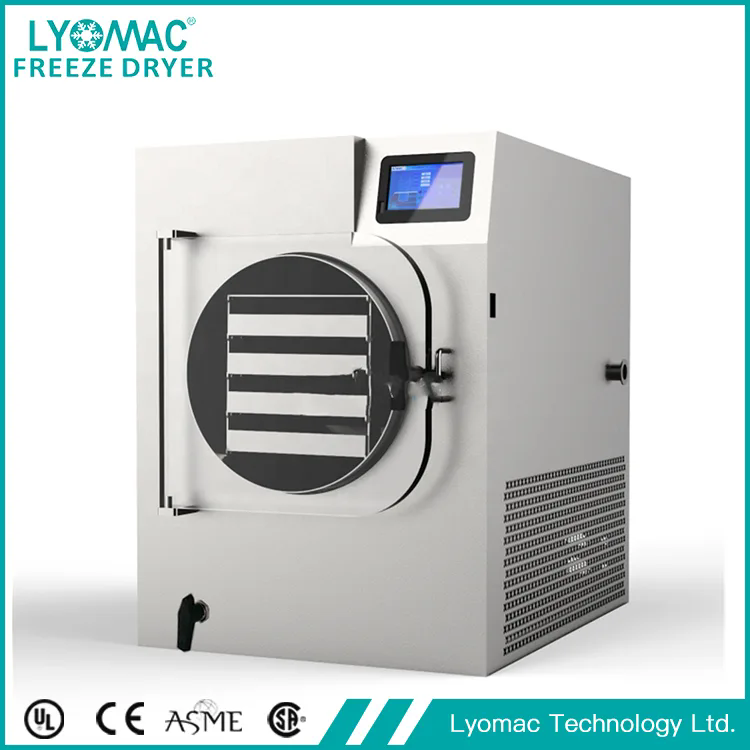
Table of Contents
- Introduction to Food Grade Lyophilizer
- Technical Parameters
- Applications and How to Use
- FAQs About Food Grade Lyophilizer
- Conclusion and Contact Information
1. Introduction to Food Grade Lyophilizer
Food Grade Lyophilizer, also known as a freeze dryer, is a specialized device designed for gentle dehydration of food and pharmaceutical products. By removing moisture through sublimation under low temperature and vacuum conditions, it preserves the original shape, flavor, and nutrients of the products. The primary focus of this article is to provide a detailed understanding of how the Food Grade Lyophilizer operates, its industrial applications, and the best practices for optimal use.
The machine is suitable for vegetables, fruits, dairy, meat, beverages, and bioactive compounds. Its design ensures compliance with food-grade safety standards, making it essential for manufacturers aiming for high-quality freeze-dried products.
2. Technical Parameters
The performance and efficiency of a Food Grade Lyophilizer depend on its technical specifications. Below is a professional summary:
| Parameter | Description |
|---|---|
| Model | FL-1000 |
| Chamber Capacity | 100 Liters |
| Temperature Range | -50°C to +40°C |
| Vacuum Level | 0.001–0.1 mbar |
| Power Supply | 220V / 50Hz, 3kW |
| Material | Stainless Steel 304 food-grade |
| Control System | Digital touch screen, programmable cycles |
| Applications | Fruits, vegetables, meat, dairy, beverages, pharmaceuticals |
3. Applications and How to Use
How does a Food Grade Lyophilizer maintain food quality?
By freeze-drying at low temperature and vacuum, the lyophilizer removes moisture without altering taste, color, or nutrients. It reduces microbial growth and oxidation, ensuring long-term stability.
How can food manufacturers optimize lyophilization cycles?
Optimizing involves adjusting freezing rate, vacuum pressure, and drying temperature based on the type of food. For delicate fruits, slow freezing and low drying temperature maintain texture. For high-moisture products, multiple sublimation stages may be required.
How to integrate a Food Grade Lyophilizer into production workflow?
Integration requires evaluating batch capacity, pre-treatment steps (blanching, slicing), and packaging requirements. The lyophilizer can be connected to automated conveyors for large-scale operations, ensuring efficiency and consistency.
4. FAQs About Food Grade Lyophilizer
Q1: What types of products are suitable for Food Grade Lyophilizer?
A1: Suitable products include fruits, vegetables, meat, dairy, beverages, bioactive compounds, and heat-sensitive pharmaceuticals. The lyophilization process preserves nutritional content and prolongs shelf life.
Q2: How often should the Food Grade Lyophilizer be maintained?
A2: Maintenance should be performed weekly for chamber cleaning and monthly for vacuum pump oil changes. Proper maintenance ensures consistent performance and prevents contamination.
Q3: Can the Food Grade Lyophilizer handle large-scale production?
A3: Yes, models are available for both small batch and industrial-scale production. Batch size depends on chamber capacity and cycle duration, which can be optimized for throughput without compromising quality.
Q4: How energy-efficient is a Food Grade Lyophilizer?
A4: Modern lyophilizers use insulated chambers and programmable cycles to minimize energy consumption. Adjusting drying temperature and vacuum levels according to product type enhances efficiency.
Q5: What safety precautions are necessary when using the lyophilizer?
A5: Users should follow standard operating procedures, wear protective equipment, avoid overloading, and ensure the chamber is properly sealed before starting the cycle.
5. Conclusion and Contact Information
Food Grade Lyophilizers are pivotal in enhancing food preservation, quality, and safety. By understanding their technical parameters, applications, and maintenance requirements, manufacturers can maximize productivity and product integrity. Lyomac Technology Ltd provides advanced Food Grade Lyophilizers tailored for commercial and laboratory needs, ensuring compliance with food safety standards and operational efficiency.
For detailed inquiries, product customization, or purchase information, please contact us.