

How Does a Gravure Printing Machine Deliver High-Quality Industrial Printing?
2026-05-07
Abstract
A gravure printing machine is one of the most advanced and reliable solutions for high-volume, high-precision printing across packaging, labels, decorative films, and industrial materials. This article explains how the system works, what components define its performance, common customer challenges, and how to choose and maintain the right equipment. It is designed to help manufacturers improve print consistency, reduce waste, and optimize production efficiency with practical, real-world insights.
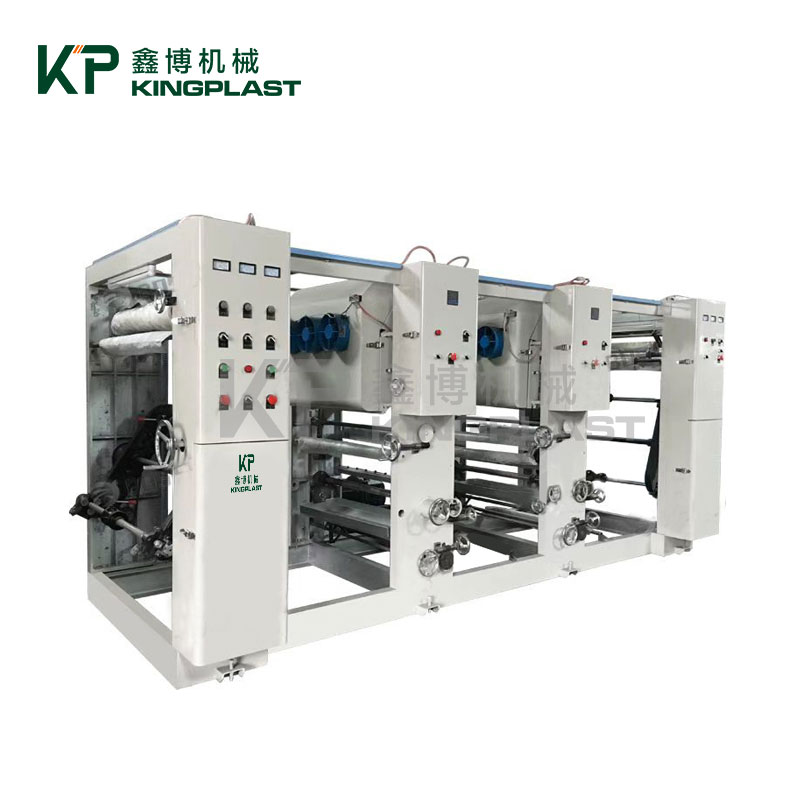
Table of Contents
- 1. Overview of Gravure Printing Machine
- 2. How a Gravure Printing Machine Works
- 3. Key Components Explained
- 4. Core Benefits for Industrial Production
- 5. Common Pain Points and Solutions
- 6. Industrial Applications
- 7. How to Choose the Right Machine
- 8. Maintenance and Operational Tips
- 9. Frequently Asked Questions
- 10. Manufacturer Insight
1. Overview of Gravure Printing Machine
A gravure printing machine is an intaglio-based printing system where the image is engraved onto a cylinder. Ink is transferred from recessed cells directly onto substrates such as plastic film, paper, or foil. This method is widely used in industries requiring long-run consistency and high-resolution output.
Unlike other printing technologies, gravure systems are designed for durability and repeatability, making them ideal for packaging manufacturers handling large-scale production.
2. How a Gravure Printing Machine Works
The working principle relies on engraved cylinders that carry ink in microscopic cells. During operation:
- The cylinder rotates in an ink bath.
- Excess ink is removed by a doctor blade.
- Only ink inside engraved cells remains.
- The substrate passes through pressure rollers, transferring ink precisely.
This process ensures extremely consistent image reproduction, even at high speeds.
3. Key Components Explained
The performance of a gravure printing machine depends on its mechanical and electronic systems. Below is a simplified breakdown:
| Component | Function | Importance |
|---|---|---|
| Engraved Cylinder | Holds ink in etched cells | Determines print resolution |
| Doctor Blade System | Removes excess ink | Ensures clean image transfer |
| Drying Unit | Evaporates solvents quickly | Enables high-speed production |
| Tension Control System | Maintains substrate stability | Prevents misalignment |
4. Core Benefits for Industrial Production
Manufacturers choose gravure printing machines for several critical advantages:
- Exceptional Print Quality: Ideal for fine details and color consistency.
- High-Speed Output: Suitable for continuous long-run production.
- Durability: Cylinders support millions of impressions.
- Cost Efficiency at Scale: Lower cost per unit in large batches.
5. Common Pain Points and Solutions
Despite its advantages, operators often face challenges in production environments:
- Ink Waste: Caused by improper viscosity control. Solution: automated ink monitoring systems.
- Cylinder Wear: Affects image quality over time. Solution: high-grade electroplated cylinders.
- Color Inconsistency: Often due to drying imbalance. Solution: optimized drying airflow systems.
- Setup Time: Initial calibration can be long. Solution: digital registration control systems.
6. Industrial Applications
Gravure printing machines are widely used across multiple industries:
- Flexible packaging for food and beverages
- Plastic film printing
- Decorative laminates
- Labels and stickers
- Industrial wrapping materials
The versatility of gravure systems makes them a backbone technology in global packaging supply chains.
7. How to Choose the Right Machine
When selecting a gravure printing machine, manufacturers should evaluate the following factors:
- Production volume requirements
- Substrate compatibility
- Automation level
- Energy efficiency
- Maintenance accessibility
A well-matched system reduces downtime and improves long-term operational stability.
8. Maintenance and Operational Tips
Proper maintenance ensures consistent performance and extends equipment lifespan:
- Regular cleaning of cylinders and ink systems
- Frequent inspection of doctor blades
- Monitoring tension systems daily
- Scheduled lubrication of mechanical parts
Preventive maintenance is significantly more cost-effective than reactive repairs.
9. Frequently Asked Questions
Q1: What makes gravure printing different from flexographic printing?
Gravure uses engraved cylinders for ink transfer, offering higher detail and consistency compared to flexographic plates.
Q2: Is gravure printing suitable for small production runs?
It is generally more cost-effective for long runs due to higher setup costs.
Q3: How long does a gravure cylinder last?
A high-quality cylinder can last for millions of impressions with proper maintenance.
Q4: Can gravure machines print on all materials?
They are best suited for flexible films, paper, and foil substrates.
10. Manufacturer Insight
Ruian Kingplast Machinery Co.,Ltd. is a professional manufacturer specializing in advanced printing and packaging machinery. With continuous innovation and strict quality control, the company provides gravure printing solutions designed for stability, precision, and long-term industrial performance.
Conclusion
A gravure printing machine remains one of the most reliable solutions for high-volume, high-quality printing demands. Understanding its structure, operational principles, and maintenance requirements helps manufacturers achieve stable production and reduced operational risks. Choosing the right system partner is essential for long-term success.
For professional consultation, technical support, and customized solutions, contact Ruian Kingplast Machinery Co.,Ltd. today and explore how our gravure printing technology can elevate your production capabilities. Contact us now to get started.